Ivrea, industrial city of the 20th century, Industrial heritage site in Ivrea, Italy
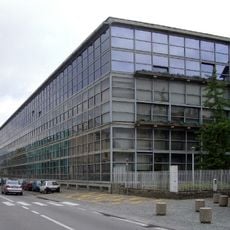
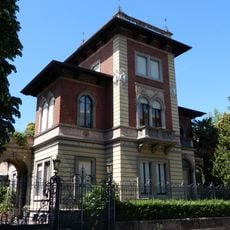
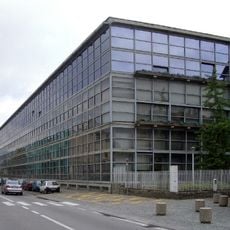
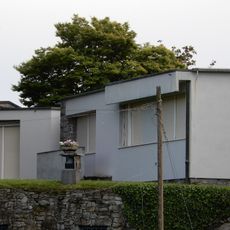
Ivrea, industrial city of the 20th century, is a UNESCO site of 27 buildings and complexes designed mainly between the 1930s and 1960s by Italian architects and planners for the Olivetti company. It comprises the large ICO workshops, office buildings such as the Palazzo Uffici, the Social Services Centre, a nursery, a canteen and recreational club, and housing including Talponia and the managers' houses. Forms, structures and materials are unchanged since construction.
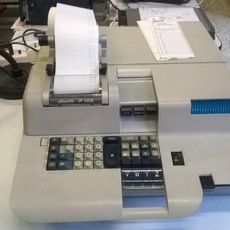
The site was built between the 1930s and 1960s by Adriano Olivetti for his company, which made typewriters, mechanical calculators and office computers. In 2008 the City of Ivrea and the Adriano Olivetti Foundation proposed it for UNESCO listing; it was inscribed on 1 July 2018 as Italy's 54th World Heritage Site, with minor boundary changes in 2021.
The complex was shaped by Adriano Olivetti's Movimento Comunità, which held that industrial production and architecture should serve the community. The Centro dei Servizi Sociali, the nursery and the company canteen with its recreational club were built for workers and their families, not only for production. The site was inscribed by UNESCO on 1 July 2018 as Italy's 54th World Heritage Site.
Visitors should wear comfortable shoes to explore the various areas, as buildings are spread across a large territory. Visiting the nearby information center provides maps and background information that help with orientation.
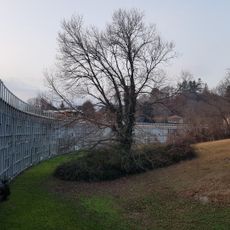
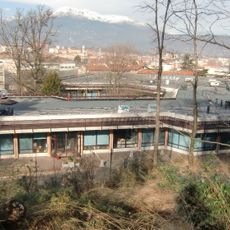
The Talponia residential complex is embedded into a sloped landscape and showcases an unusual underground residential architecture with terraced apartments. This housing project demonstrates innovative solutions for dense settlement on small land areas.
The community of curious travelers
AroundUs brings together thousands of curated places, local tips, and hidden gems, enriched daily by 94,431 contributors worldwide.