Quercia del Tasso, Oak tree on Janiculum Hill, Rome, Italy.
The Quercia del Tasso is an old oak tree on Janiculum Hill in Rome, standing beside a decorative fountain. Stone inscriptions placed near the trunk link the spot to the poet Torquato Tasso, giving it the character of a small literary landmark on the hillside.
The oak is linked to Torquato Tasso, who spent his last months at the nearby convent of Sant'Onofrio and, by tradition, meditated at its foot. In 1843 it was struck by lightning; that same year the English painter Arthur John Strutt depicted it, probably before the strike, and the painting is now in the Museo di Roma at Palazzo Braschi. A fountain designed by Emanuele Cito Filomarino was placed beneath it in 1929, and in 2011 it was further damaged by arson.
Stone inscriptions carved near the tree display verses from Torquato Tasso's epic poem Gerusalemme Liberata, so visitors can read his words right beside the oak. This pairing of a living tree with a literary monument makes the spot a rare meeting point between nature and poetry.
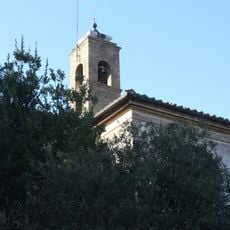
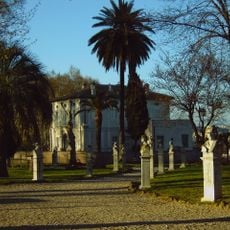
The oak stands beside the convent of Sant'Onofrio on the Janiculum, in Rome's Trastevere district, and is reached on foot along the ridge. The open-air Anfiteatro Quercia del Tasso, created on the initiative of Filippo Neri's oratory, lies nearby. The tree itself is in poor condition and has been damaged by lightning and fire, so visitors view it from outside rather than beneath its crown.
The oak was struck by lightning in 1843, the same year the English painter Arthur John Strutt chose it as the subject of a painting, probably before the strike; the work is now in the Museo di Roma at Palazzo Braschi. Guglielmo Marconi liked to stop beneath the tree and recall Tasso, as his wife Maria Cristina Bezzi-Scali remembered.
The community of curious travelers
AroundUs brings together thousands of curated places, local tips, and hidden gems, enriched daily by 93,109 contributors worldwide.