Jufuku-ji Temple, Buddhist temple in Ōgigayatsu district, Kamakura, Japan
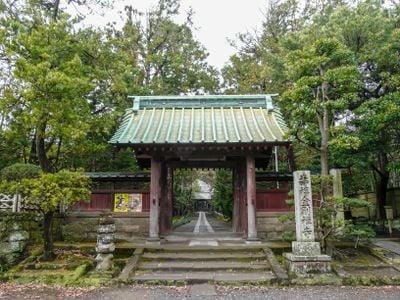
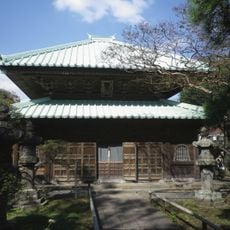
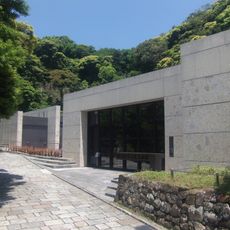
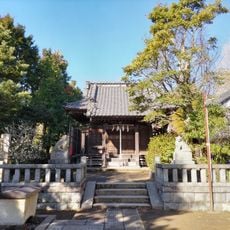
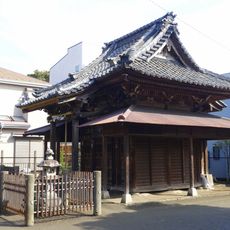
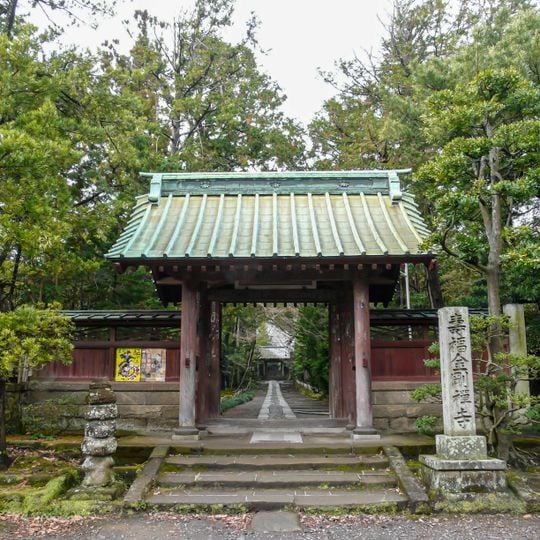
Jufuku-ji is a Buddhist temple in the Ōgigayatsu district of Kamakura and holds the third rank among the five major Zen monasteries of the region. A stone-paved path runs from the entrance gate through a grove of old trees to the middle gate, where visitors usually stop.
Hōjō Masako founded the complex in 1200 together with the monk Eisai on the former residence of Minamoto no Yoshitomo. The temple later became part of a system of five official Zen monasteries that shaped religious life in Kamakura.
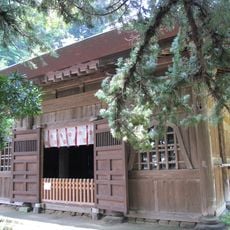
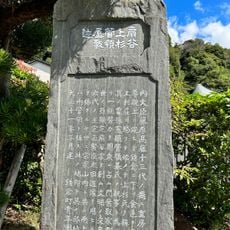
Jufuku-ji is the 24th stop on the Kamakura Thirty-Three Kannon pilgrimage and the 18th on the Kamakura Twenty-Four Jizō route, and its grounds hold a National Important Cultural Property: a Kamakura-period copy of Eisai's Kissa Yōjōki, the oldest surviving manuscript of his treatise on tea and mulberry. The temple also keeps a seated Eisai statue and a bronze Yakushi Nyorai brought from Tsurugaoka Hachimangū in 1872.
The temple is about 15 minutes on foot from the west exit of JR Kamakura Station. The approach from the main gate to the middle gate and the cemetery on the hill behind are open, but the inner grounds beyond the middle gate are not open to the general public.
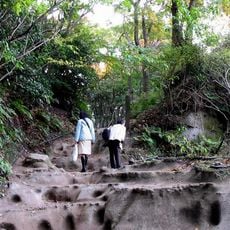
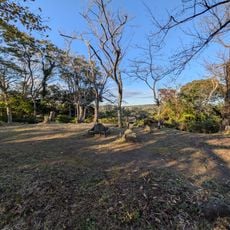
The ashes of Hōjō Masako and Minamoto no Sanetomo are not actually in the two yagura behind the temple; they were placed at Chōshōjū-in, a temple that no longer exists, and are lost. The graves of haiku poet Takahama Kyoshi, novelist Osaragi Jirō and Countess Iso Mutsu (1867–1930) also lie in the cemetery.
The community of curious travelers
AroundUs brings together thousands of curated places, local tips, and hidden gems, enriched daily by 93,311 contributors worldwide.