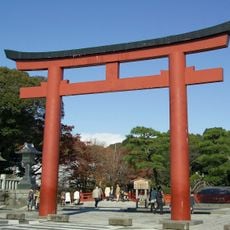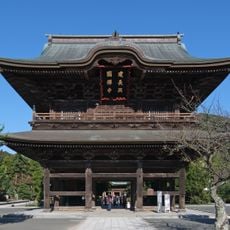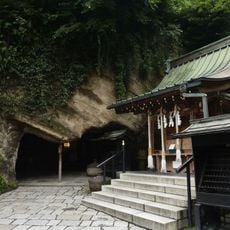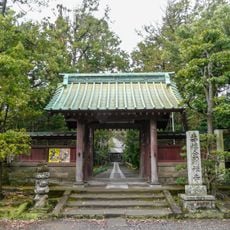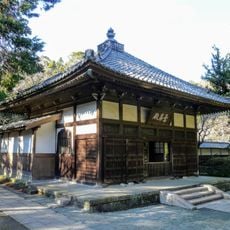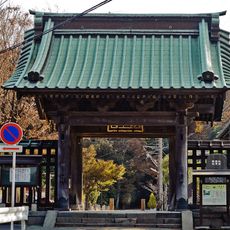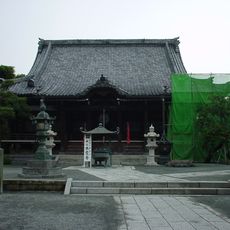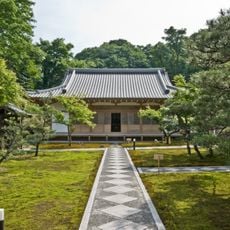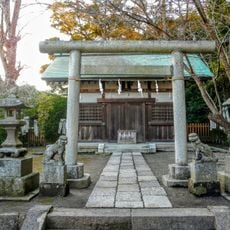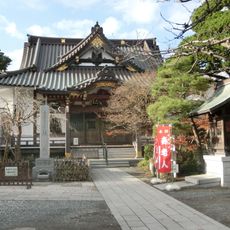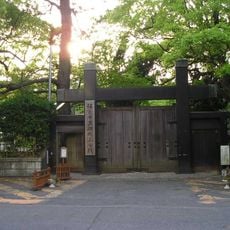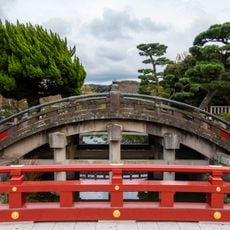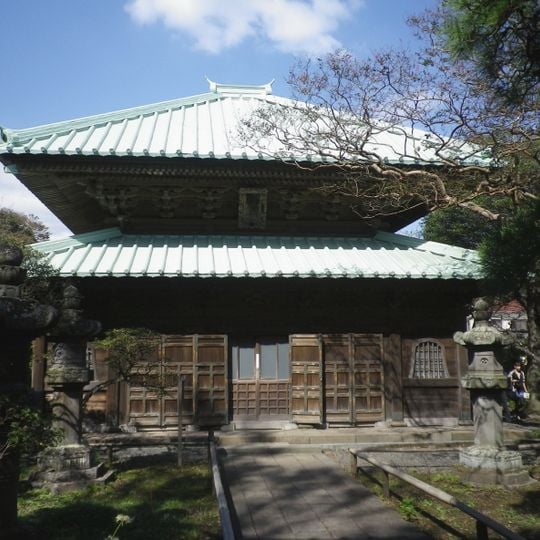
Eishō-ji, Buddhist nunnery in Ōgigayatsu, Kamakura, Japan.
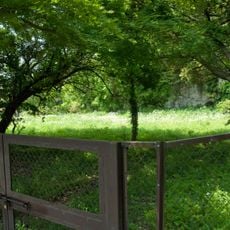
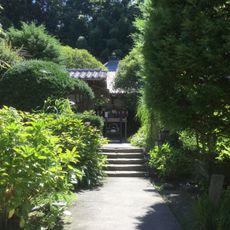
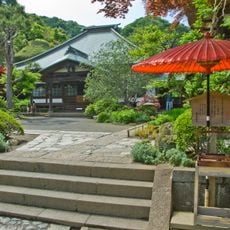
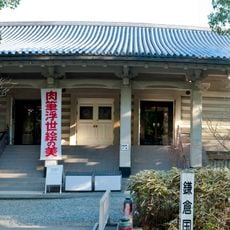
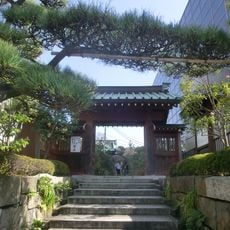
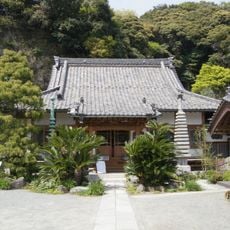
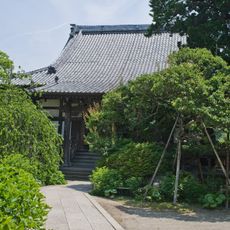
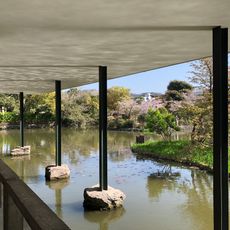
Eishō-ji is a Buddhist nunnery in Ōgigayatsu featuring a main hall, bell tower, gates, and sanctuary buildings spread across spacious grounds. Bamboo groves surround the compound, creating a separated world within the town.
Okaji no Kata, a concubine of Tokugawa Ieyasu, took the name Eishoin after her pabbajja and founded the temple on the site of the residence of Ōta Dōkan, her ancestor. The founding priestess Gyokuhōseiinni was a daughter of Tokugawa Yorifusa, and princesses of Mito Domain regularly became priestesses. After the Meiji Restoration, the practice was discontinued and the temple waned.
The temple's name comes from Eishoin, the Buddhist name taken by Okaji no Kata, a concubine of Tokugawa Ieyasu, after she became a nun. From its founding, daughters of the Mito Tokugawa family served as abbesses, so the temple was called the Mito Palace or the Nunnery of Mito. These abbesses, being noble princesses, never appeared in public; rites were performed by monks from Shiba Zojo-ji or Kamakura's Komyo-ji.
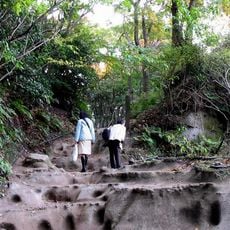
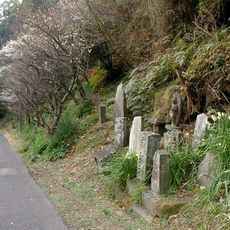
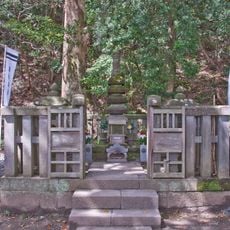
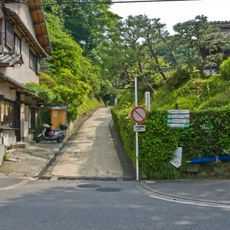
Eishō-ji is reached from Kamakura Station's east exit by Enoden bus N2 or A21 to Kamakura Hachimangū-mae, then six minutes on foot. The temple stands in Ōgigayatsu on the site of Ōta Dōkan's residence. The graves of Abutsu-ni and Ōta Dōkan lie outside the main compound, the latter on the hiking trail toward Genjiyama.
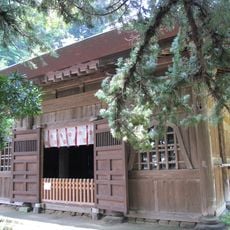
The bell tower, built around 1643, is the only surviving hakamagoshi-style bell tower in early modern Kamakura: its flared skirt gives it the look of a pair of hakama trousers. The bronze bell inside carries an inscription composed by Hayashi Razan in 1643.
The community of curious travelers
AroundUs brings together thousands of curated places, local tips, and hidden gems, enriched daily by 94,797 contributors worldwide.