Tōshō-ji, Buddhist temple ruins in Kamakura, Japan
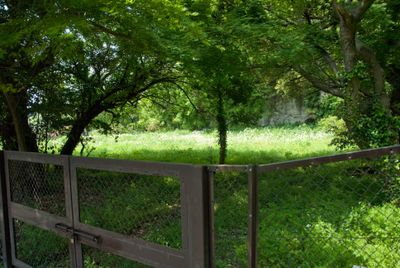
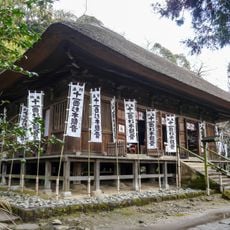
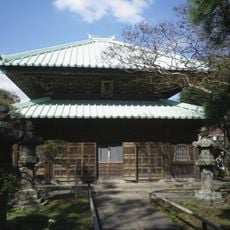
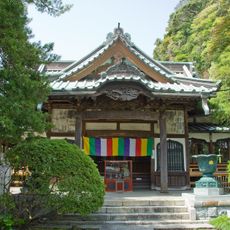
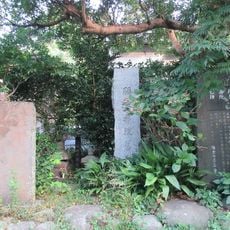
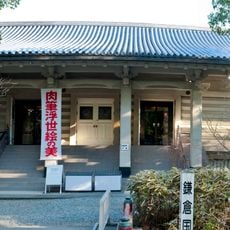
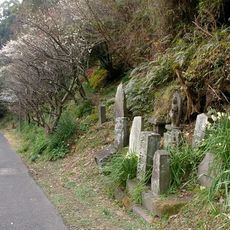
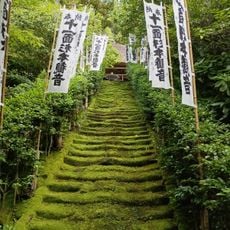
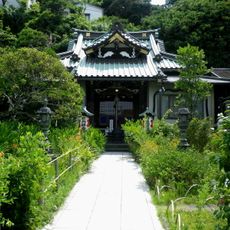
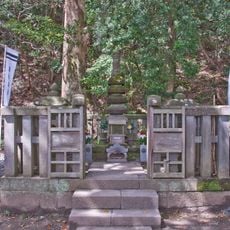
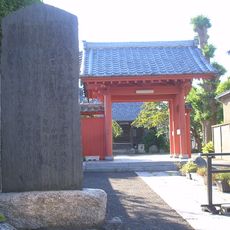
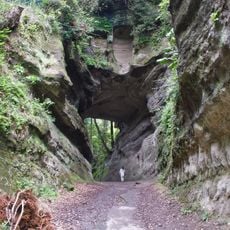
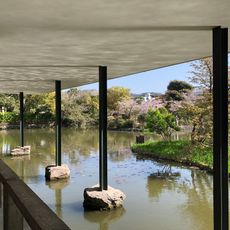
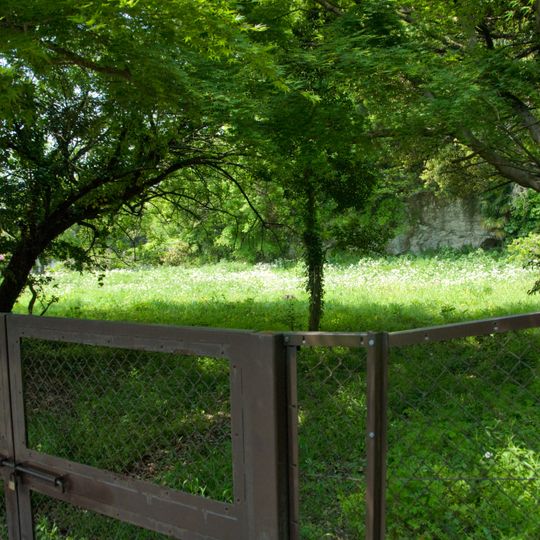
Tōshō-ji is a Buddhist temple site in Kamakura containing stone foundations, walls, and drainage channels built from locally quarried stone. The archaeological remains reveal the temple's original layout and help visitors understand how it once functioned.
The temple was founded as a religious center and served the ruling Hojo family across generations. In 1333, the site witnessed a turning point when the family lost power and the temple was abandoned during the region's political upheaval.
The temple held deep meaning for the Hojo family, who ruled as regents and shaped the region's political life for generations. Today, the site reflects this connection through its layout and the way it remains rooted in local memory.
The site is reachable within a short walk from Kamakura Station or by bus to the Daigaku-mae stop. Wear sturdy shoes since the ground is uneven and can become slippery after rain.
Excavations in 1975 uncovered decorative roof tiles bearing scale patterns that pinpointed the temple's exact location. These finds allowed archaeologists to better understand the original scale and organization of the entire complex.
The community of curious travelers
AroundUs brings together thousands of curated places, local tips, and hidden gems, enriched daily by 60,000 contributors worldwide.