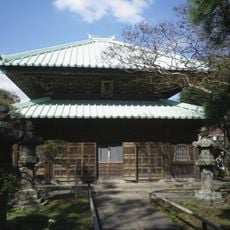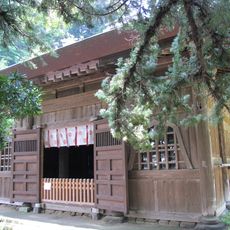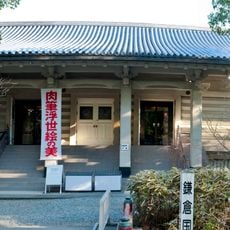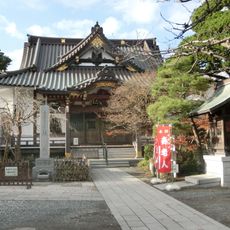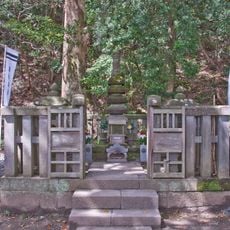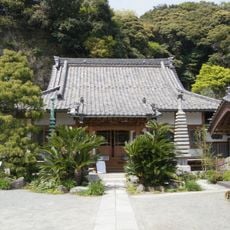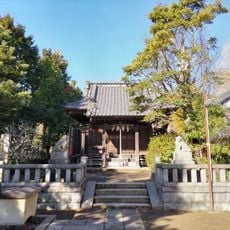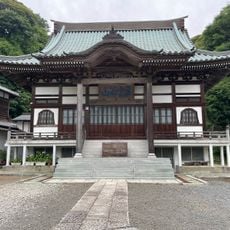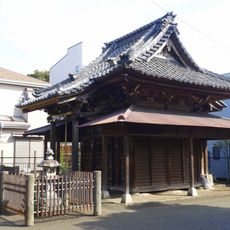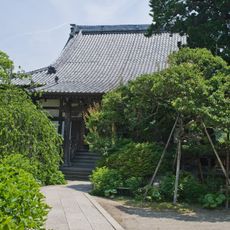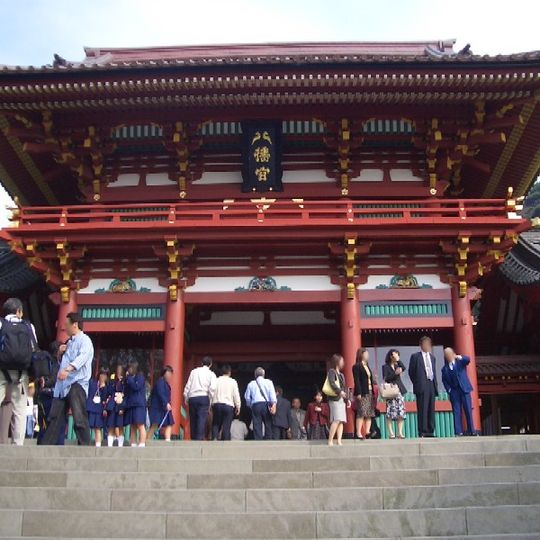
Tsurugaoka Hachiman-gū, Hachiman shrine in Yukinoshita, Kamakura, Japan.
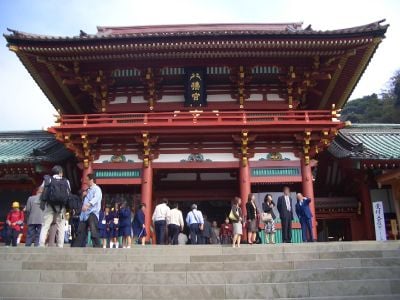
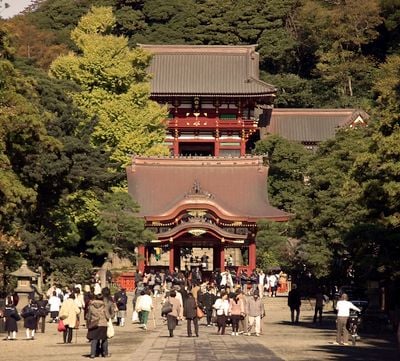
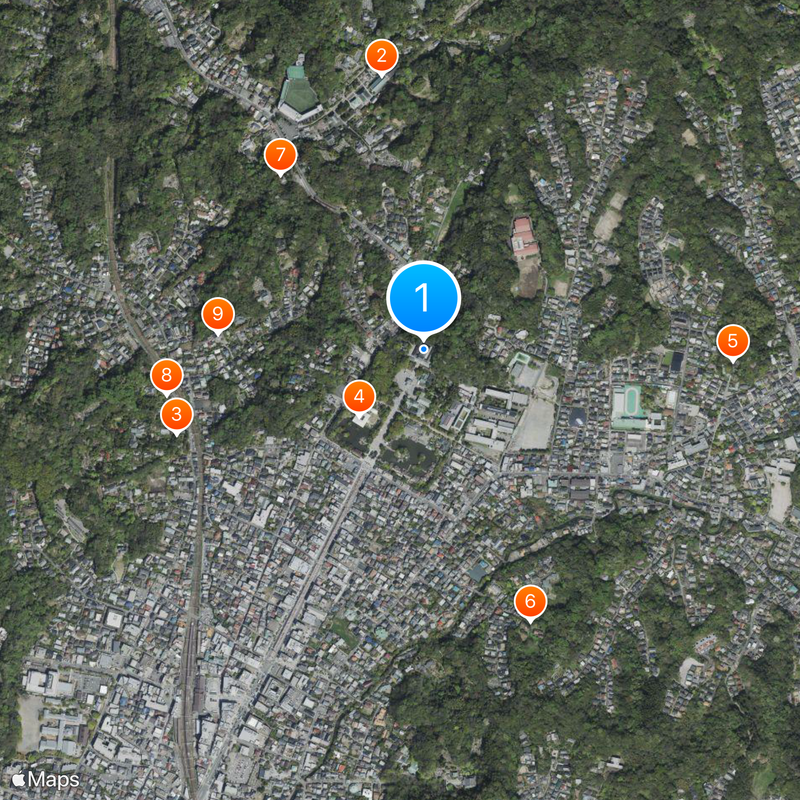
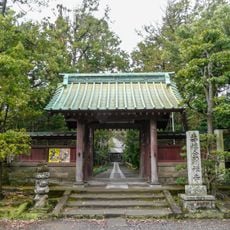
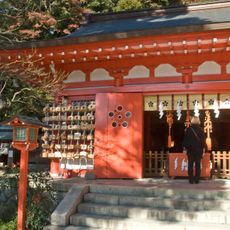
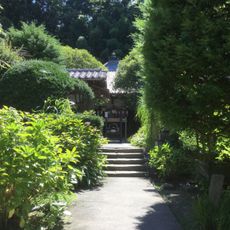
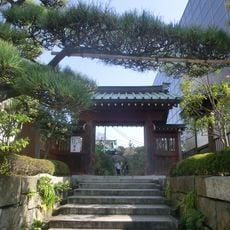
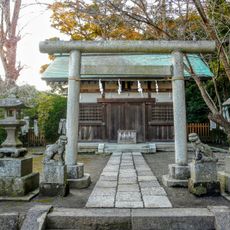
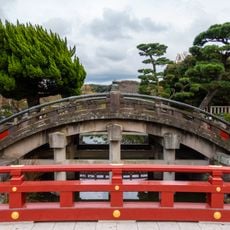
Tsurugaoka Hachiman-gū is a Hachiman shrine in Yukinoshita, Kamakura, serving as an important center of religious worship. The complex unfolds along a pathway marked by three large red torii gates, leading to a main sanctuary that sits above a broad stone staircase and is surrounded by several auxiliary buildings.
Minamoto no Yoriyoshi founded the shrine in 1063, dedicating it to Hachiman, the god of war. When Minamoto no Yoritomo declared Kamakura the capital of his new shogunate in 1180, he relocated the shrine to its present site and made it the religious center of the city.
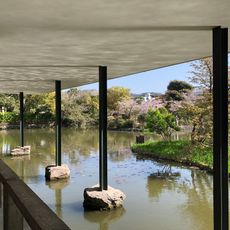
Two ponds within the shrine grounds symbolize the Minamoto and Taira clans, with the number of islands in each reflecting traditional Japanese numerology. This design reminds visitors of the historical rivalry between these two powerful families and their significance in Japanese history.
The shrine remains open daily, with access hours varying by season and beginning earlier during summer months than in cooler periods. Visitors should wear comfortable shoes, as the stone staircase leading to the main building includes several dozen steps and can become slippery when wet.
A peony garden within the shrine grounds displays flowers blooming in winter, a rare sight in Japanese gardens that typically rest during this season. This unusual flowering period results from special cultivation techniques that allow the peonies to show color during the colder months.
The community of curious travelers
AroundUs brings together thousands of curated places, local tips, and hidden gems, enriched daily by 60,000 contributors worldwide.