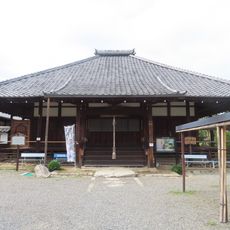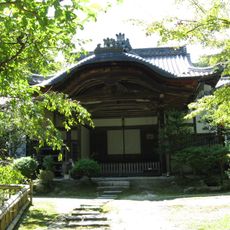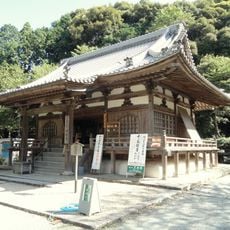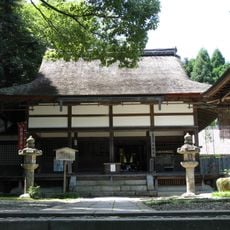
Ōmi Shrine, Shinto shrine in Ōtsu, Japan
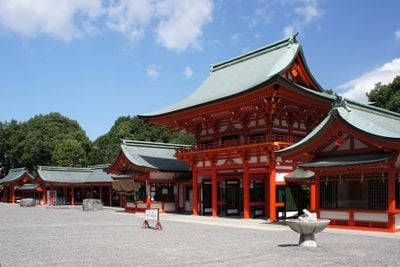
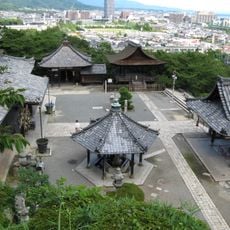
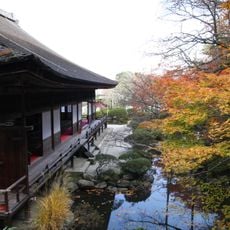
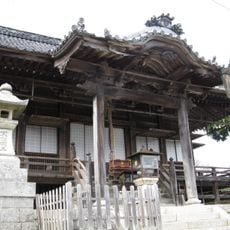
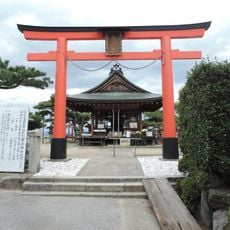
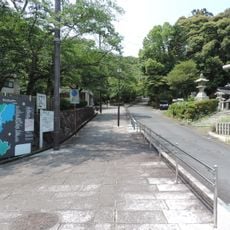
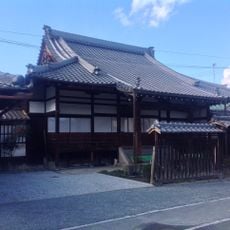
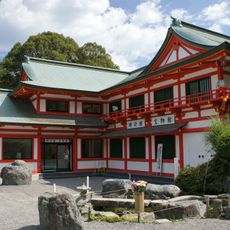
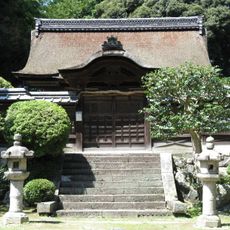
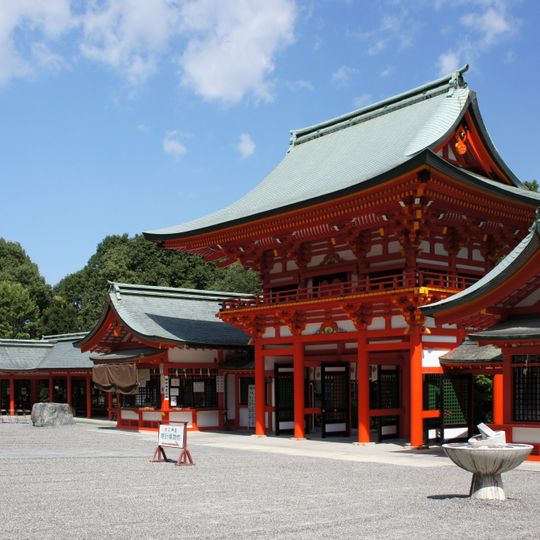
Ōmi Shrine is a Shintō sanctuary in Ōtsu that features traditional Japanese architectural elements including red-painted buildings, torii gates, and purification basins. The grounds spread across a forested area with multiple structures and pathways for visitors to explore.
The sanctuary was constructed in 1940 and honors Emperor Tenji, who moved Japan's capital to Ōtsu in 667. Its establishment marked a turning point in how this historical figure and his significance to the region were commemorated.
The shrine holds a collection of poem monuments with inscriptions of tanka and haiku works by notable writers such as Matsuo Bashō. These works are scattered across the grounds and show the place's connection to Japanese literary history.
The grounds are easy to explore on foot with clear pathways for visitors of all abilities. A separate building on the premises can be visited for an additional fee and is worthwhile for those interested in special collections.
The grounds house a museum displaying Japan's first clock collection, including traditional water clock systems. This collection documents early Japanese timekeeping and appeals to visitors interested in technical history.
The community of curious travelers
AroundUs brings together thousands of curated places, local tips, and hidden gems, enriched daily by 92,634 contributors worldwide.