Mattō, dissolved municipality in Ishikawa prefecture, Japan
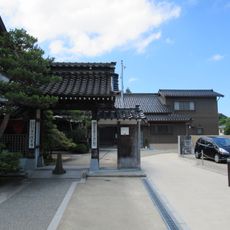
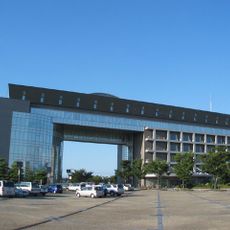
Mattō was a city in southern Ishikawa Prefecture that covered approximately 96 square kilometers (37 square miles) and existed as a separate municipality until 2005. The area featured densely populated neighborhoods with shops, schools, parks, and local businesses, with tree-lined streets and traditional eateries scattered throughout.
Mattō was established as a city in 1970 and grew into a community with over 66,000 residents. On February 1, 2005, Mattō merged with nearby towns and villages to become part of the larger city of Hakusan, consolidating public services and resources.
Mattō was a center for traditional crafts, particularly the making of Asano Taiko drums with a history spanning over 400 years. The city hosted seasonal festivals such as the Sakura Festival in spring and the Mattō Festival in summer, where residents gathered to celebrate with traditional dances and local stalls.
The area is accessible by public transportation and car, with good connections to nearby cities and tourist destinations. Visitors can explore the relatively flat terrain by bicycle or on foot through the manageable streets and neighborhoods.
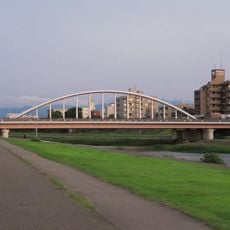
The city was known for its high-quality sake breweries that used water from the nearby river and local rice, with varieties such as Tengu Mai and Tedori Gawa still produced today. The name Mattō itself comes from a shift in pronunciation from 'matsutō' to 'mattō', showing how local speech patterns shaped the name over time.
The community of curious travelers
AroundUs brings together thousands of curated places, local tips, and hidden gems, enriched daily by 60,000 contributors worldwide.