Hōzan-ji, Buddhist temple on Mount Ikoma, Japan
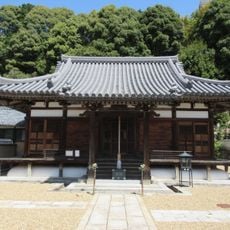
Hōzan-ji is a Shingon Ritsu temple on Mount Ikoma in Ikoma, Nara Prefecture. Its main hall has a large hip-and-gable roof with upturned eaves and a wide porch under a curved gable; to its left a lower hall with a tiered brownish roof stands behind a latticework fence and stone steps. Two large bronze lanterns on stone bases stand in the paved courtyard.
Mount Ikoma was a Shugendō training ground said to have been opened by En no Gyōja in 655, and Kūkai is said to have trained there. The monk Tankai revived the site in 1678, enshrining Kangiten; a temporary main hall followed in 1680 and the completed main hall in 1688, when the temple took the name Hōzan-ji.
The temple is also called Ikoma-Shōten after Kangiten, the deity enshrined in its Shōten Hall, and Osaka merchants have long prayed here for success in business. On the 1st and 16th of each month, and especially on the 1st, worshippers arrive from before dawn. The precincts up to the Shōten Hall stay open around the clock, with a night reception for talismans and prayers.
The precincts up to the Shoten Hall are open for worship 24 hours a day, with a staffed night reception window just inside the middle gate for talismans, omikuji and prayer requests. The staircase from the foot of the mountain to the Okunoin runs over 1,000 steps. Two coin-changing machines stand in the precincts for offerings.
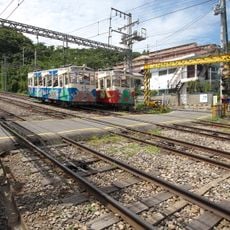
The country built its first cable car in 1918 specifically to carry visitors to this mountain temple. The line tackles the steep climb and shortens the ascent considerably for pilgrims and tourists alike.
The community of curious travelers
AroundUs brings together thousands of curated places, local tips, and hidden gems, enriched daily by 93,132 contributors worldwide.