Currency Museum of the Bank of Japan, Numismatic museum in Nihonbashi-Hongokuchō, Tokyo, Japan.
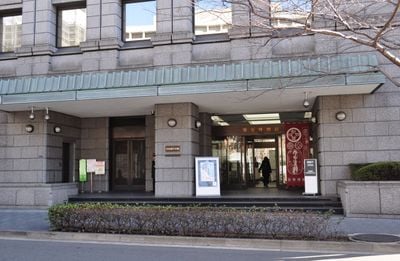
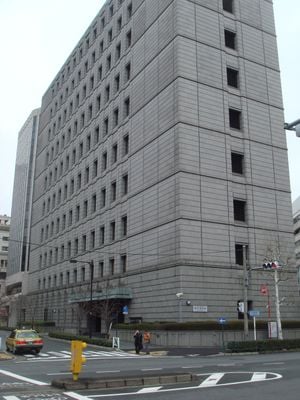
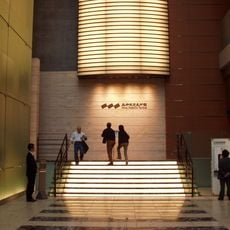
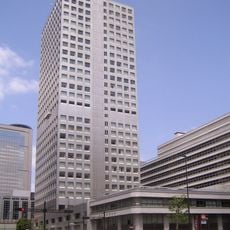
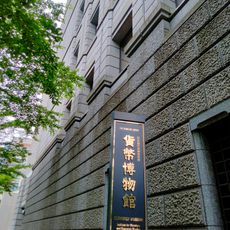
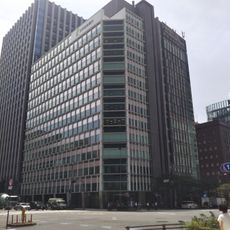
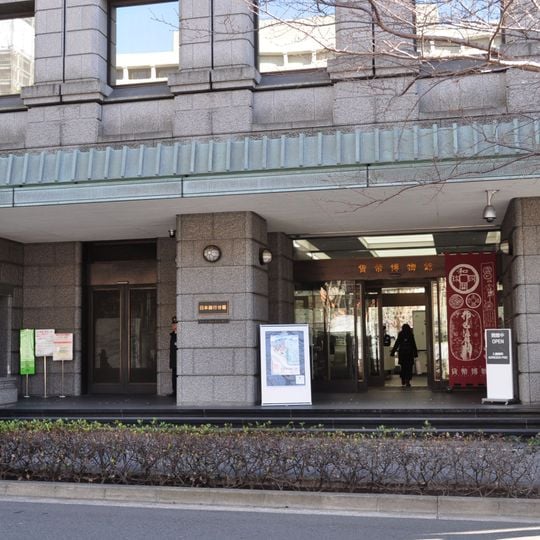
The Currency Museum of the Bank of Japan occupies the second floor of the Bank of Japan's Annex, a light-gray stone building with a grid of rectangular blocks and narrow vertical windows, beside the main headquarters. Its entrance has a pale green metal canopy, a square stone pillar with a round clock and a gold plaque reading "日本銀行分館", and a red vertical banner. Inside are about 3,000 coins, banknotes, and military scrip from ancient times to the present.
The Bank of Japan set up the museum in 1982 for its centenary and opened it to the public in November 1985. It occupies the second floor of the Bank's Institute for Monetary and Economic Studies in the Nihonbashi-Hongokuchō district, next to the main bank building. The collection grew from coins and notes gathered by the Bank and the Senpeikan collection donated by Keibun Tanaka.
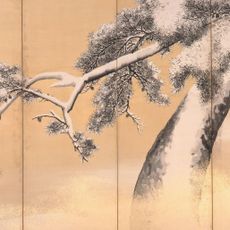
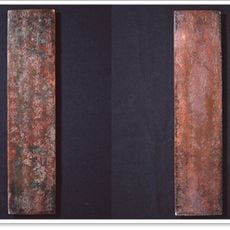
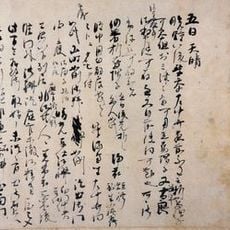
The displays trace how coin designs shifted over centuries, reflecting changes in craftsmanship and the materials available at the time. Some early coins on show were imported from China and circulated in Japan long before a domestic currency existed.
The museum is a short walk from Mitsukoshimae Station, making it easy to combine with other sights in the Nihonbashi area. Entry is free, and the rooms are compact enough that most visitors can take in everything comfortably within an hour.
One of the most talked-about features is a hands-on display where visitors can lift a case holding 100 million yen in cash and feel its actual weight. The experience tends to surprise people, since that sum in banknotes turns out to be far heavier than most expect.
The community of curious travelers
AroundUs brings together thousands of curated places, local tips, and hidden gems, enriched daily by 93,124 contributors worldwide.