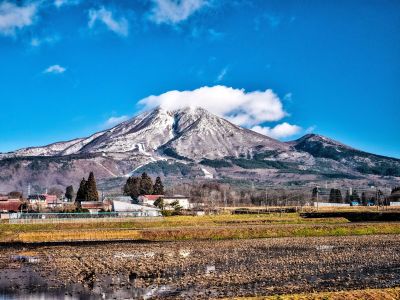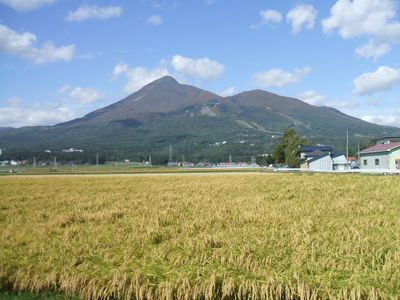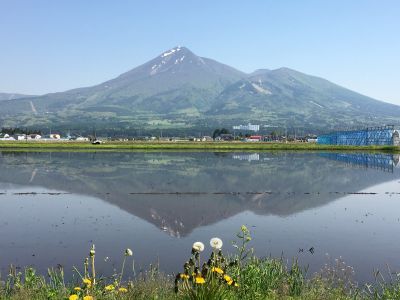
Mount Bandai, Stratovolcano in Fukushima Prefecture, Japan.
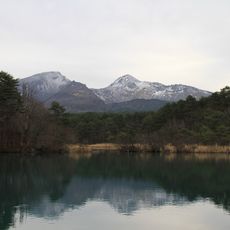
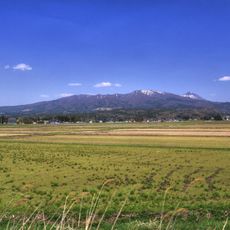
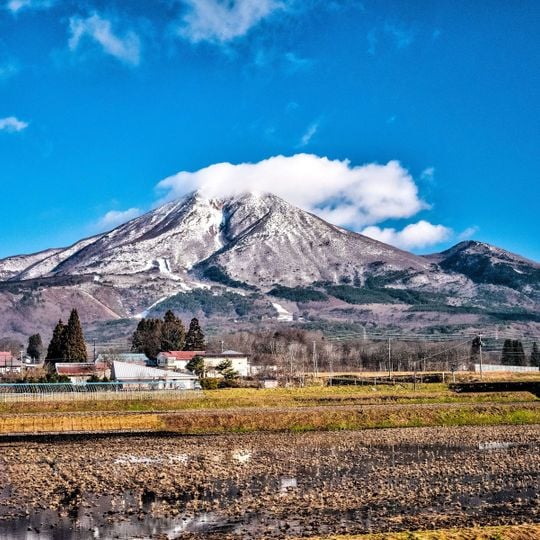
Mount Bandai is a 1,816.29 m active stratovolcano in Fukushima Prefecture, its summit and upper slopes covered in patchy snow over dark rock. A band of forested lower slopes wraps across its midsection. The main peak, Obandai, is joined by Kushigamine (1,636 m) and Akahani (1,427 m); from the south it appears conical, while the north side is cut by a collapse crater.
The 1888 eruption destroyed the northern flank and created a huge debris flow that buried several valleys. This event changed the landscape permanently and led to the formation of new lakes in the area below.
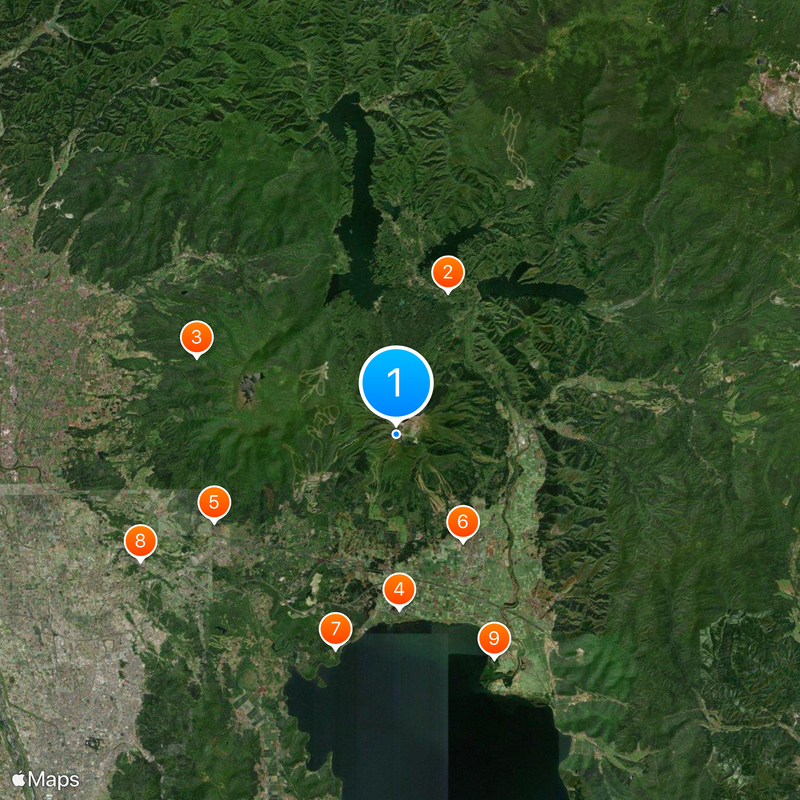
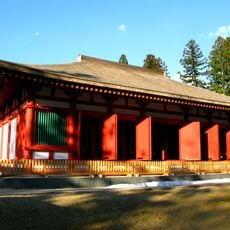
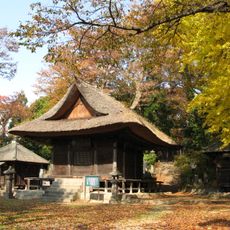
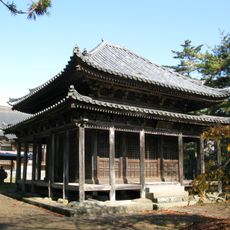
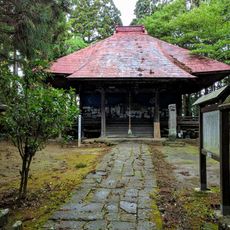
The mountain was originally called Iwahashi-yama, meaning "a rock ladder to the sky"; it is also known as Aizu Fuji and Aizu Bandai. Enichi Temple, founded in 807, one year after the 806 eruption, sits at the south-western foot and has long served as a centre of mountain worship, with routes to Azumayama Shrine starting from its main temple.
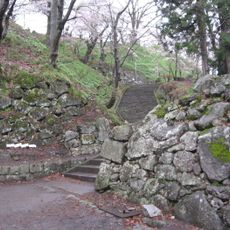
Six trails lead to the summit. The Happoudai trailhead, reached along the Bandai Gold Line, is used by more than 80% of summer climbers: 3.5 km, 620 m of ascent, about 2 hours. The Inawashiro route takes 3.5 hours over 5.5 km. Drinking water is available at Kōbō-shimizu, 30 minutes below the summit, and at Kogane-shimizu.
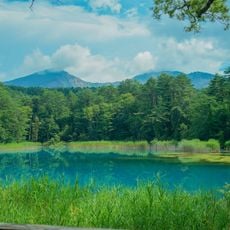
The Goshiki-numa lakes below the northern flank show different shades from green through blue to red depending on mineral content and light. Each of these lakes carries its own name and changes appearance with the seasons.
The community of curious travelers
AroundUs brings together thousands of curated places, local tips, and hidden gems, enriched daily by 92,789 contributors worldwide.