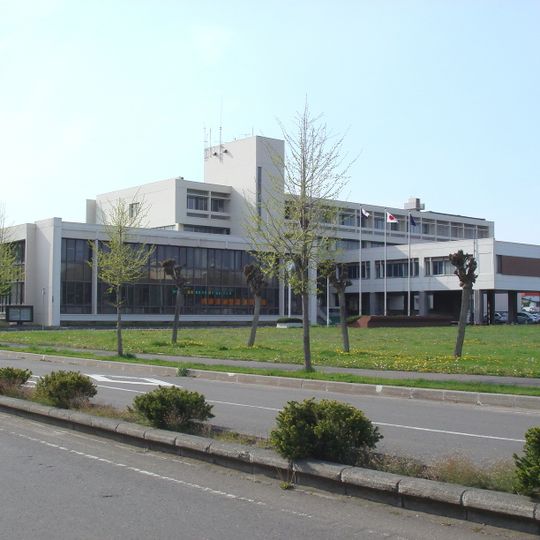
Bibai, Industrial city in central Hokkaido, Japan
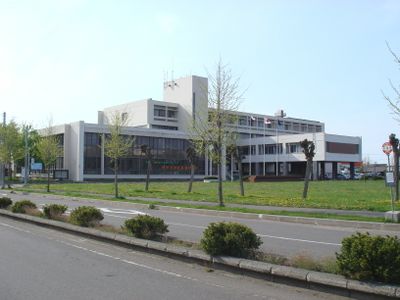
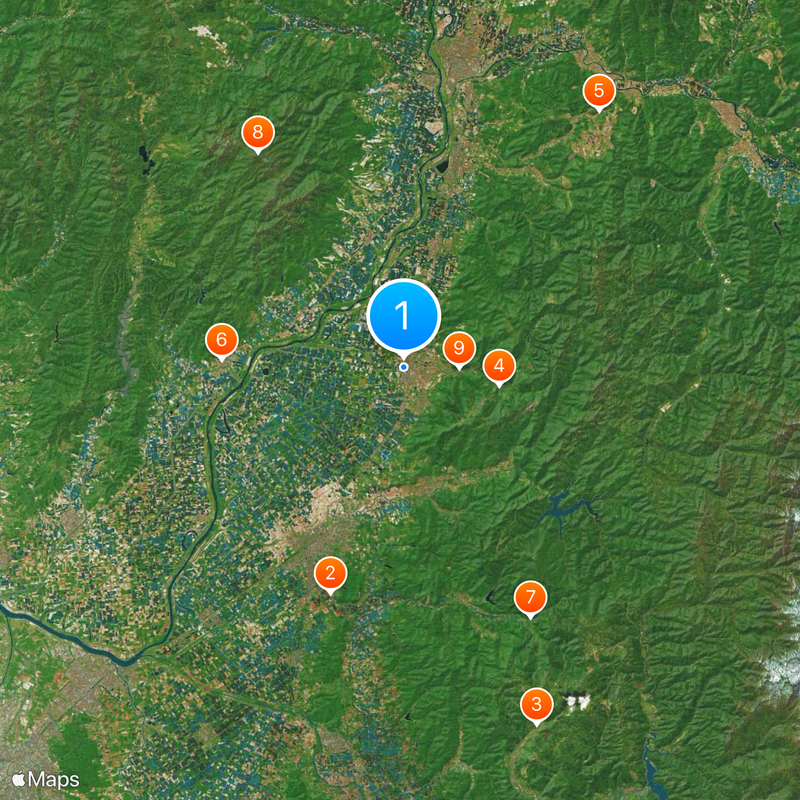
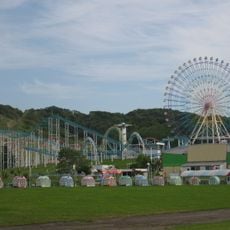
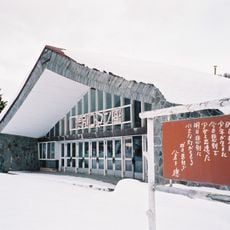
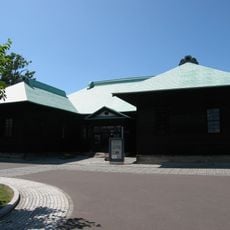
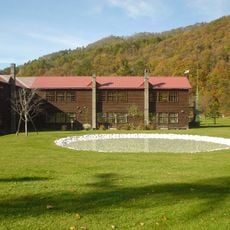
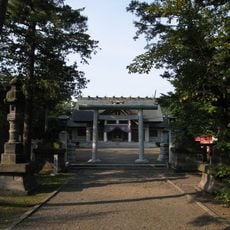
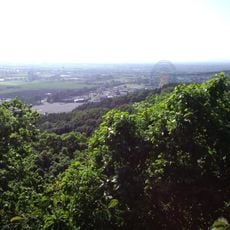
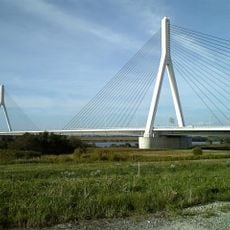
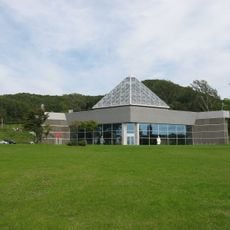
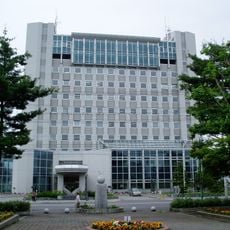
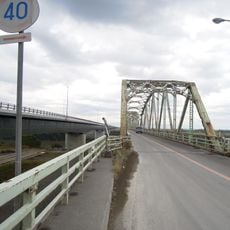
Bibai is a city in central Hokkaido that stretches across the Ishikari Plain between Asahikawa and Sapporo, with the Ishikari River flowing along its western edge. The city features several museums and parks that structure the landscape and offer visitors different recreational opportunities.
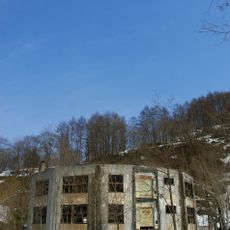
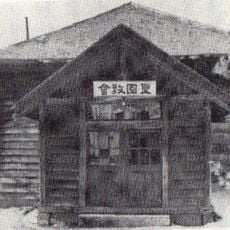
Japanese farmer-soldiers established Bibai in 1891 and transformed it into a major rice production center for the Sorachi region by the early 1900s. The shift to coal mining in the 20th century fundamentally changed the economy and appearance of the city.
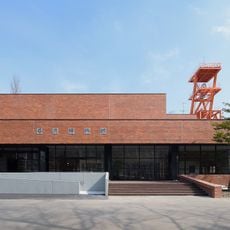
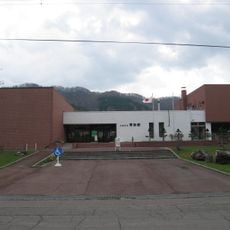
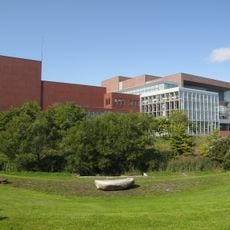
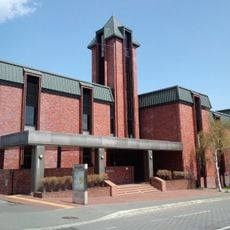
The Kan Yasuda Sculpture Museum displays marble and stone works that reflect the artistic development of this former coal mining city. The collection offers visitors insight into contemporary art forms that emerged in the region.
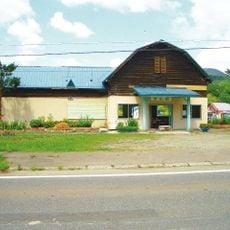
The JR Hakodate Line Limited Express connects Bibai Station to Sapporo Station in about 35 minutes with regular services throughout the day. Visitors should check in advance which museums and parks are open for their interests, as the city is widely spread out.
The nearby Lake Miyajima received recognition as a Ramsar Convention wetland in 2002, protecting its sensitive ecosystem and resident bird species. This protected status made the lake an important stopover for migratory birds traveling through Japan.
The community of curious travelers
AroundUs brings together thousands of curated places, local tips, and hidden gems, enriched daily by 92,303 contributors worldwide.