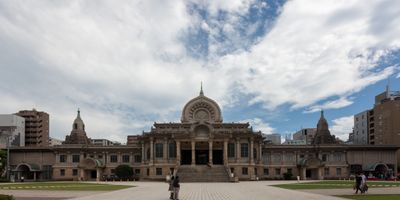
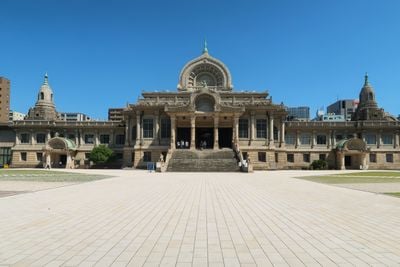
Tsukiji Honganji Temple, Buddhist temple in Tsukiji, Tokyo, Japan
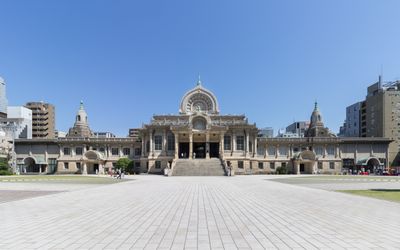
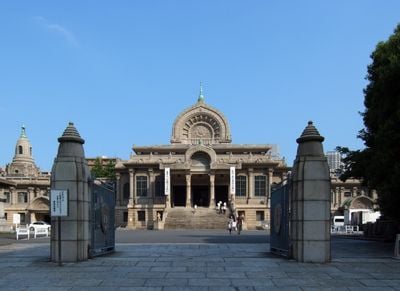
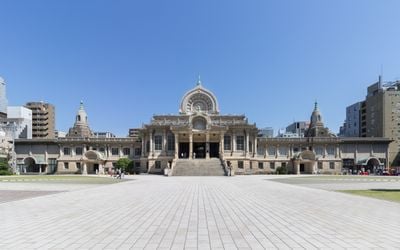
Tsukiji Hongan-ji is a Buddhist temple in Tsukiji, Tokyo, Japan, notable for its unusual architecture that recalls Indian and Central Asian building forms. The main hall features a copper-clad dome, broad staircases, stone columns, and open chambers blended with traditional Japanese elements.
The temple was founded in 1617 and originally stood in a different district before moving to Tsukiji after a major fire in the 17th century. The current building dates from the 1930s, following reconstruction after an earlier destruction.
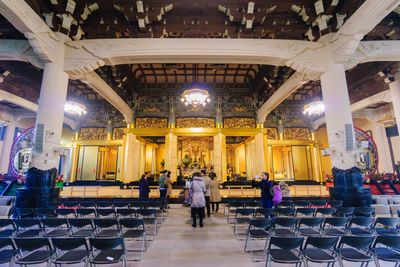
The name translates to Main Temple of the Original Vow, referring to the teachings of the Jodo Shinshu school, one of the largest Buddhist traditions in Japan. Worshippers come here to pray, light incense, and attend ceremonies that connect daily life with spiritual practice.
Access is available daily from early morning until late afternoon, with visitors free to enter the main hall. An information center offers orientation and background material in several languages.
Architect Ito Chuta studied ancient structures in India and brought their forms into the Japanese capital, where such stylistic blends are rarely seen. Two stone lions guard the entrance, recalling guardian figures found at South Asian shrines.
The community of curious travelers
AroundUs brings together thousands of curated places, local tips, and hidden gems, enriched daily by 60,000 contributors worldwide.