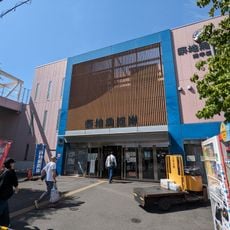
Namiyoke Inari Shrine, Inari shrine in Tsukiji, Chūō, Tokyo, Japan
Namiyoke Inari Shrine is an Inari shrine in the Tsukiji district of Tokyo, built in the Shinmei-zukuri style. The main structure is wooden, with a curved roof and a small paved courtyard framed by torii gates at the entrance.
The shrine was built in the 17th century, when workers were reclaiming land from the sea in what was then a marshy stretch of Tokyo. It served from the start as a place of protection for those who worked on the water, a role that continued after the famous fish market was established nearby.
The name means "protection from waves," given after the enshrined deity was found floating in the sea in 1659 and the landfill work calmed. The shrine became an unofficial guardian of the Tsukiji fish market after 1923. In the grounds stand memorial mounds for sushi ingredients such as eggs, shrimp, tuna and kelp, and the Tsukiji Lion Festival is held here each June.
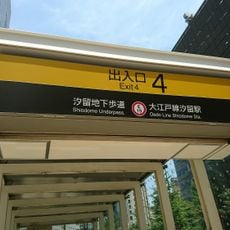
The shrine sits a short walk from the former Tsukiji market grounds and is easy to reach on foot from the surrounding streets. A visit generally takes only a few minutes, and the space is open year-round with no reservation needed.
The shrine holds two lion-head sculptures designated as municipal cultural properties: a pair of lion heads from 1848, and the large ceiling lion of the Lion Hall, linked to the February Setsubun rite. The grounds also hold an iron water basin cast in 1838 by Ōta Ōmi-no-daijō Fujiwara Masatsugu.
The community of curious travelers
AroundUs brings together thousands of curated places, local tips, and hidden gems, enriched daily by 93,531 contributors worldwide.