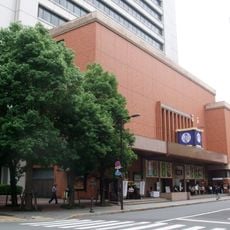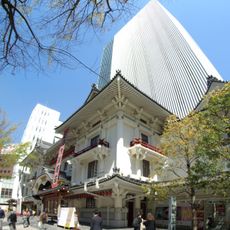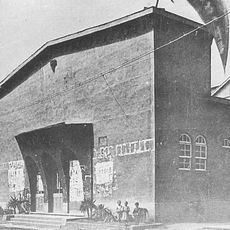
Shintomi-za, Theatre building in Chuo district, Tokyo, Japan
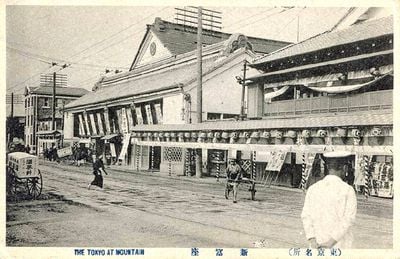
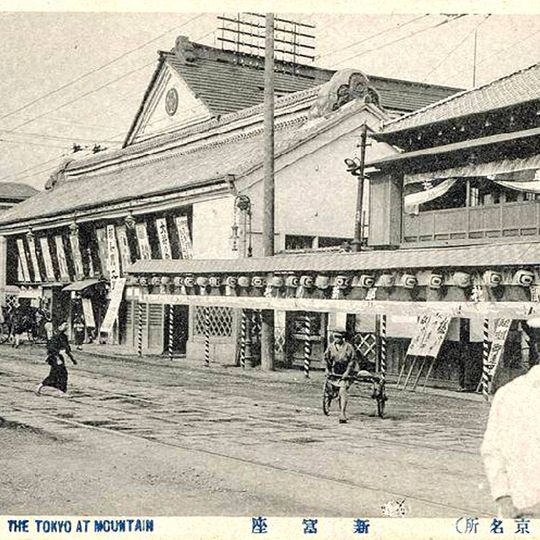
Shintomi-za was a wooden theatre with divided box seating for groups of four, with stalls selling snacks, photographs, and refreshments located throughout the space. The stage featured traditional design elements including a hana michi walkway and natural scene decoration using potted plants, bamboo, and shrubs.
The theatre was founded in 1878 as a replacement for Morita-za after a fire destroyed the previous venue, and operated until the Great Kanto earthquake of 1923 destroyed it. This period marked significant development in modern kabuki theatre within Tokyo during the late 1800s and early 1900s.
The stage incorporated traditional elements such as a hana michi walkway and natural decorations including potted trees, bamboo, and shrubs for scene enhancement.
The theatre opened around eleven in the morning and remained open until approximately eight in the evening, supported by nearby tea houses and restaurants for visitor needs. The surrounding area provided convenient amenities for breaks between performances and refreshments.
In 1879 the theatre staged Hyōryū Kidan Seiyō Kabuki, an early experimental production that attempted to blend Western elements with traditional Japanese kabuki performance. This show demonstrated the venue's willingness to adapt to changing audience tastes and attract new visitors.
The community of curious travelers
AroundUs brings together thousands of curated places, local tips, and hidden gems, enriched daily by 91,848 contributors worldwide.