Kanō Tenman-gū, Shinto shrine in Japan
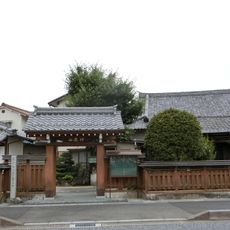
Kanō Tenman-gū is a Shinto shrine in Gifu dedicated to the scholar Sugawara no Michizane, also known as Tenjin. It has a simple main building with wooden beams and a curved roof, a small garden area with trees and flowers, and a dedicated space where visitors hang wooden plaques with their wishes.
Saitō Toshinaga commissioned the shrine in 1445 as guardian of Izumii Castle, though other records date its founding to around 1350. After the castle was abandoned in 1538, locals kept worshipping there. Okudaira Nobumasa moved it to its present site in 1601 when he built Kanō Castle. The haiden survived the 1891 Mino–Owari earthquake and the 1945 firebombing that destroyed most other buildings; the honden was rebuilt in 1948 and again in 2003.
The shrine is dedicated to the god of learning and attracts students seeking help with their studies and exams. Visitors leave wishes written on small wooden plaques called ema, which reflects a local custom of expressing hopes for academic and personal success.
The shrine is about a 5-minute walk from JR Gifu Station on the Tokaido and Takayama lines, or about 12 minutes from Meitetsu Gifu Station; buses on the Matsurai Kanō, Ginammachi, Kanōshima, Anebe Mitahora and Kanōminami routes stop at Kanō Sakuramichi, 5 minutes away. The haiden of 1810 and the honden rebuilt in 2003 stand within the grounds, alongside Tsushima Shrine, Inari Shrine and the Kasao Shōtoku Monument honouring Matsudaira Mitsushige, who began Gifu umbrellas. The festival runs on the third Saturday and Sunday of October.
The shrine keeps the only one of Kanō's nine festival floats to survive the 1945 firebombing of Gifu. The remaining float, called Kurama-sha, is designated a tangible folk cultural property of Gifu City, and the float-pulling tradition, halted after the war, was revived in 2003 as the Kanō Tenman-gū Tenjin Festival.
The community of curious travelers
AroundUs brings together thousands of curated places, local tips, and hidden gems, enriched daily by 93,693 contributors worldwide.