Kōzan-ji Temple, Buddhist temple in Ukyō-ku, Kyoto, Japan
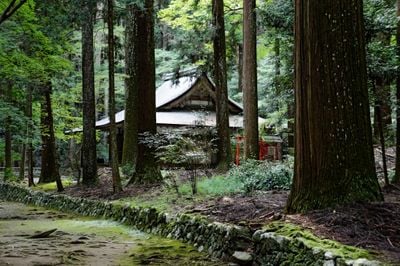
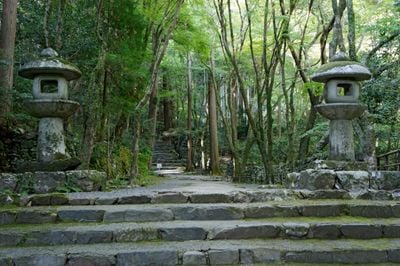
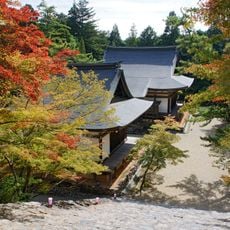
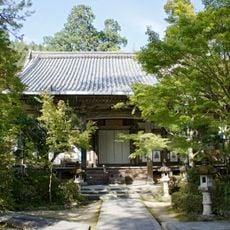
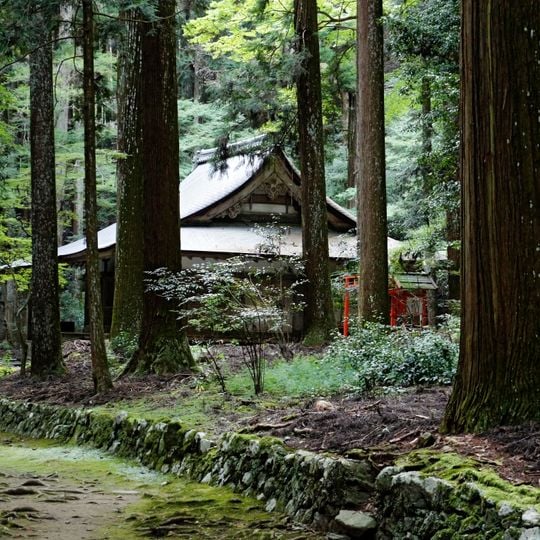
Kōzan-ji is a Buddhist temple in the mountains of Ukyō Ward, Kyoto. Its oldest surviving building is Sekisui-in, a Kamakura-period structure with a gabled, hipped shingled roof, now used to display temple treasures. A stone stairway of rough-hewn blocks climbs the forested slope, and the main hall was relocated from Ninna-ji.
In 1206 Emperor Go-Toba granted land to monk Myōe to establish this temple, marking an important moment in the region's religious history. The site later became recognized as a major cultural landmark and was listed among Kyoto's historic sites.
The temple's name comes from an Avatamsaka Sutra phrase meaning 'when the sun rises, it first lights the highest mountain,' chosen by Myōe in 1206. Its Chōjū-jinbutsu-giga scrolls, four ink volumes without text, are linked to the beginnings of Japanese manga; the rabbit-and-frog volume is the best known. The originals are kept at the Tokyo and Kyoto national museums, and copies are shown at the temple.
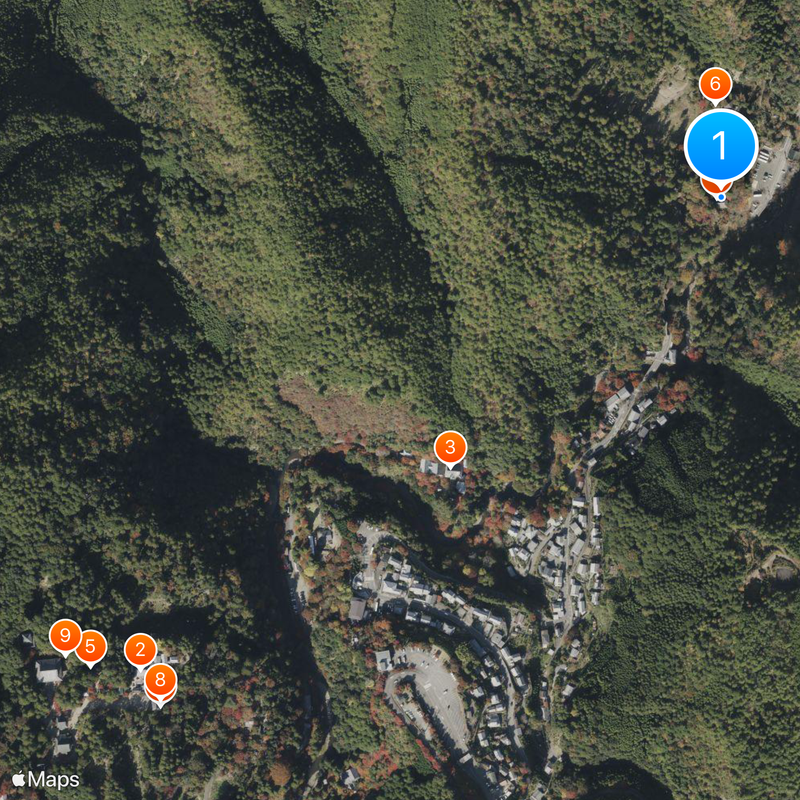
The grounds are generally free to enter, but an admission fee applies during the autumn foliage season; Sekisui-in charges year-round and has a separate fee in autumn. A free car park along the national road is available, though it may become paid in November. From Kyoto Station take a JR bus, or city bus route 8 from Shijō Karasuma, to the Toganoo stop, a short walk away.
The tea field here stands where the Jūmujin-in, the temple's central monks' quarters, once stood. A stone marker calls it Japan's oldest tea garden, based on the tradition that Myōe planted seeds given by Eisai. Toganoo tea was later prized as honcha, the standard against which other teas were judged.
The community of curious travelers
AroundUs brings together thousands of curated places, local tips, and hidden gems, enriched daily by 93,271 contributors worldwide.