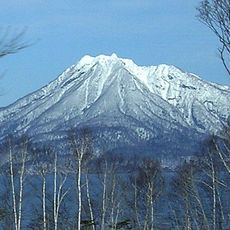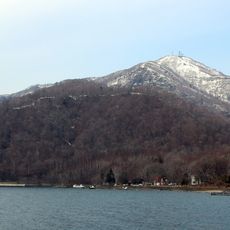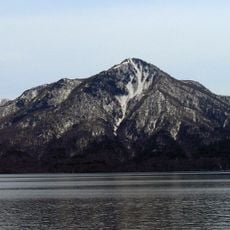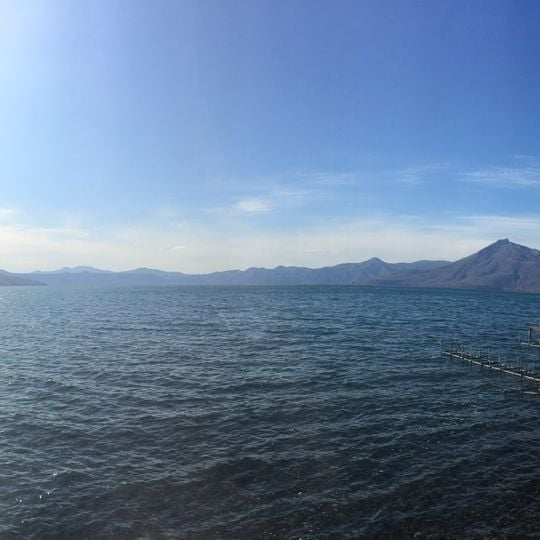
Lake Shikotsu, Caldera lake in Chitose, Japan
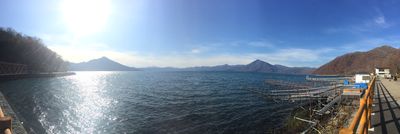
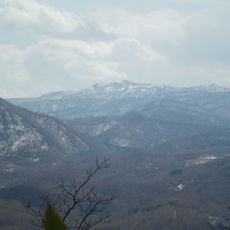
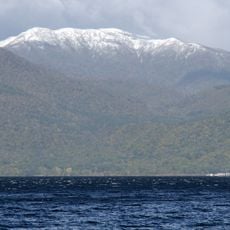
Lake Shikotsu is a caldera lake in Shikotsu-Toya National Park, Chitose, Hokkaido, formed about 44,000 years ago when a huge eruption emptied the magma chamber and the basin filled with water. Eniwa and Fuppushi volcanoes later erupted on the rim, pinching the round basin into its present shape. The lake measures about 40 km around, 13 km east to west and 5 km north to south, with a maximum depth of 363 m.
It formed roughly 40,000 years ago through volcanic eruptions that collapsed the ground and shaped the caldera. The Ainu inhabited the surrounding areas long before Japanese settlers arrived in the 19th century.
The name comes from the Ainu word shikot, meaning large depression, and recalls the island's first inhabitants. Today the shores show small bathing spots and camping zones where families paddle and sit by the water in summer.
Buses run from Chitose Station and New Chitose Airport to the shore at Shikotsu Kohan, taking less than an hour. Those arriving by car follow National Highway 276 to parking areas near the water.
The lake's transparency, averaging 15 to 20 metres, results from its nutrient-poor water and the forested shores that keep sediment out. Japan's environment ministry has rated its water quality the country's best several times, and the deep blue tint is known as Shikotsu Blue.
The community of curious travelers
AroundUs brings together thousands of curated places, local tips, and hidden gems, enriched daily by 92,798 contributors worldwide.