Iwamura Castle, Mountain castle ruins in Ena, Japan
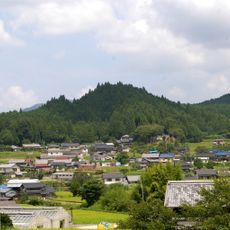
Iwamura Castle is a ruined fortress perched on a steep mountain peak in Gifu Prefecture, with stone walls rising at 721 meters above the Iwamura Basin. The site spreads across several terraced levels and features massive stone blocks fitted together without mortar.
The Tōyama clan, descended from Katō Kagekado, held Iwamura from the early Kamakura period, when the site was a fort on flat ground. In 1572 Takeda general Akiyama Nobutomo took the castle after its lord Tōyama Kagetō died; his widow Otsuya-no-kata surrendered on condition of marrying Akiyama. Oda Nobunaga retook it in 1575 and had the couple crucified. The Mori clan rebuilt it with stone walls over 17 years, and in 1873 the remaining buildings were demolished.
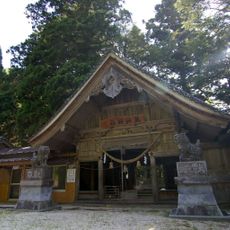
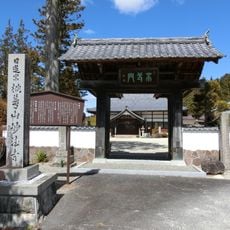
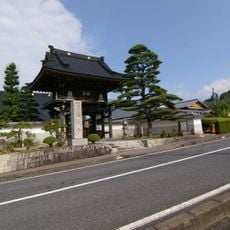
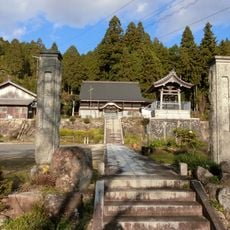
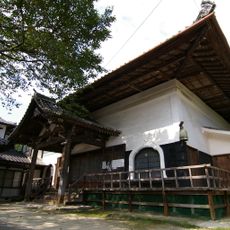
The castle's other name, Kiri-ga-jō ("Mist Castle"), appears in the Taiheiki, which names "Mino Kiri Castle Tōyama Saburō" at the 1337 battle of Kanegasaki. The story of Otsuya-no-kata, who took command after her husband Tōyama Kagetō died of wounds in 1572 and later married the Takeda general Akiyama Nobutomo, is still told in Iwamura. A gate of the castle survives as the gate of Myōhō-ji temple in the town below.
The walk from Iwamura Station on the Akechi Railway takes about 50 minutes to reach the ruins, with roughly 20 minutes to the entrance area and another 30 minutes to the central section. The path is steep and requires sturdy footwear, especially after rain when the ground can become slippery.
The fortress ranks among Japan's three major mountain castles, alongside Takatori in Nara and Bitchu-Matsuyama in Okayama. This ranking comes from its strategic location and construction method that uses the terrain itself as part of the defense.
The community of curious travelers
AroundUs brings together thousands of curated places, local tips, and hidden gems, enriched daily by 94,085 contributors worldwide.