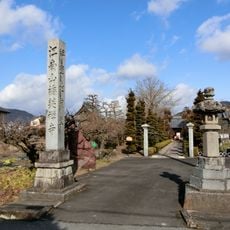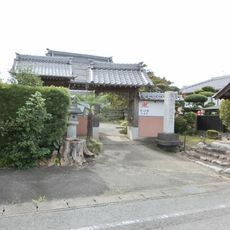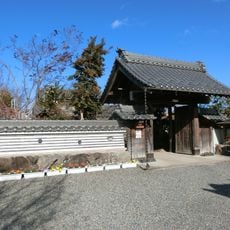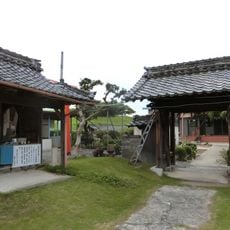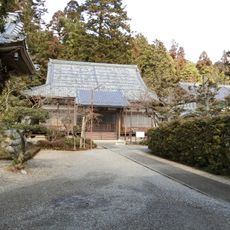
Kitagata, town in Motosu district, Gifu prefecture, Japan
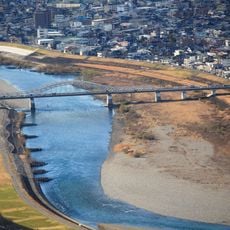
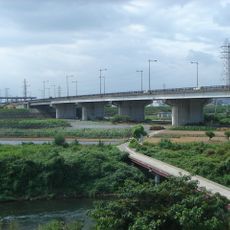
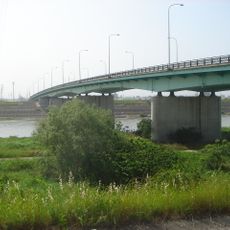
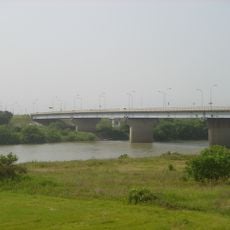
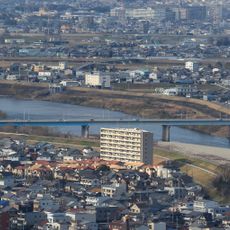
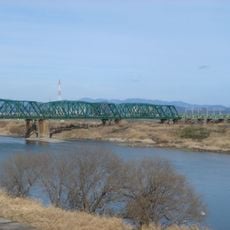
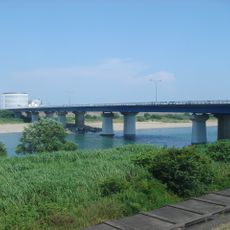
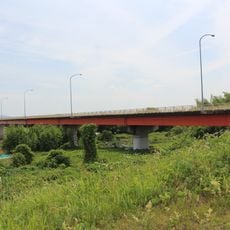
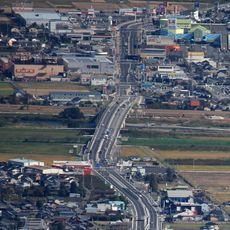
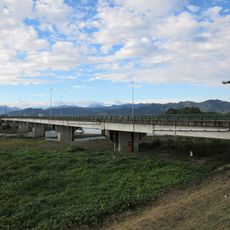
Kitagata is a small town in the Motosu district of Gifu Prefecture, Japan, set on the flat Nobi Plain and crossed by several rivers including the Ten'nō, Itozuki, and Hasegawa. The built area is mostly low-rise, with houses and small shops spread along straightforward streets.
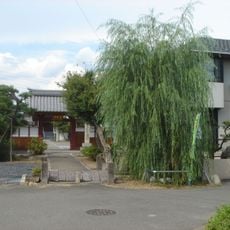
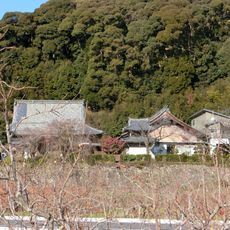
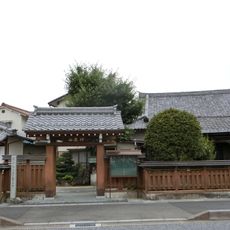
During the Edo period, this area was part of the Kano Domain under the Tokugawa shogunate and was home to a small administrative office called Kitagata Jin'ya, active from the 1600s. The town was officially founded in 1889 and had to rebuild after a major earthquake struck in 1891.
The name Kitagata roughly means "northern direction" in Japanese, pointing to the town's position in the northern part of the Nobi Plain. Small local shops and roadside spots serve as natural meeting points where residents gather during the day.
There is no train station in town, so getting there by car or bus along National Route 157 is the most practical option. Having a vehicle makes it easier to move around, since points of interest are spread across the flat plain rather than clustered together.
The kingfisher was named the town's official symbol in 2009 and can genuinely be spotted near the local rivers and ponds, where its blue coloring stands out against the water. The Gifu Kitagata Gardens, a modern garden complex with themed areas, was partly designed by architect Kazuyo Sejima, which is a detail many visitors do not expect in a town of this size.
The community of curious travelers
AroundUs brings together thousands of curated places, local tips, and hidden gems, enriched daily by 60,000 contributors worldwide.