Kobe Mosque, Ottoman mosque in Naka-Yamate-dōri, Japan
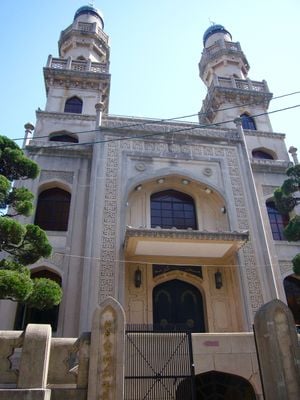
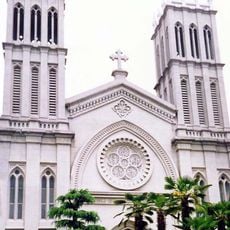
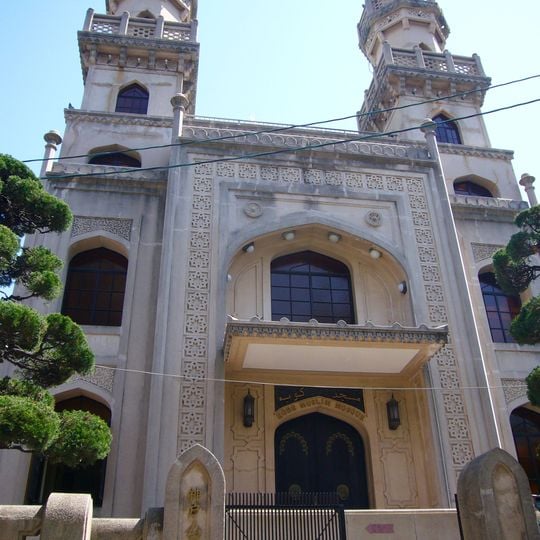
Kobe Mosque is a three-story reinforced-concrete building designed by Czech architect Jan Josef Švagr, with a flat roof and copper-clad domes. Its pale grey-beige stone-faced facade is covered in repeating carved geometric patterns, and two slender towers with small domed caps rise at the edges. Above the arched doorway, gold lettering on a dark band reads "KOBE MUSLIM MOSQUE" beneath Arabic script.
The mosque was completed in 1935 by architect Jan Josef Švagr, making it the first mosque building in Japan. It survived wartime seizure by the Japanese Imperial Navy and the devastating 1995 earthquake that struck the region.
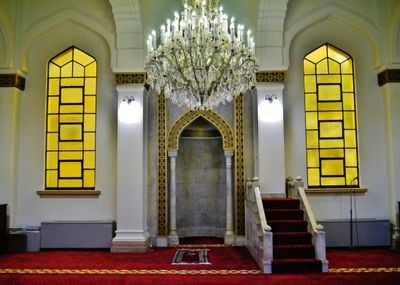
The mosque is open to non-Muslim visitors: men use the ground-floor prayer hall and women the second-floor hall, and groups should call ahead. Dress modestly, avoiding shorts or short skirts. The adjacent Islamic Culture Center holds study sessions on Islam's basics open to Muslims and non-Muslims alike.
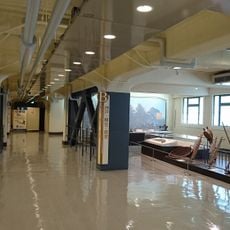
The building is located in an accessible area of the city with several levels offering different spaces inside. Visitors should know that certain times are reserved for prayers and that respectful dress is expected when entering.
The Indian merchant J. B. Ferozuddin personally covered more than half of the roughly 120,000-yen construction fund, with the Bombay firm Ahmed Abdul Karim Brothers next. Kobe's Tatar community, not wealthy at the time, cut into its own living expenses to contribute. S. A. Ahmad, who raised money as far away as India and the British Straits Settlements, died in Japan before the mosque was finished.
The community of curious travelers
AroundUs brings together thousands of curated places, local tips, and hidden gems, enriched daily by 93,242 contributors worldwide.