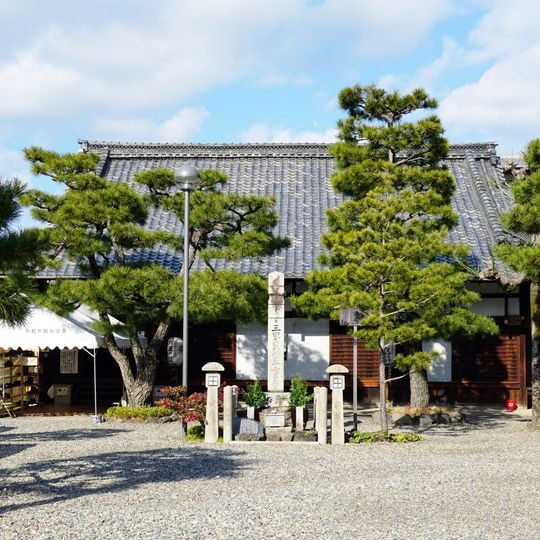
Rokudōchinnō-ji Temple, Buddhist temple in Higashiyama-ku, Japan.
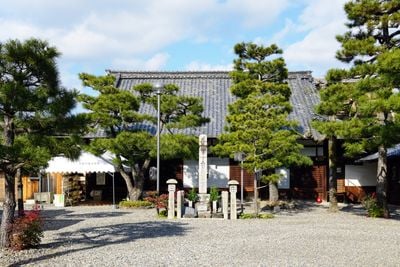
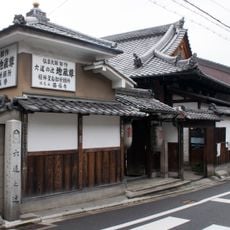
Rokudōchinnō-ji is a Rinzai-sect temple of the Kennin-ji branch in Higashiyama-ku, Kyoto, at the entrance to the old Toribe cremation ground. Its single-storey main hall has dark brown timber walls, sliding panels and a grey tiled roof; white vertical panels with black writing hang across the front, and stone markers stand in the gravel yard before it. The grounds also hold a garden, a five-storey stone pagoda, a bell tower and two wells linked to Ono no Takamura.
Founded during the Enryaku era (782–805), the temple is attributed to Keijun, abbot of Daian-ji in Nara and teacher of Kūkai; other traditions name Kūkai or Ono no Takamura, and a 1002 Tō-ji document credits Yamashiro no Ōmi with founding it in 836. It stood at the entrance to Toribeno, the Heian-period cremation ground, called Rokudō no Tsuji. In 1364 the monk Monkai Ryōsō arrived from Kennin-ji and restored it, converting it to the Rinzai sect; it was briefly merged into Kennin-ji in the Meiji era and became independent in 1910.
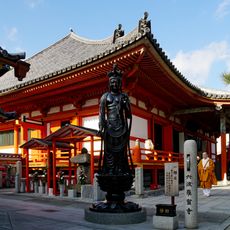
The temple is known as Rokudō-san, and its name was long read "Chinkō-ji"; Edo-period gazetteers even wrote it with the character for Ono no Takamura's name. From 7 to 10 August, the Rokudō-mairi draws stalls selling kōyamaki, atago shikimi, boxwood, lotus and hemp stalks along the approach. Visitors write a deceased person's name on a wooden strip, pass it through incense smoke, then pour water over it before the stone Jizō.
The temple sits on Gojō-dōri street near Yamatoōji-agaru and is open to visitors every day. Information about ceremonies and artworks is available in several languages.
During the annual Obon festival in August, people ring the Mukae-gane bell to welcome ancestral spirits. This custom connects the world of the living with the realm of ancestors through the sound of the bell.
The community of curious travelers
AroundUs brings together thousands of curated places, local tips, and hidden gems, enriched daily by 93,197 contributors worldwide.