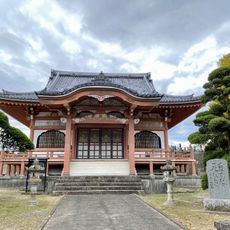
Kiyomizu-dera, Buddhist temple in Isumi, Japan.
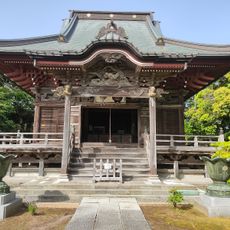
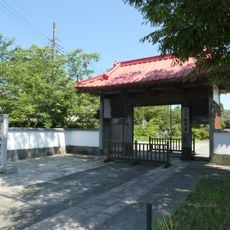
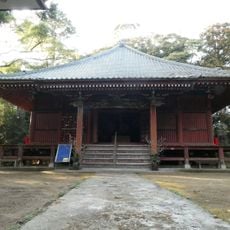
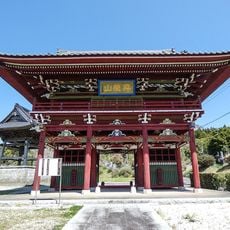
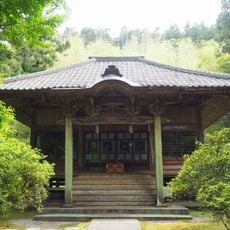
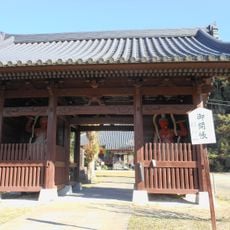
Kiyomizu-dera is a Buddhist temple with two main entrance gates: the Niō-mon featuring guardian figures and the Shiten-mon dedicated to the Four Heavenly Kings. The temple grounds include a primary worship hall and several structures arranged in a tranquil landscape setting.
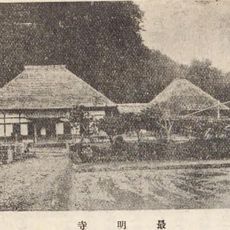
The temple's foundation is uncertain. According to legend, the priest Kūkai founded it in 807 after carving a small Kannon statue, and in 851 Ennin reconstructed it after the statue reappeared from a bamboo grove. The main hall, traditionally attributed to Sakanoue no Tamuramaro, was rebuilt between 1688 and 1703.
The honzon is a Senjū Kannon, a thousand-armed figure; the temple is also called Kiyomizu Kannon. The hillside chapel holds a Kamakura-period wooden Jūichimen Kannon, about 101 cm tall, carved in yosegi-zukuri style from cypress, with the head cut from a single block and joined in front of the ears. It is a Chiba Prefectural Tangible Cultural Property.
The temple serves as the 32nd station on the Bandō Sanjūsankasho pilgrimage route and welcomes pilgrims throughout the year. Visitors can have their pilgrimage books stamped at the administrative building and explore the various temple areas at their own pace.
The temple's full name is Otowa-yama Senjū-in Seisui-ji, and its honzon is a Senjū Kannon. The hillside name Otowa-yama echoes the Kyoto temple of the same name, which Sakanoue no Tamuramaro is also linked to in legend. The temple is the 32nd stop on the Bandō Sanjūsankasho circuit, between Kasamori-ji (31) and Nago-ji (33).
The community of curious travelers
AroundUs brings together thousands of curated places, local tips, and hidden gems, enriched daily by 93,136 contributors worldwide.