Teshima Art Museum, Art museum in Tonoshō, Japan
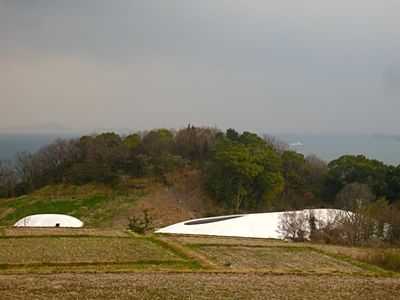
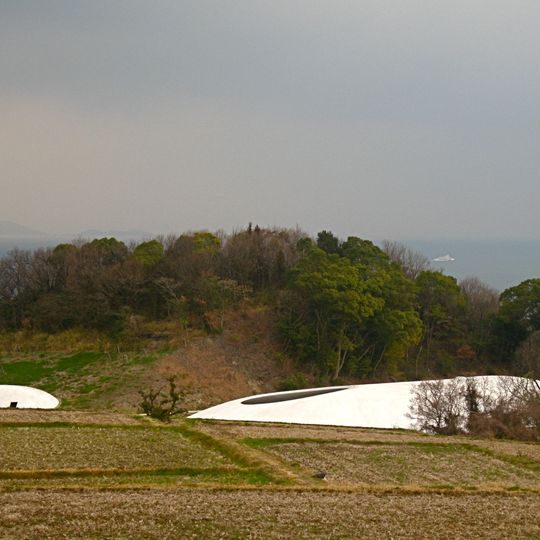
The Teshima Art Museum is a concrete shell structure on a grassy slope on Teshima island, Kagawa Prefecture. Designed by Ryue Nishizawa, the shell is 25 cm thick, measures about 40 by 60 metres and rises 4.3 metres at its highest point, with no interior columns. Two dark openings pierce the white surface, admitting light, air and sound.
The museum opened in 2010 as part of the Benesse Art Site Naoshima project, which transformed multiple islands in the Seto Inland Sea region into art destinations. This initiative played a key role in establishing the island region as an internationally recognized cultural hub.
The single work inside is Rei Naito's Matrix, described by the museum as a spring: water wells up from points across the floor over the course of the day. Light, wind, voices and rain entering through the two ceiling openings change how it reads, and the work shifts with the seasons and hours.
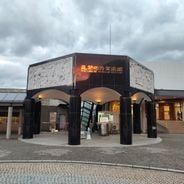
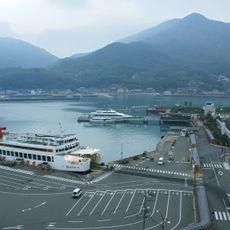
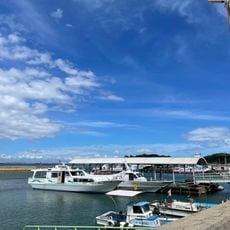
The museum is located on an island and is best reached by ferry, with regular connections from several ports. The facility itself is compact and can be comfortably explored in one to two hours.
The exhibition space spans approximately 40 by 60 meters (131 by 197 feet) without interior columns, allowing light, sound, and wind to interact freely. This open environment means the architecture itself becomes part of the artistic experience.
The community of curious travelers
AroundUs brings together thousands of curated places, local tips, and hidden gems, enriched daily by 93,195 contributors worldwide.