Historic Monuments of Ancient Nara, Historic monuments in Nara, Japan
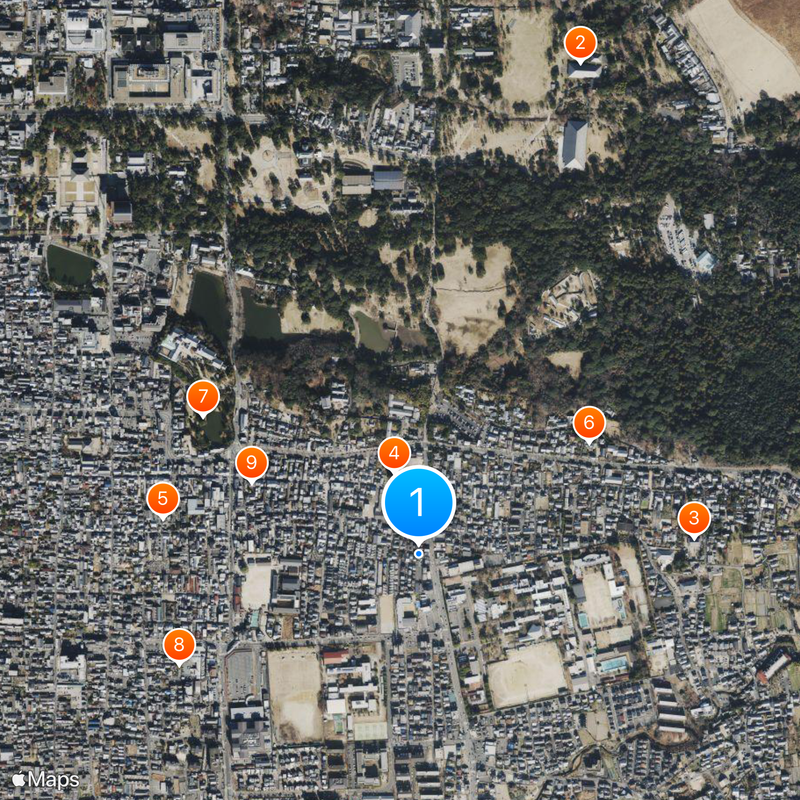
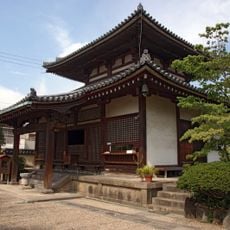
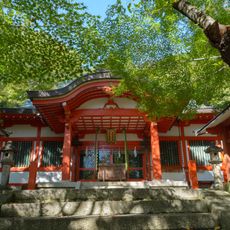
The Historic Monuments of Ancient Nara consist of eight significant locations throughout the former capital, including five Buddhist temples, a Shinto shrine, and an imperial palace. These sites spread across the city area, connected by walking paths and surrounding an ancient forest that together represent the cultural center of this period.
These sites were established during the Nara period from 710 to 784, when they served as the center of Japanese power and Buddhism. During this era, the buildings and surrounding forest took on their defining character, which endures today.
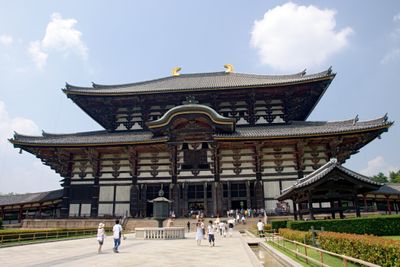
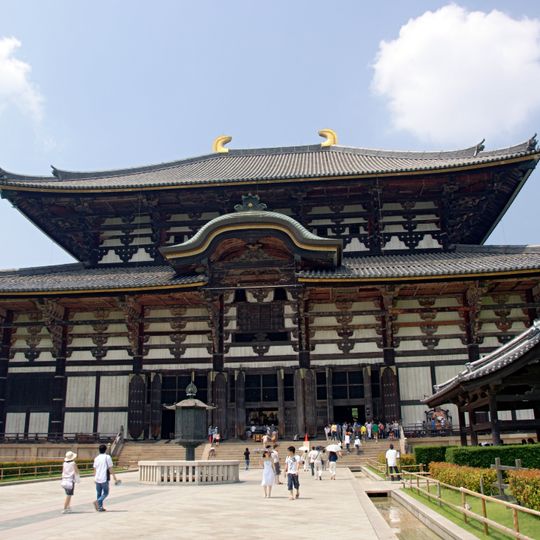
Todai-ji Temple displays the importance of Buddhism in Japanese society through its giant bronze Buddha, which forms the spiritual heart of the site. The location draws many visitors seeking to experience the religious significance and meditative quality of this sacred space.
The monuments are best reached from Kintetsu-Nara Station, where buses, bicycles, and walking paths connect the different sites. Most locations lie within comfortable walking distance and can be explored over a day or two.
The Kasugayama Primeval Forest has followed strict protection rules for over 1,000 years, preserving its original vegetation. This rare preservation allows visitors to see a forest that closely resembles how it looked in ancient times.
The community of curious travelers
AroundUs brings together thousands of curated places, local tips, and hidden gems, enriched daily by 91,601 contributors worldwide.