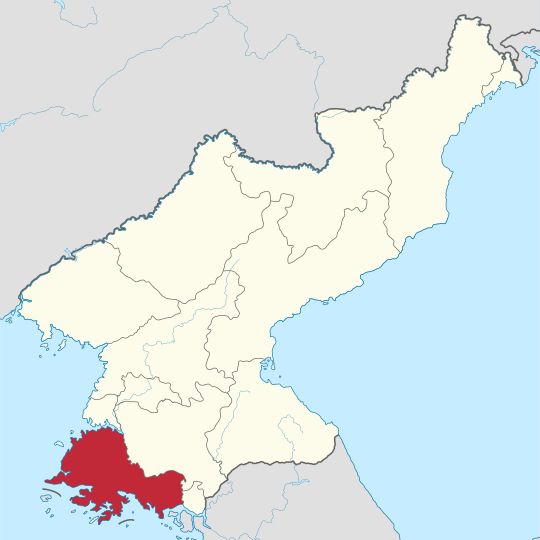
South Hwanghae Province, Administrative province in western North Korea
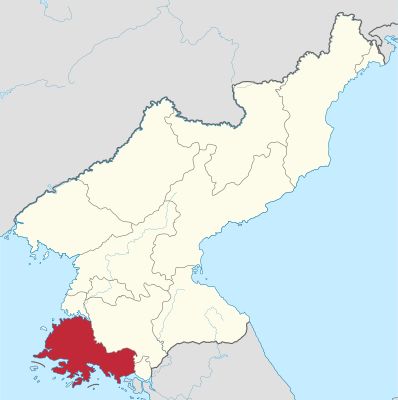
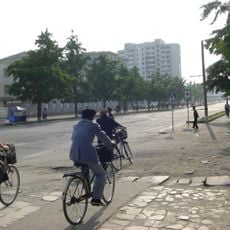
South Hwanghae Province is a region in western North Korea situated along the Yellow Sea coastline, characterized by numerous small islands and extensive flat terrain. The landscape consists primarily of agricultural plains interspersed with coastal areas and waterways.
The province was established in 1954 when the historic Hwanghae Province was divided into two separate administrative regions following the Korean Peninsula partition. This reorganization followed the establishment of modern borders between North and South Korea.
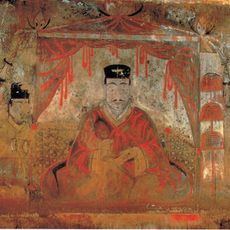
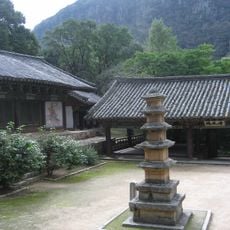
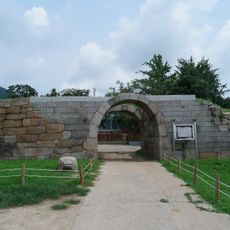
The region contains multiple archaeological sites, including iron age dolmens, Koguryo tombs, and the Kangsosa Buddhist temple with stone pagodas.
Haeju, the provincial capital, serves as the primary port facility and main point for maritime traffic in the southern part of the country. Access to the region is limited and subject to official restrictions.
Kwail County within the province features specialized fruit orchards that have shaped local agriculture for decades. These cultivation areas remain central to the region's food supply and farming practices.
The community of curious travelers
AroundUs brings together thousands of curated places, local tips, and hidden gems, enriched daily by 90,823 contributors worldwide.