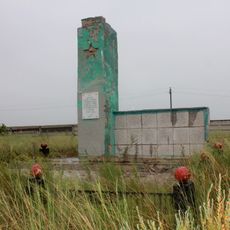
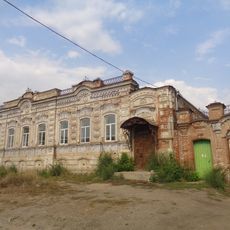
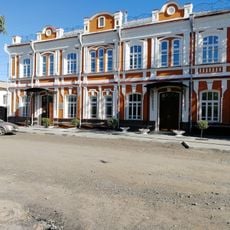
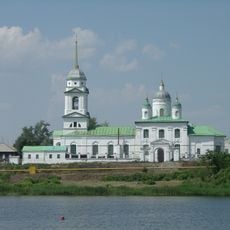
Karatomarskoe vodokhranilische, Stausee in Kasachstan
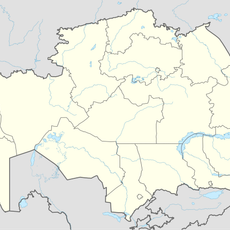
Karatomarskoe reservoir is a freshwater body in the Kostanai Region of northern Kazakhstan, formed by damming a tributary of the Tobol River. It sits in a flat steppe setting, with shores made mostly of grass and loose soil.
The reservoir was built in 1966 to supply water to settlements and mining operations across northern Kazakhstan. It replaced a stretch of open steppe that had been used by local communities for generations.
Fishermen from nearby villages come regularly to cast their lines along the shore, making fishing one of the most visible everyday uses of this place. The water also feeds irrigation channels that cross the surrounding farmland, connecting the reservoir directly to what people grow and eat.
The shoreline can be reached by dirt roads and tracks that cross the open steppe, but the ground near the water can be soft, so sturdy footwear is a good idea. Water levels shift with the seasons, which can change how much of the shore is accessible or dry underfoot.
When water levels drop far enough, the tops of Kurgan burial mounds from the Sintashta culture become visible just above the surface, offering a rare glimpse of what lies beneath. These mounds were built thousands of years ago by one of the earliest known societies on the Eurasian steppe.
The community of curious travelers
AroundUs brings together thousands of curated places, local tips, and hidden gems, enriched daily by 60,000 contributors worldwide.