Sarepta, Ancient Phoenician settlement near Mediterranean coast, Lebanon
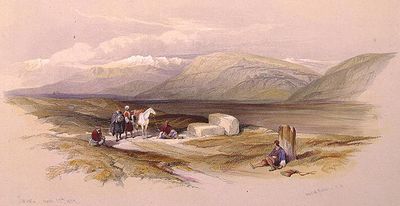
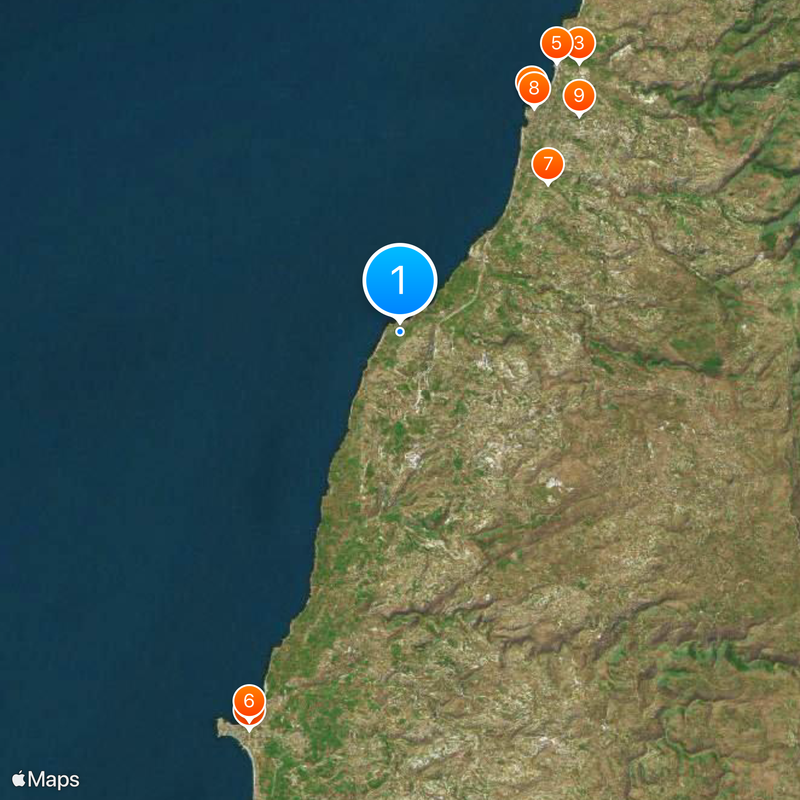
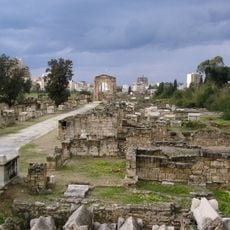
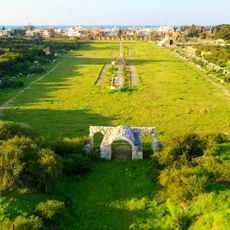
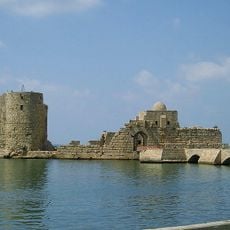
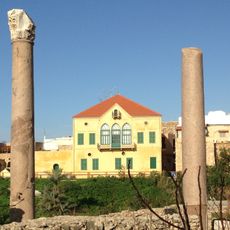
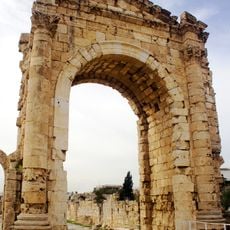
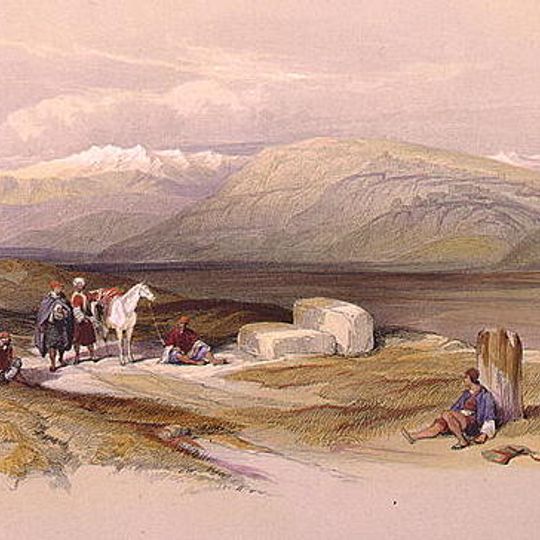
Sarepta is an ancient Phoenician settlement on the Lebanese Mediterranean coast between Sidon and Tyre, stretching across two promontories. The ruins display remains of harbors, marble columns, and sarcophagi scattered across an expansive area.
Excavations between 1969 and 1974 uncovered about two dozen pottery kilns, indicating continuous settlement from around 1300 BCE. The findings reveal how this place was inhabited and economically active throughout the Iron Age.
The site served as a major center for purple dye production, evidenced by remnants of dye workshops still visible today. The craftsmanship techniques practiced here reveal how active the commercial life was in this coastal settlement.
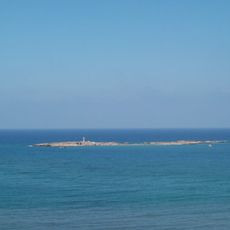
The site lies near the modern village of Sarafand and spreads across large grounds beside the sea that can be explored on foot. It is best to wear sturdy footwear and approach uneven surfaces with care.
Excavations revealed a shrine with an ivory plaque dedicated to the goddess Tanit, representing the first known depiction of this Phoenician deity in her homeland. This discovery changed understanding of Phoenician religious practices and their broader Mediterranean connections.
The community of curious travelers
AroundUs brings together thousands of curated places, local tips, and hidden gems, enriched daily by 60,000 contributors worldwide.