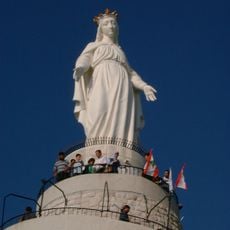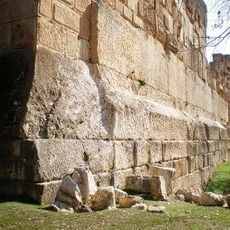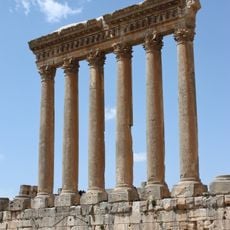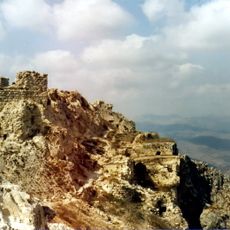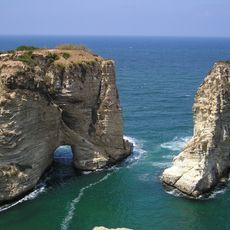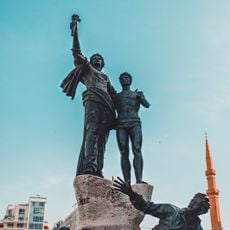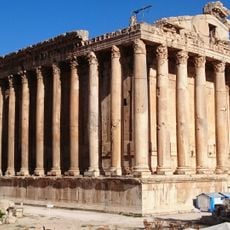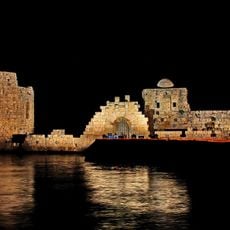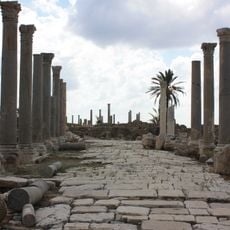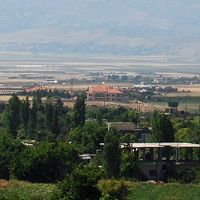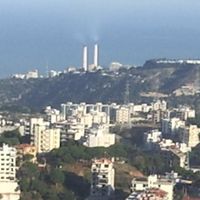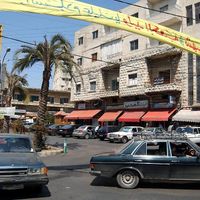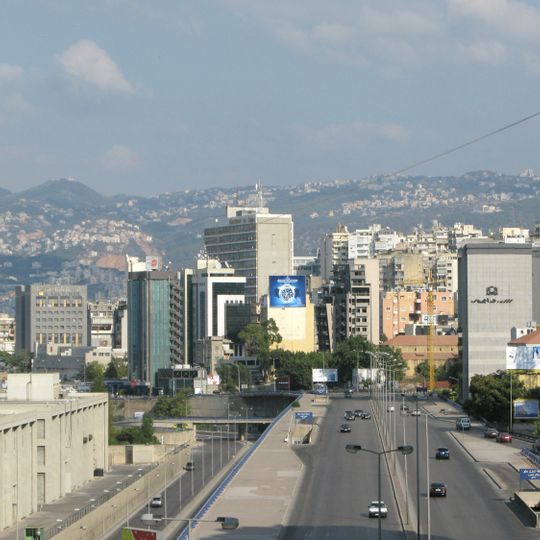
Lebanon, Mediterranean country in Middle East.
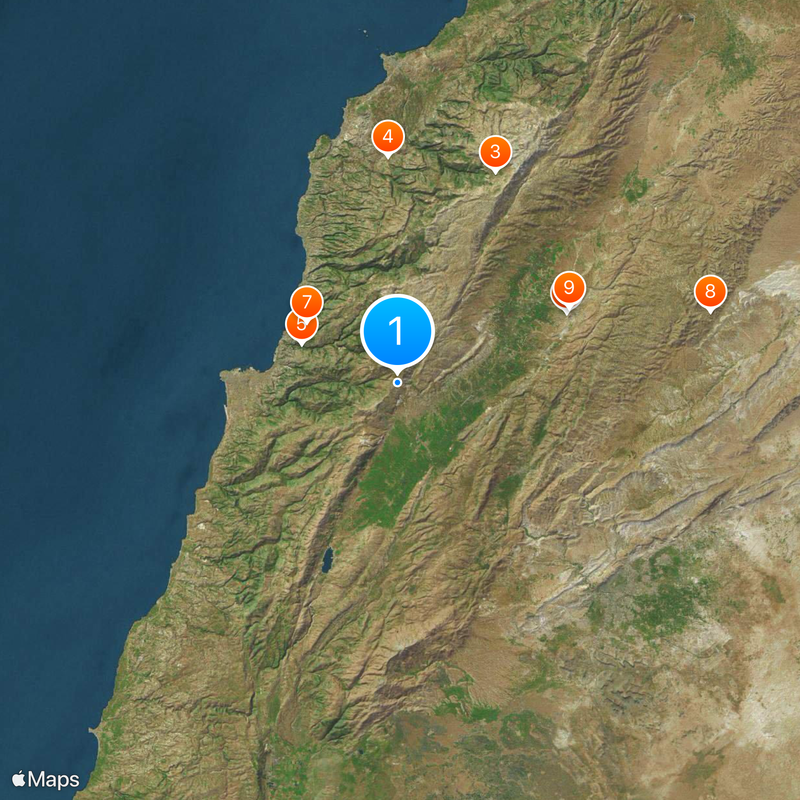
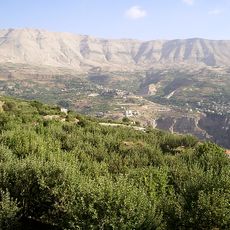
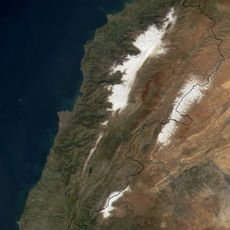
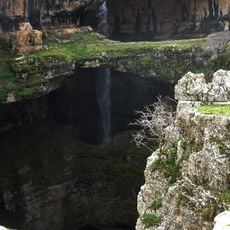
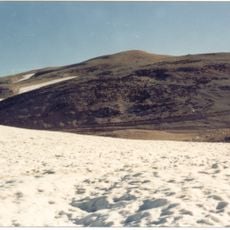
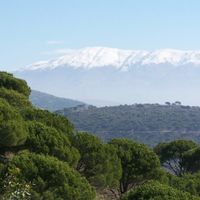
Lebanon is a Mediterranean state in Western Asia that stretches along the Levantine coast over roughly 10,450 square kilometers (4,030 square miles). The terrain rises from sea level to two parallel mountain ranges that carry snow in winter and offer dry summer conditions.
After centuries under Ottoman control, the territory became a French mandate in 1920 and gained independence on November 22, 1943. A National Pact at that time regulated power distribution among confessional groups and continues to shape the political system today.
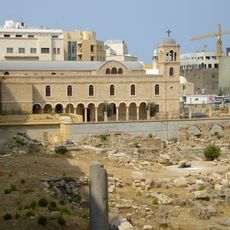
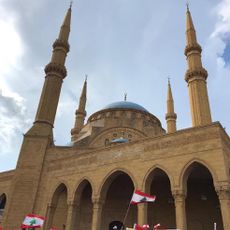
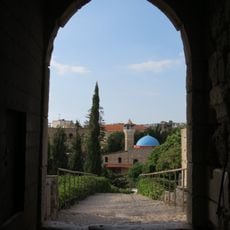
Eighteen recognized religious communities shape daily coexistence and leave their marks on architecture, food, and celebrations. Churches and mosques stand side by side, and religious traditions permeate everyday routines, influencing one another in the way spaces are used and festivals are observed.
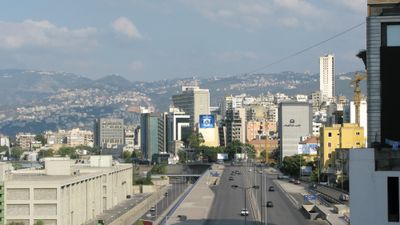
Beirut serves as the main entry point with an international airport and seaport, while journeys between coast and mountains are possible within a few hours. The short distances and changing elevations allow for rapid climatic shifts in a single day.
Cedar forests that once supplied timber for Phoenician vessels and Solomon's temple now survive in protected high-altitude zones. They appear as the national symbol on the flag and remain part of collective memory.
The community of curious travelers
AroundUs brings together thousands of curated places, local tips, and hidden gems, enriched daily by 60,000 contributors worldwide.