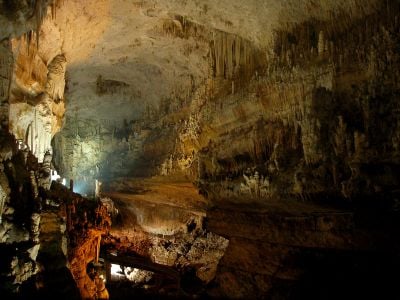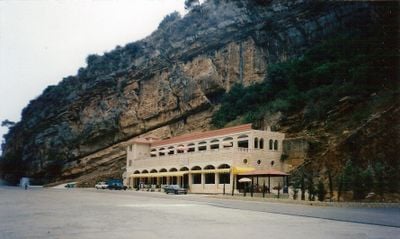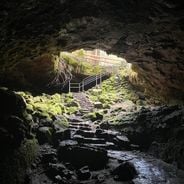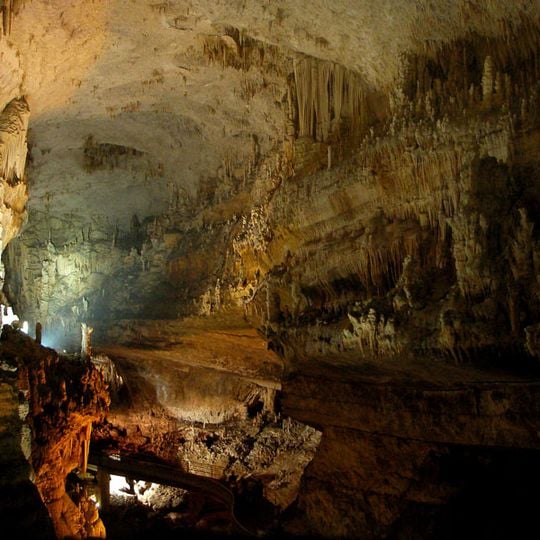
Jeita Grotto, Limestone cave system in Keserwan District, Lebanon.
The grotto extends over nine kilometers through limestone formations, containing an upper gallery for walking and a lower section accessed by boat.
American missionary William Thompson first ventured 50 meters into the lower cave in 1836, reaching the underground river and marking its modern discovery.
The cave appears on Lebanese stamps since 1961, becoming a national symbol and primary natural attraction for both domestic and international travelers.
The cave system offers guided tours, electric trains between caves, cable car access, restaurants, souvenir shops, and parking facilities.
The lower cave contains an underground river providing drinking water to more than one million residents in the surrounding region.
Location: Keserwan District
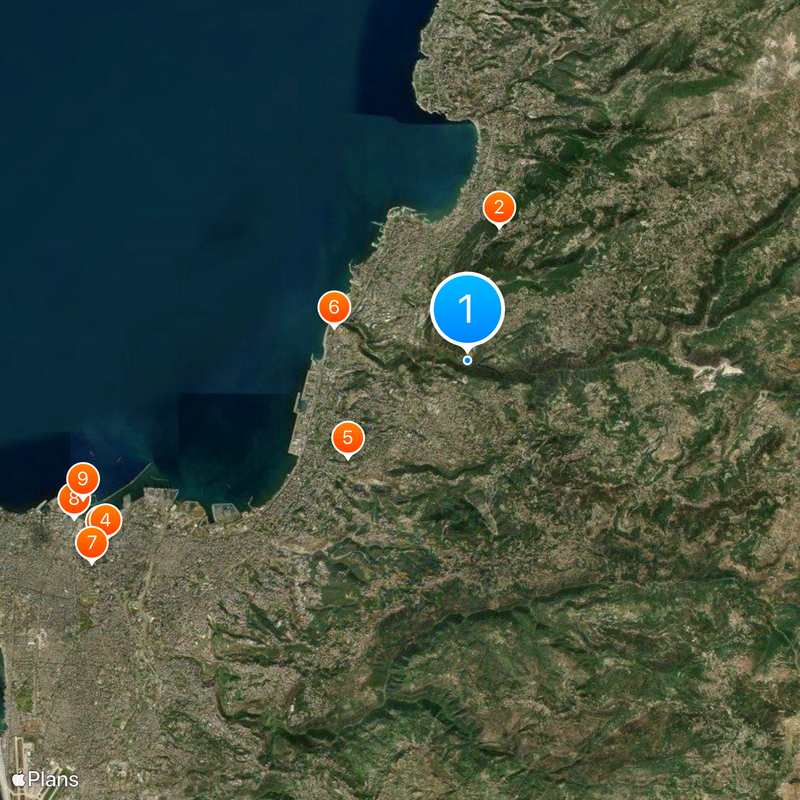
GPS coordinates: 33.94392,35.64061
Latest update: May 26, 2025 20:59
Lebanon preserves thousands of years of human settlement through archaeological sites and museum collections spread across the country. Phoenician ruins are adjacent to Roman monuments, while medieval fortresses mark periods of the Crusades and Ottoman rule. In Beirut, the National Museum houses artifacts covering all the country's historical eras, and the Mim Mineral Museum displays over 2,000 specimens from around the world. Along the coast, Sidon features a 13th-century maritime fortress and the Echmoun temple, a Phoenician complex built in the 7th century BCE. Collections extend well beyond classical archaeology. The Saint-Joseph University Prehistory Museum documents prehistoric occupation in Lebanon, while the Byblos Fossil Museum showcases more than 200 petrified specimens illustrating regional geological history. These institutions provide a thorough overview of the human and natural evolution of this Mediterranean area, from early settlements to Ottoman and modern periods.
This collection presents geological formations created through natural processes over millions of years. From layered sandstone waves in Arizona to volcanic basalt columns in Northern Ireland, these locations demonstrate Earth's geological diversity. Erosion, tectonic activity, and mineral deposits have shaped landscapes that provide insights into our planet's history. The selection includes limestone caves in New Zealand with glowworms, thermal springs in Turkey with travertine terraces, and colored rock formations in China created by iron-rich minerals. Visitors will find glacier caves in Iceland, canyons in Utah, and salt pans in Namibia. Each location documents specific geological processes and offers opportunities to explore different rock formations and natural phenomena.
Caves form through gradual geological processes that can span millions of years. Water dissolves limestone and creates underground chambers filled with stalactites and stalagmites, while ice caves in alpine regions maintain their frozen formations even during summer months. Each cave system tells a distinct story about the forces that shaped it, from chemical erosion to tectonic shifts that exposed new rock layers to underground rivers. This collection includes some of the most geologically significant caves on Earth. Carlsbad Caverns in New Mexico encompasses more than 30 miles (48 kilometers) of passages filled with mineral formations, while Mammoth Cave in Kentucky extends over 400 miles (650 kilometers) through limestone bedrock. Eisriesenwelt in Austria stretches 26 miles (42 kilometers) and contains ice structures that reform each winter. Reed Flute Cave in Guilin showcases limestone formations that began developing 180 million years ago. Waitomo Caves in New Zealand are home to thousands of glowworms that light the darkness with bioluminescence. Puerto Princesa in the Philippines features an underground river that flows 5 miles (8 kilometers) before reaching the sea. Several caves also preserve human history, including Lascaux in France with its 17,000-year-old paintings. These formations demonstrate how water, ice, and time create underground worlds that reveal both geological and cultural history.
Lebanon offers diverse photo opportunities, from natural limestone formations at Raouché to ancient Roman ruins in Baalbek. The country features underground caves at Jeita, medieval markets in Byblos, and historic cedar forests. Religious buildings, coastal fortresses, and traditional architecture in cities like Tripoli and Beirut present cultural heritage. Natural areas include the Qadisha Valley, Bekaa Valley vineyards, and Mediterranean beaches at Palm Islands Reserve.
Our Lady of Lebanon
4.3 km
Sursock Museum
12.8 km
Sursock House
12.7 km
Ksar Akil
4.8 km
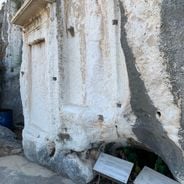
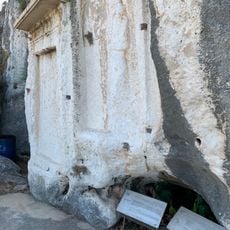
Commemorative stelae of Nahr el-Kalb
4.3 km
Phoenician port of Beirut
13.4 km
Beirut Castle
13.3 km
Beirut International Exhibition & Leisure Center
12.8 km
Martyrs’ Monument, Beirut
13.4 km
Fouad Chehab Stadium
4.9 km
Beirut Art Center
12.4 km
Maronite Catholic Archeparchy of Antelias
5.7 km
Ameen Rihani Museum
1.6 km
Emir Assaf Mosque
13.5 km
Nicolas Sursock Museum
12.8 km
Al-Majidiyyeh Mosque
13.5 km
Animal City
1.5 km
Rio Lento
2.9 km
Antelias Cathedral of Saint Gregory the Illuminator
5.9 km
Dream Park
3.2 km
Al Mandaloun
11.2 km
Monastery of St. John
8.7 km
St. Nicholas Greek Orthodox Church, Beirut
12.8 km
Water Gate Aqua Park
4.2 km
Armenian Genocide memorial
3.7 km
Saint Nicolas Stairs
12.8 km
Dongassia Park
8.8 km
Achrafieh Staircase
13.2 kmReviews
Visited this place? Tap the stars to rate it and share your experience / photos with the community! Try now! You can cancel it anytime.
Discover hidden gems everywhere you go!
From secret cafés to breathtaking viewpoints, skip the crowded tourist spots and find places that match your style. Our app makes it easy with voice search, smart filtering, route optimization, and insider tips from travelers worldwide. Download now for the complete mobile experience.
A unique approach to discovering new places❞
— Le Figaro
All the places worth exploring❞
— France Info
A tailor-made excursion in just a few clicks❞
— 20 Minutes