See the monuments around you in AROpen chests in the app
Around Us is built for your phone — point your camera at the streets and discover the monuments and places around you in augmented reality.Around Us is built for your phone — chests unlock when you walk, explore and capture nearby places.
Lebanon offers many subjects for photography, ranging from natural formations to historical monuments. The Raouché Rocks at Beirut rise from the sea, while the Jeita Grotto contains underground chambers with stalactites that visitors can explore. Ancient Roman structures stand at Baalbek, and the Cedars of God grow high in the mountains, having stood for thousands of years in the Lebanese landscape.
The older sections of cities reveal layers of history. Byblos Old Souk, in one of the world's oldest continuously inhabited cities, has narrow passages lined with traditional shops and craftspeople at work. Tripoli's old quarter contains the Mansouri Great Mosque and other buildings from the Mamluk period. Medieval fortresses such as the Sidon Sea Castle dot the coastline, testament to Lebanon's maritime past. Religious structures throughout the country, from mosques to monasteries, reflect the spiritual traditions of many communities.
The landscape provides additional subjects: the Qadisha Valley with its monasteries and sheer rock faces, the Bekaa Valley with vineyards stretching across plains, and the Palm Islands Nature Reserve near Tripoli with undisturbed coastal habitat. Museums in Beirut, including the National Museum and Sursock Museum, house art and artifacts. Religious sites like the Harissa statue and numerous monasteries scattered through valleys document Lebanon's spiritual heritage and the devotion of its people.
Lebanon offers many subjects for photography, ranging from natural formations to historical monuments. The Raouché Rocks at Beirut rise from the sea, while the Jeita Grotto contains underground chambers with stalactites that visitors can explore. Ancient Roman structures stand at Baalbek, and the Cedars of God grow high in the mountains, having stood for thousands of years in the Lebanese landscape.
The older sections of cities reveal layers of history. Byblos Old Souk, in one of the world's oldest continuously inhabited cities, has narrow passages lined with traditional shops and craftspeople at work. Tripoli's old quarter contains the Mansouri Great Mosque and other buildings from the Mamluk period. Medieval fortresses such as the Sidon Sea Castle dot the coastline, testament to Lebanon's maritime past. Religious structures throughout the country, from mosques to monasteries, reflect the spiritual traditions of many communities.
The landscape provides additional subjects: the Qadisha Valley with its monasteries and sheer rock faces, the Bekaa Valley with vineyards stretching across plains, and the Palm Islands Nature Reserve near Tripoli with undisturbed coastal habitat. Museums in Beirut, including the National Museum and Sursock Museum, house art and artifacts. Religious sites like the Harissa statue and numerous monasteries scattered through valleys document Lebanon's spiritual heritage and the devotion of its people.
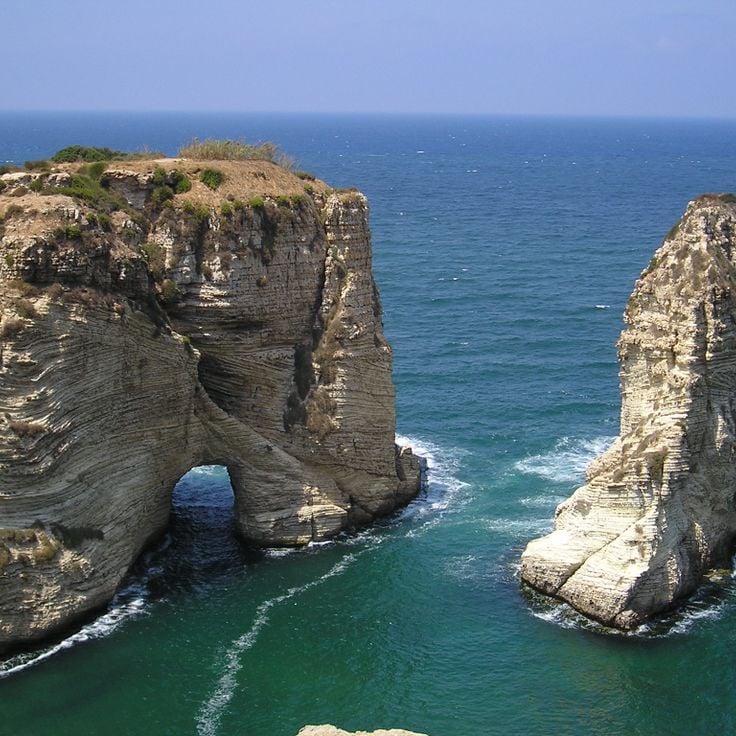
The Raouché Rocks are two large natural limestone formations that rise from the Mediterranean Sea along the western coast of Beirut. These distinctive rock towers offer excellent subjects for photographers documenting the country's natural landforms. The rocks are visible from the shore and create strong contrasts between stone and water, especially under different lighting conditions. They represent part of Lebanon's varied photography opportunities.
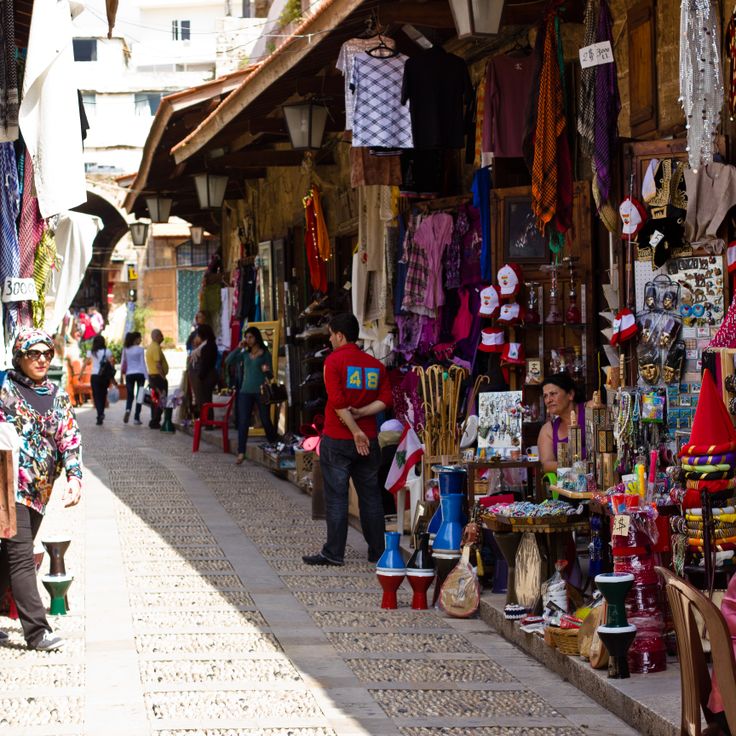
The old souk of Byblos is a medieval market with narrow streets lined with traditional shops selling spices, textiles, and handcrafted goods housed in historic stone buildings. This photography location captures everyday life in one of Lebanon's oldest cities, offering images of authentic architecture, local craftspeople at work, and colorful goods displayed in the shops.
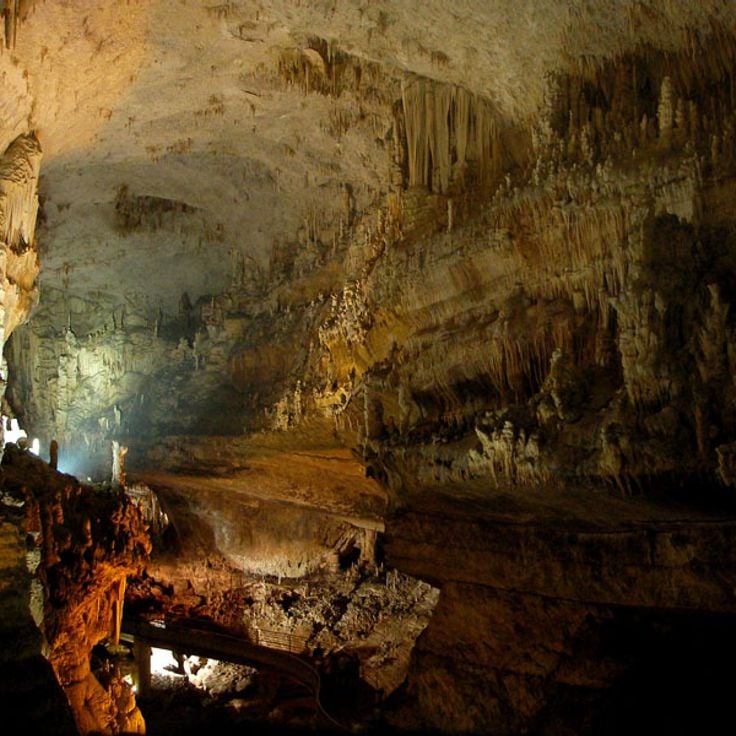
Jeita Grotto is a limestone cave system with two levels that offers remarkable photo opportunities for capturing Lebanon's natural formations. The underground rivers, waterfalls, and rock structures create compelling subjects for photography, making this subterranean site an important location for documenting the country's geological features.
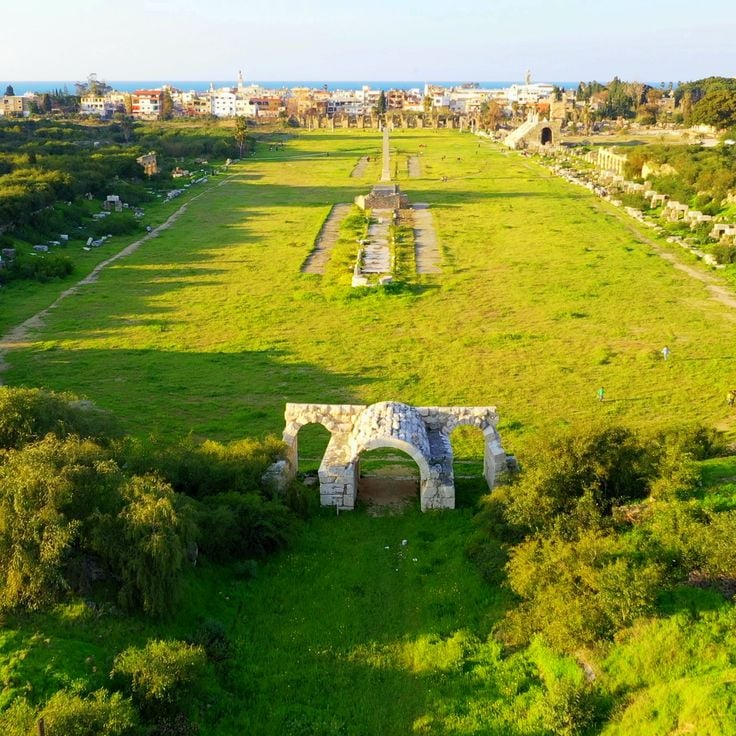
The Tyre Hippodrome is a second century Roman racing circuit that extends 480 meters in length. The stands once accommodated around 20,000 spectators. As a photography location, this structure reveals Lebanon's Roman past and adds to the country's range of historical sites, from ancient ruins at Baalbek to medieval markets in Byblos.
The Cedars of God are an ancient forest stand located at 1950 meters elevation in the Lebanon Mountains, home to cedar trees over 2000 years old. This protected natural area offers compelling photographic opportunities for those documenting Lebanon's natural heritage. The gnarled trunks and spreading branches of these old trees create striking visual compositions, and the mountain setting provides diverse shots that showcase the range of landscapes available across Lebanon.
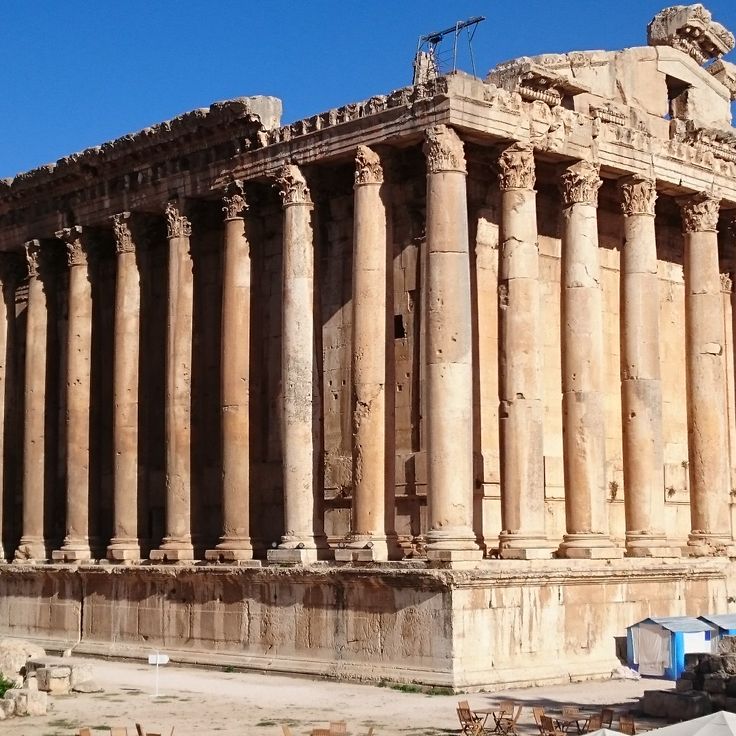
The Roman temple ruins at Baalbek are a superb location for photographing ancient architecture. This precinct contains six large colonnaded halls and sanctuaries built between the first and third centuries. The scale of the stone structures and their weathered surfaces create compelling subjects for photography.
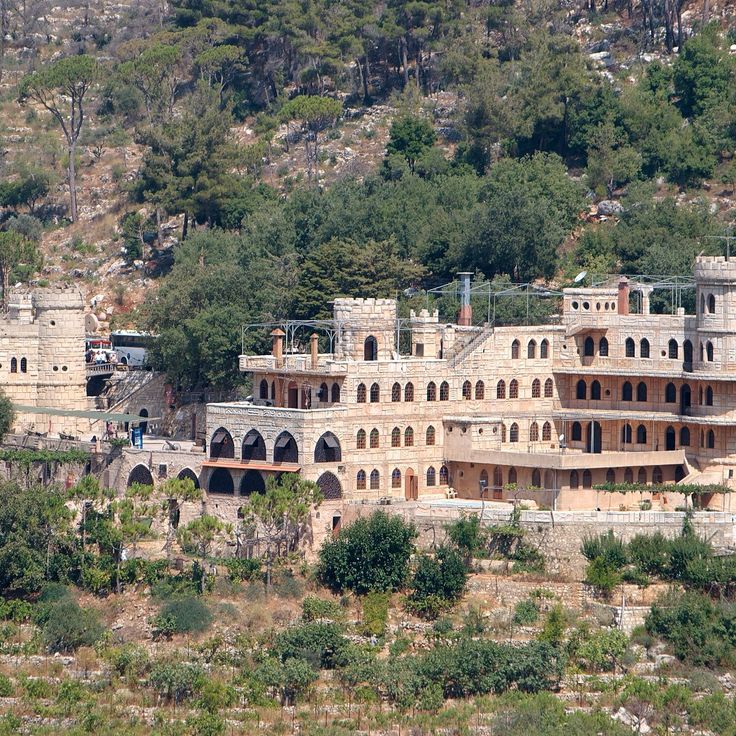
Moussa Castle in Deir El Qamar is an unusual structure built by a single person over 60 years. The architecture blends local building traditions with personal design elements, making it an interesting subject for photographers exploring the diverse cultural and architectural expressions found throughout Lebanon.
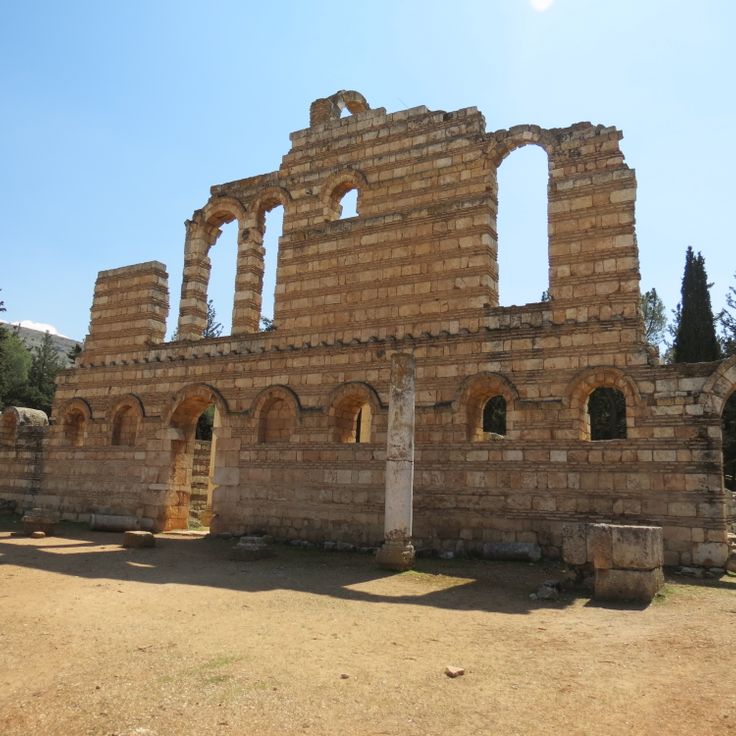
The Anjar Umayyad Ruins are an eighth-century archaeological site that displays typical features of Islamic palace architecture with columns, arches, and geometric decorations. This site offers photography opportunities that document the architectural refinement of that era. The ruins complement the diverse photo locations across Lebanon, from ancient Roman remains in Baalbek to medieval markets in Byblos.
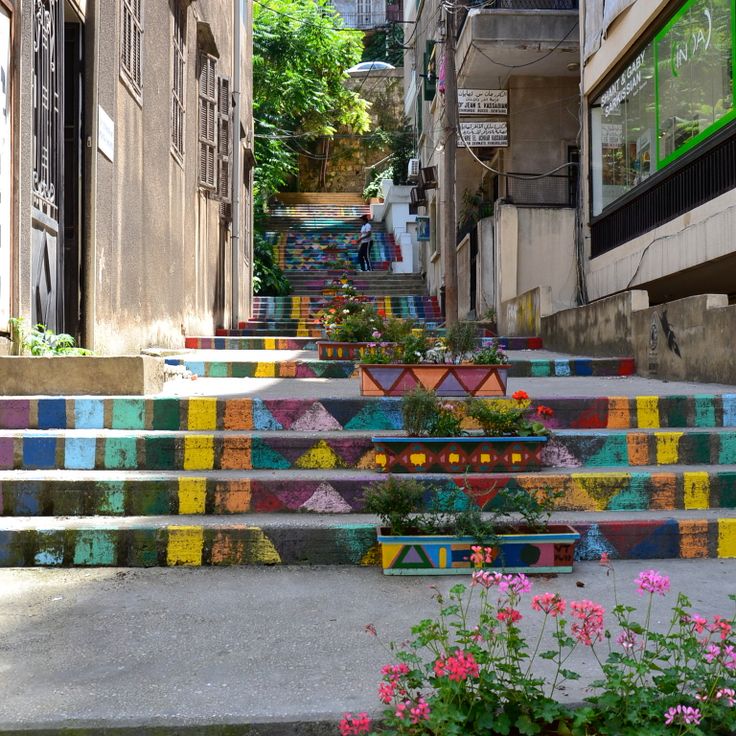
The Achrafieh Staircase is a historical stone stairway in Beirut that connects Saint Nicholas Street to Independence Street. Local artists have decorated it with murals and graffiti that reflect the city's creative energy. This staircase captures the artistic expression of residents and offers compelling subjects for photographers interested in documenting Lebanon's urban culture and street art scene.
Batroun Old Town is a coastal destination for photographers seeking to capture traditional Mediterranean architecture and local harbor life. The town features narrow streets lined with stone houses from the 19th century and several Greek Orthodox churches. It fits well within Lebanon's photography locations, showcasing cultural sites, religious buildings, and the country's coastal character.
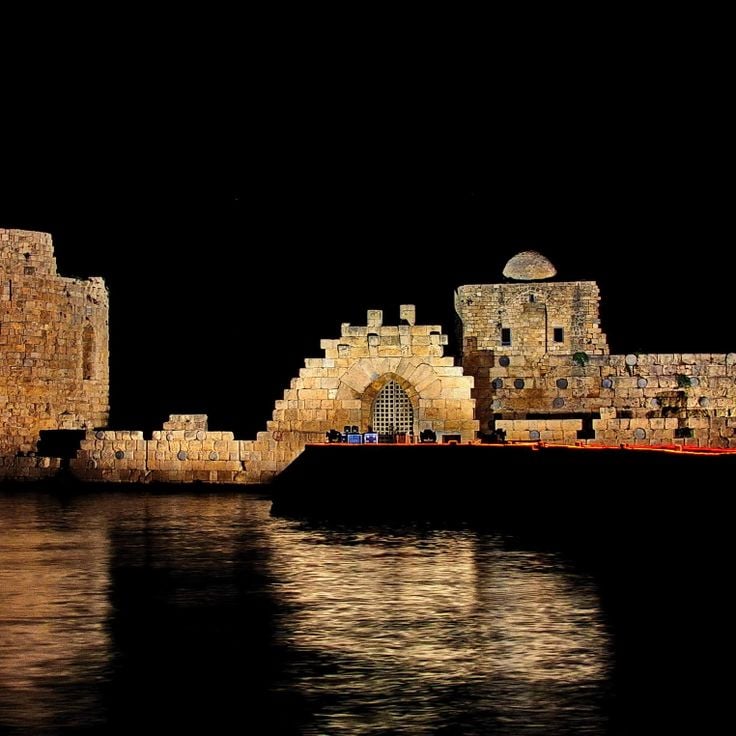
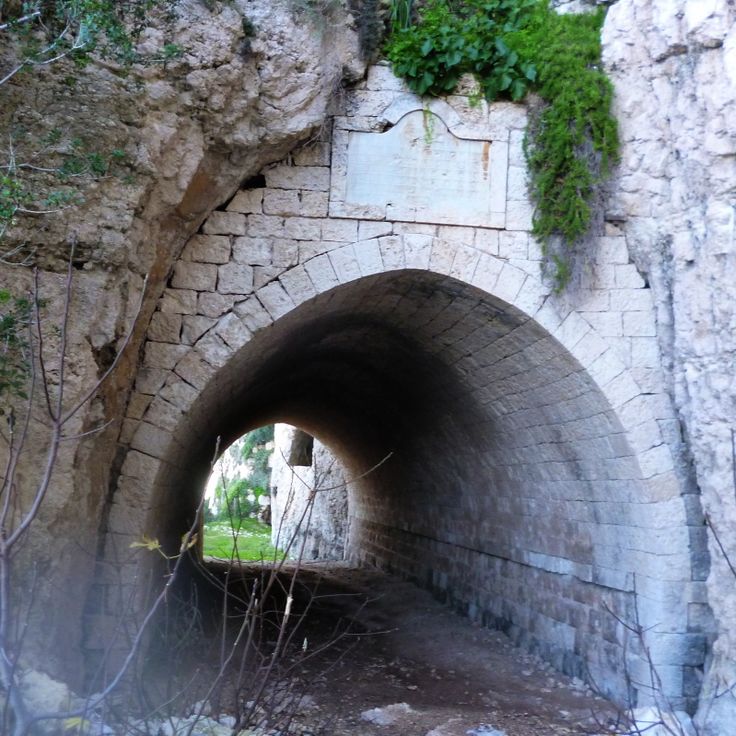
This fortress was built by crusaders on a rocky islet in the 13th century and connected to the mainland by a stone bridge. As a photography location, it showcases medieval construction and offers views of the Mediterranean Sea, making it an important site for documenting Lebanon's historic architecture and coastal fortifications.
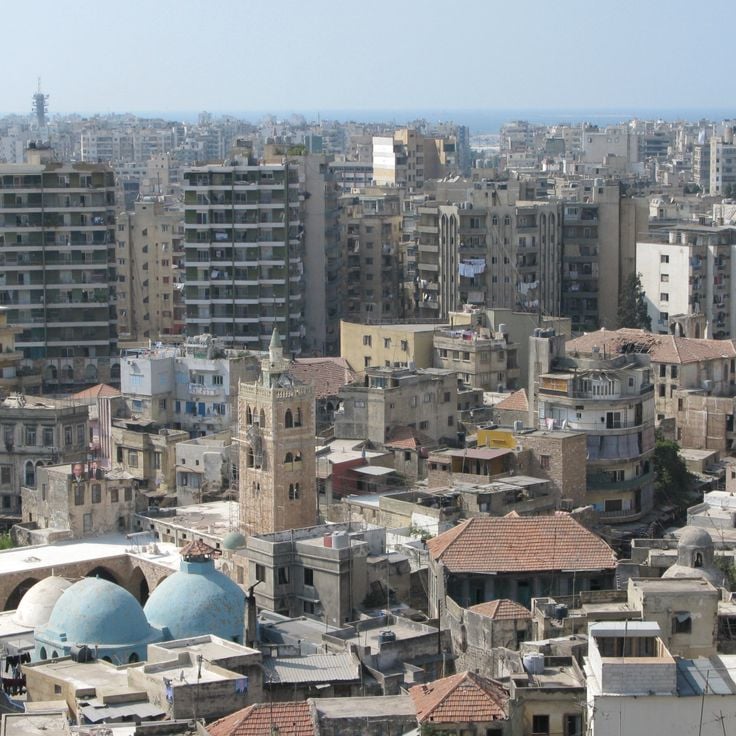
Tripoli Old City showcases medieval craftsmanship and daily life in Lebanon. Mosques, madrasas and hammams dating from the 13th century fill the narrow streets. The markets display traditional crafts and goods passed down through generations. This historic center is part of Lebanon's diverse photo opportunities, which range from ancient Roman ruins to coastal fortresses and mountain villages.
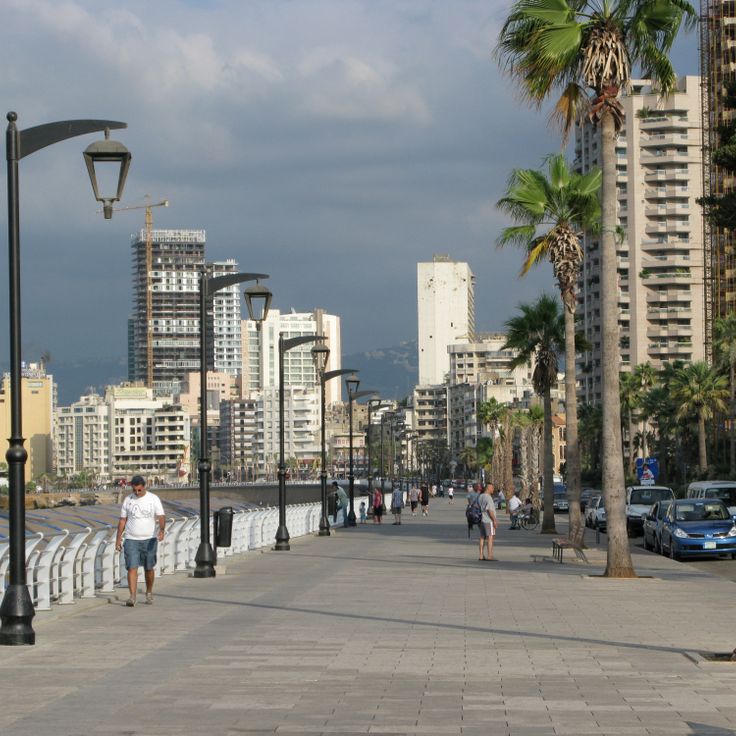
The Corniche is a four-kilometer waterfront promenade that stretches along the Mediterranean Sea in Beirut. It offers diverse photography subjects, including the distinctive Pigeon Rocks rock formations, street vendors, and everyday city life. This promenade captures how people interact with the waterfront and reflects the character of Beirut through its blend of natural features and urban activity.
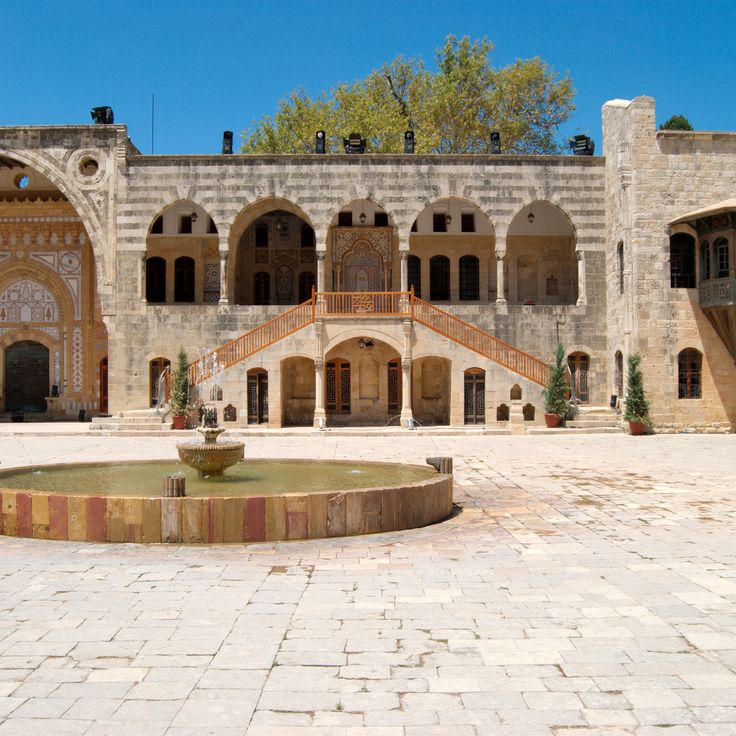
Beiteddine Palace is a 19th century Arab-Ottoman architectural monument with marble halls, decorated ceilings, mosaic floors and expansive courtyards featuring geometric gardens. This palace offers photographers the chance to capture the rich architectural details and design elements that define this period of Lebanese heritage.
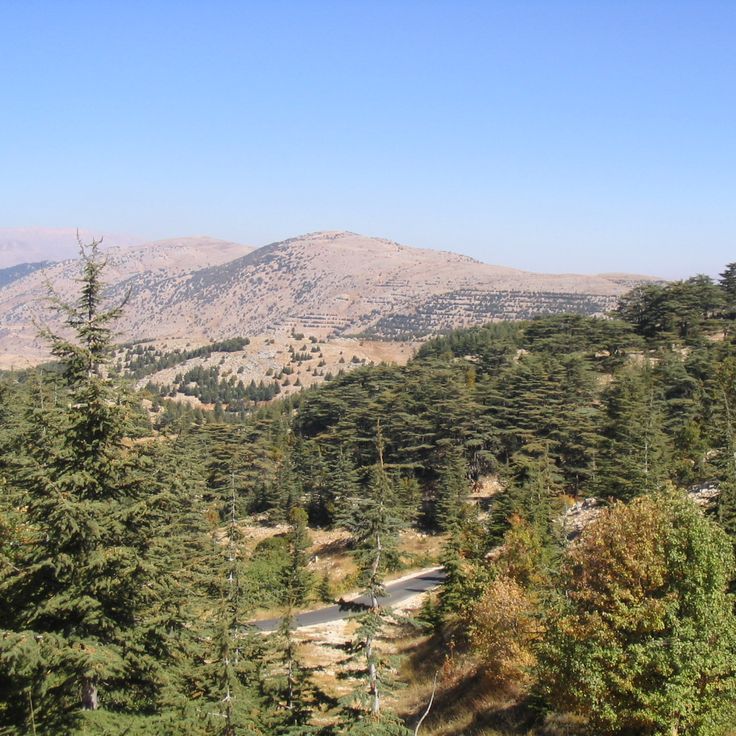
The Al Shouf Cedar Nature Reserve is a protected area in the Chouf District that shelters about one quarter of Lebanon's remaining cedar trees. This nature reserve offers photographers opportunities to capture ancient cedars in their natural setting along with the diverse plant life of the region. The landscape reveals the forested slopes characteristic of Lebanon and documents the conservation efforts protecting these important ecosystems.
The Khalil Gibran Museum in Bcharre displays manuscripts, paintings, and personal belongings of the renowned writer within a converted 19th century monastery. The museum documents the life and creative work of a major literary figure, offering insight into his artistic development and cultural contributions. The setting blends spiritual history with literary heritage, providing context for understanding this important writer's influence.
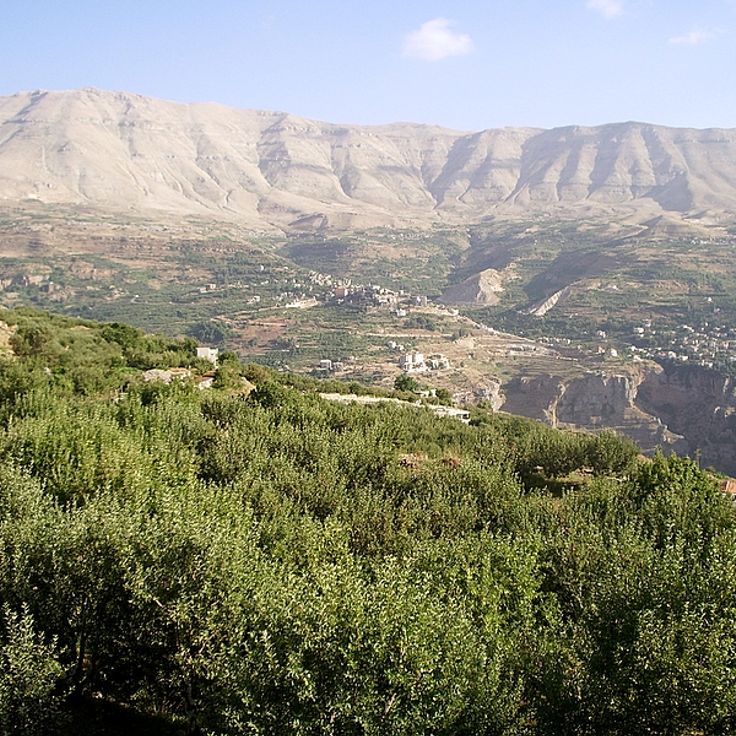
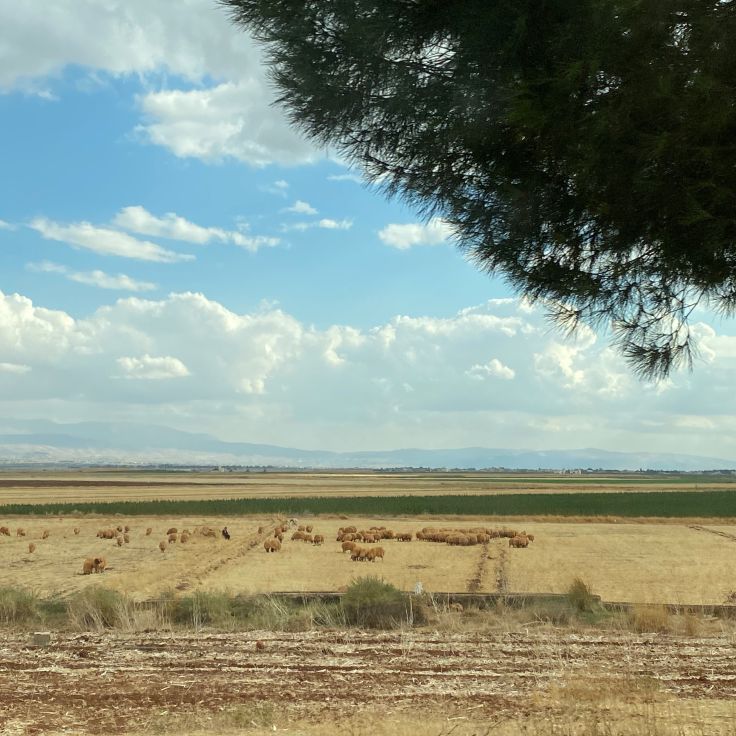
The Bekaa Valley is an agricultural region situated between the Lebanon and Anti-Lebanon mountain ranges, known for its vineyards, farming areas, and ancient temple complexes. For this photography collection of Lebanon, the valley offers both natural landscapes and historical structures that together create diverse photographic opportunities.
This military museum occupies a former military facility and displays weapons, military equipment, and documents from Lebanon's civil war between 1975 and 1990. For photographers, the museum offers insight into a significant period of the country's history, with exhibits that show the impact of the conflict on Lebanese society and land.
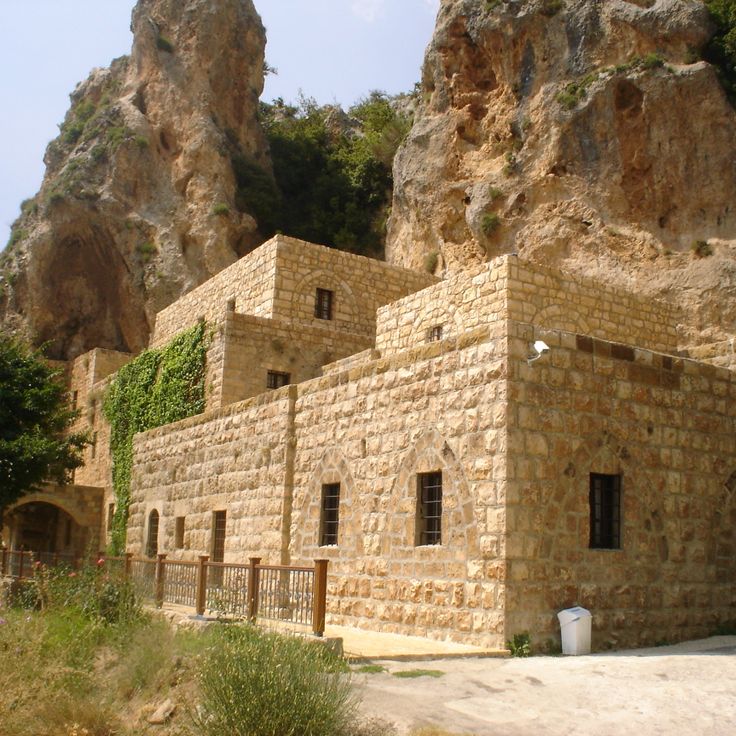
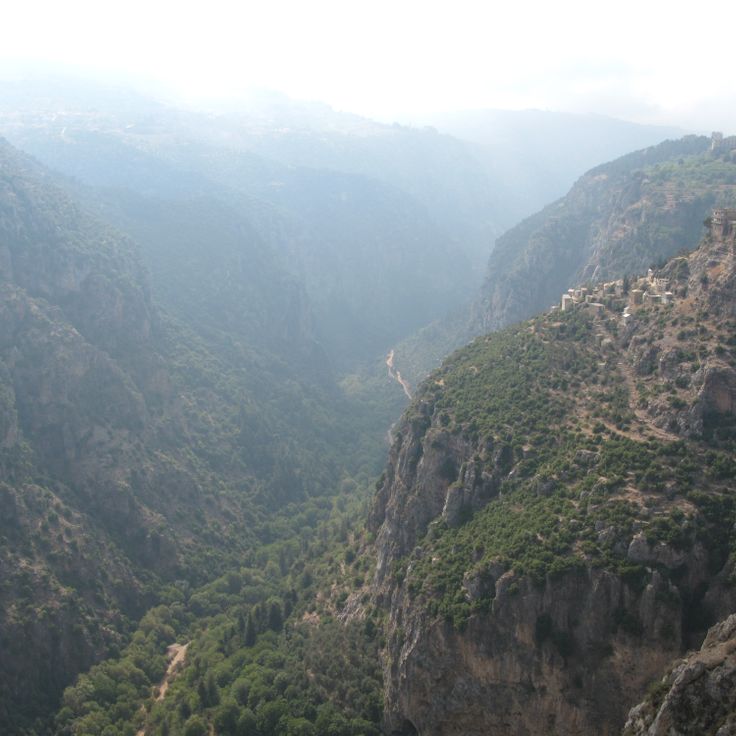
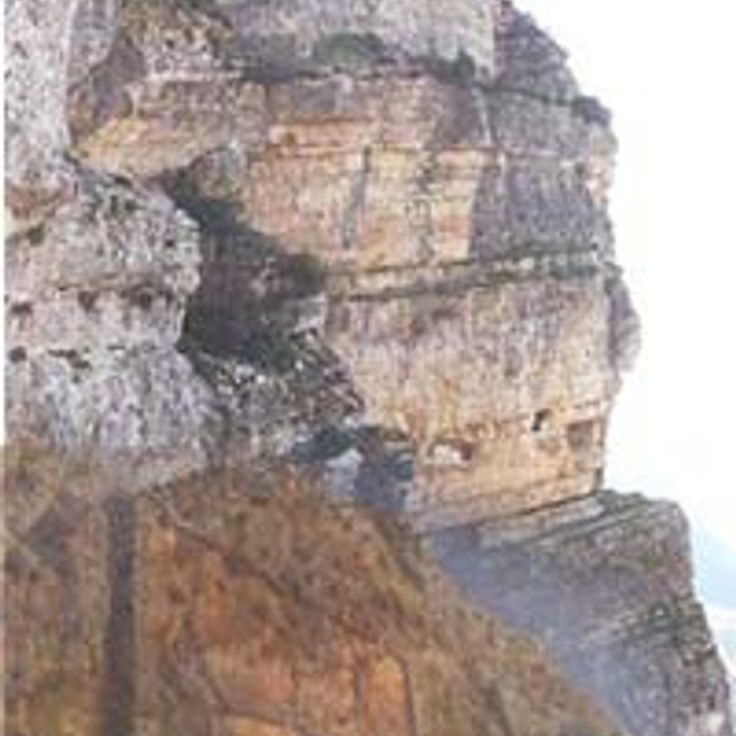
The Qadisha Valley in Lebanon's North Governorate is a key photography location showcasing the country's deep religious and monastic traditions. This valley holds numerous monasteries and religious sites built over many centuries. Monks carved their dwellings directly into the rocky cliff faces, creating a distinctive blend of human settlement and natural landscape. The valley is protected by UNESCO, making it an important destination for photographers seeking to capture religious architecture, layered history, and the relationship between communities and their environment.
Our Lady of Nourieh Monastery is a photography location in Lebanon that showcases the country's religious and cultural heritage. The Greek Orthodox monastery sits on a rocky cliff high above the Mediterranean Sea, offering views of the coastline and surrounding landscape. Its setting makes it an interesting place to explore the relationship between religious architecture and the natural environment.
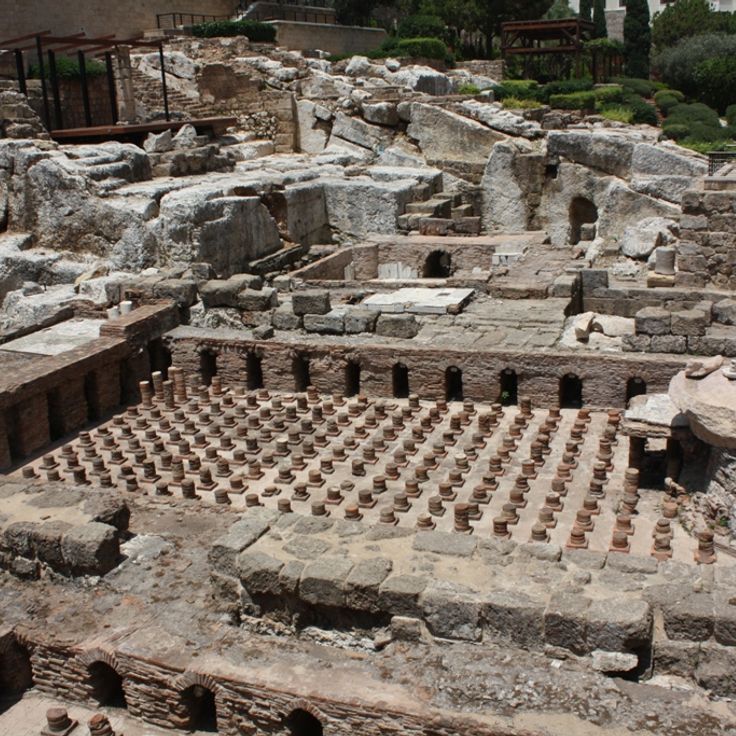
The Roman Baths of Beirut are an archaeological site from the 2nd century displaying remains of public bathing facilities with columns, water pipes and mosaic floors. This location offers photographers a glimpse into ancient Roman life and architecture, fitting within Lebanon's diverse photo opportunities that range from natural limestone formations at Raouché to ancient ruins and traditional architecture across cities like Tripoli and Beirut.
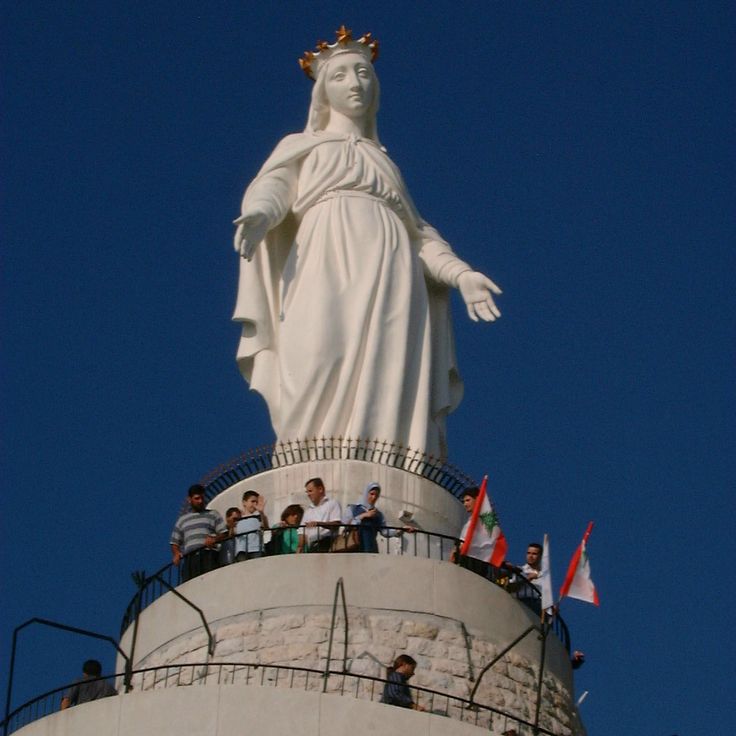
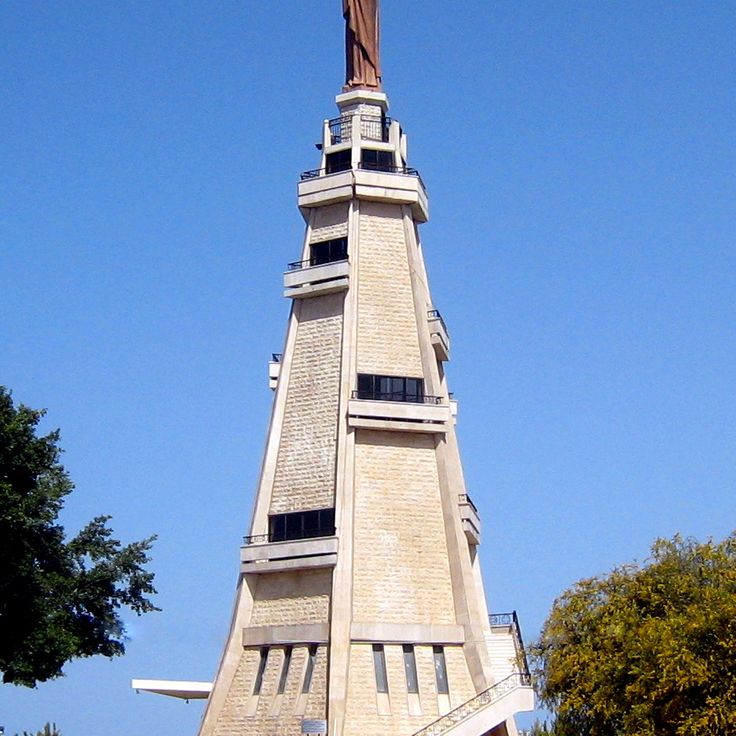
The Statue of Virgin Mary at Maghdouche stands on a hilltop and rises 20 meters high, offering views over the houses of Maghdouche and the Mediterranean Sea beyond. This monument is one of the religious structures that photographers can capture throughout Lebanon, presenting an opportunity to document how faith and landscape come together in this coastal region. The statue serves as a landmark that draws visitors seeking to photograph both the monument itself and the surrounding terrain.
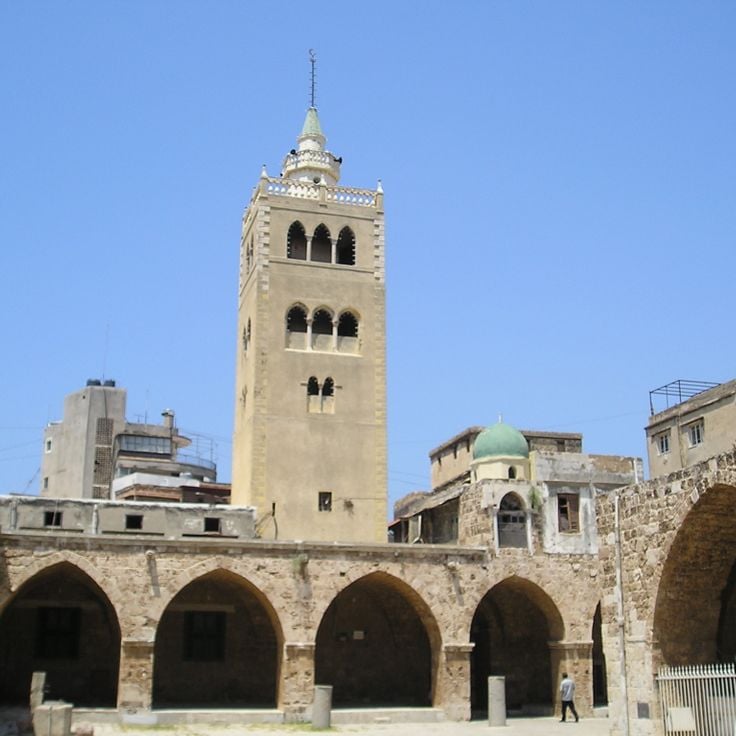
This 13th century mosque displays characteristic features of Mamluk religious architecture with its domes, minarets and geometric decorations. It represents the type of religious building that photographers seek out when documenting Lebanon's architectural legacy. The Mansouri Great Mosque stands in Tripoli's historic old city, where traditional structures and medieval design shape the urban landscape and offer rich visual opportunities for those recording the country's cultural heritage.
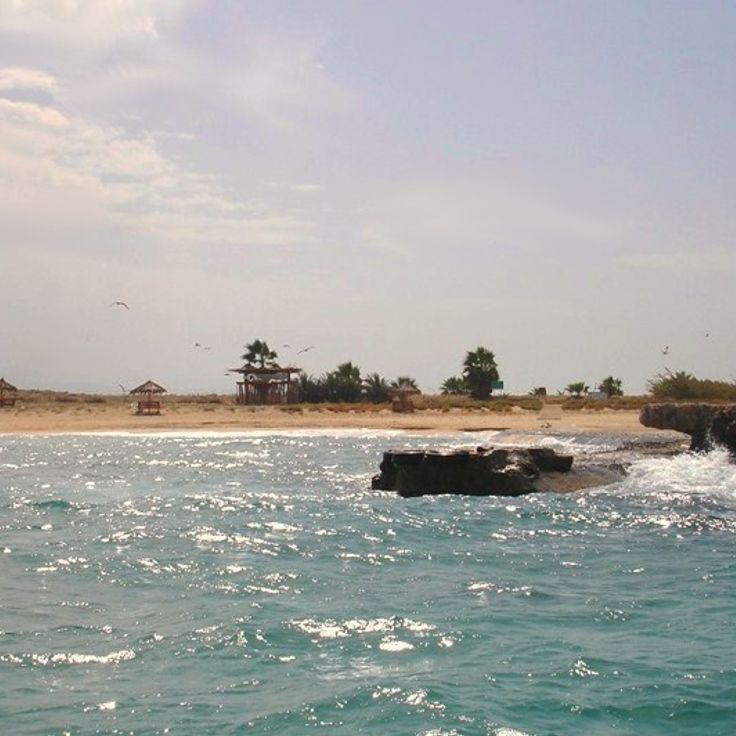
Rabbit Island is part of the Palm Islands Nature Reserve, located about 5.5 kilometers offshore from Tripoli. This island serves as a stopover for migratory birds and is home to Mediterranean monk seals. Several sand beaches allow for supervised visits. As a photography location in Lebanon, the island offers opportunities to capture wildlife and coastal landscapes.
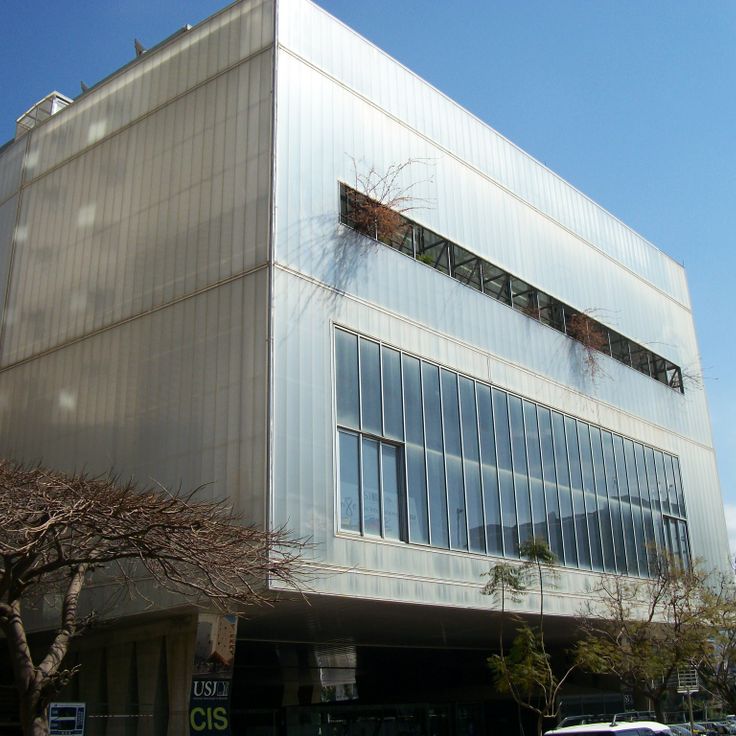
This private museum in Beirut houses a collection of over 2000 mineral specimens sourced from different regions across the world. The specimens are displayed in chronologically ordered showcases that guide visitors through the diversity of minerals and their geological origins. The museum documents the mineral wealth found in rock formations around the globe.
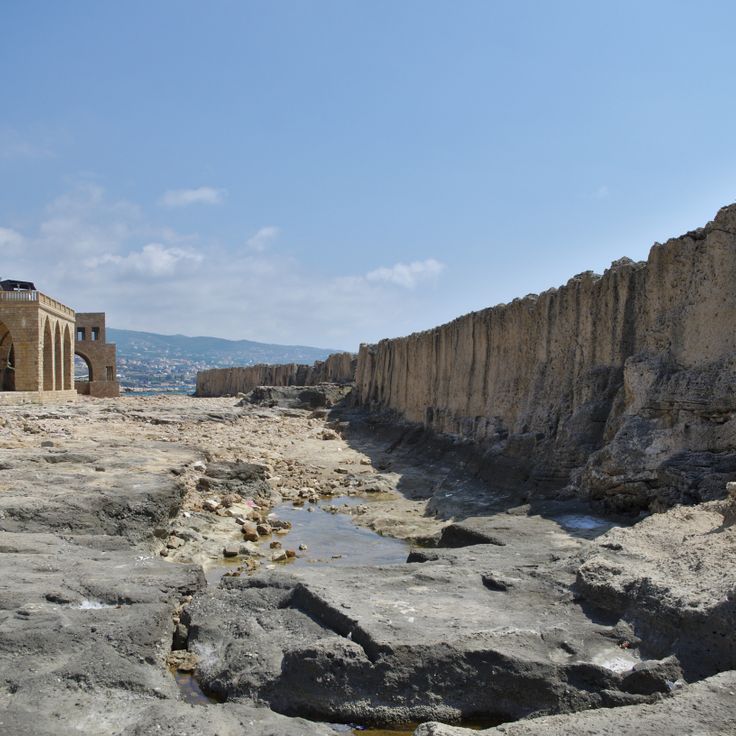
This Phoenician wall in Batroun dates to the 3rd century BC and shows the craftsmanship of an ancient civilization. The stone structure runs along the coast and was built to protect the harbor from sea currents. Today it offers photographers a window into Lebanon's ancient past and fits into the country's range of photo locations, from Roman ruins to natural limestone formations and cedar forests.
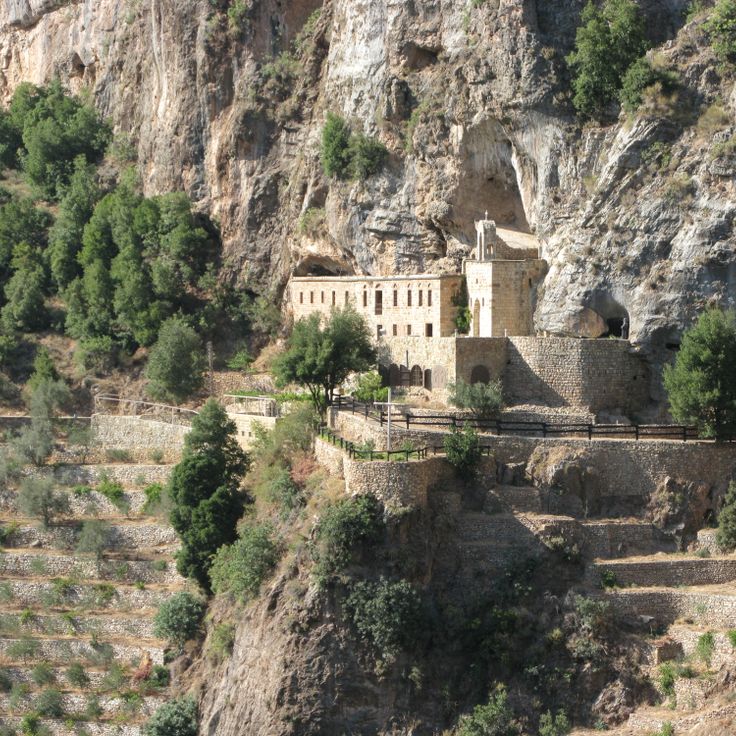
Mar Lichaa Monastery in Qadisha Valley offers photo opportunities for visitors interested in religious architecture and historical structures in Lebanon. The monastery sits on a rocky outcrop and comprises several buildings and a small chapel. Its location in Qadisha Valley makes it an important site for photographers documenting traditional religious buildings and mountainous terrain.
Niha Fortress stands on a ridge in the Chouf Mountains, serving as a medieval defensive structure built from local limestone. The walls and towers blend into the rocky mountain landscape. From this position, you can see across the mountains and valleys below. The fortress shows how people in this region protected their settlements during medieval times. It fits within Lebanon's range of photographic subjects, which include ancient Roman ruins, underground caves, and traditional villages. The limestone walls and towers tell the story of defensive architecture from centuries past.
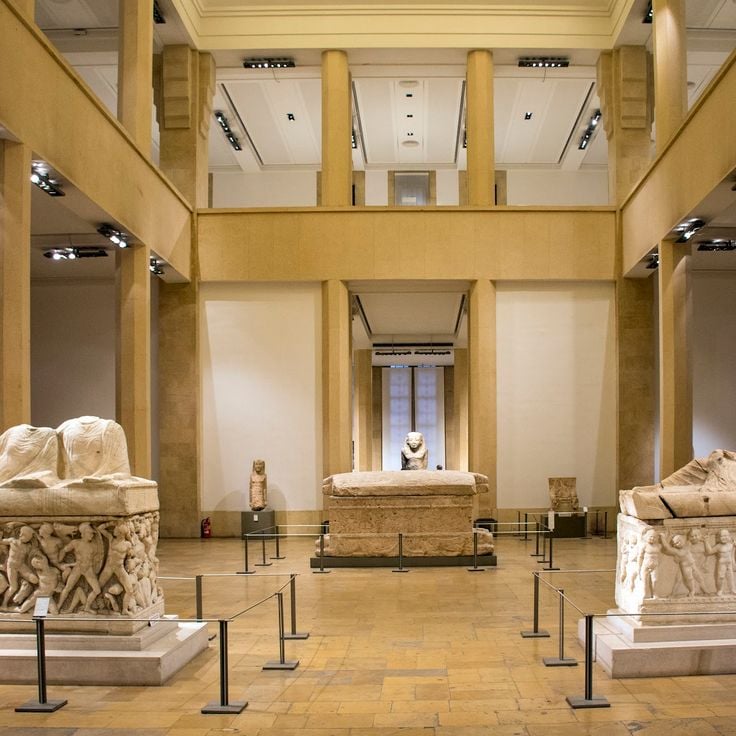
The National Museum of Beirut preserves objects from different periods in the country's past. This museum displays collections of Phoenician, Greek, and Roman artifacts, all discovered through archaeological digs across Lebanon. Many pieces come from sites like the Roman ruins at Baalbek, the ancient markets of Byblos, and other historical locations. Walking through the exhibits helps visitors understand the layers of history that shaped this region.
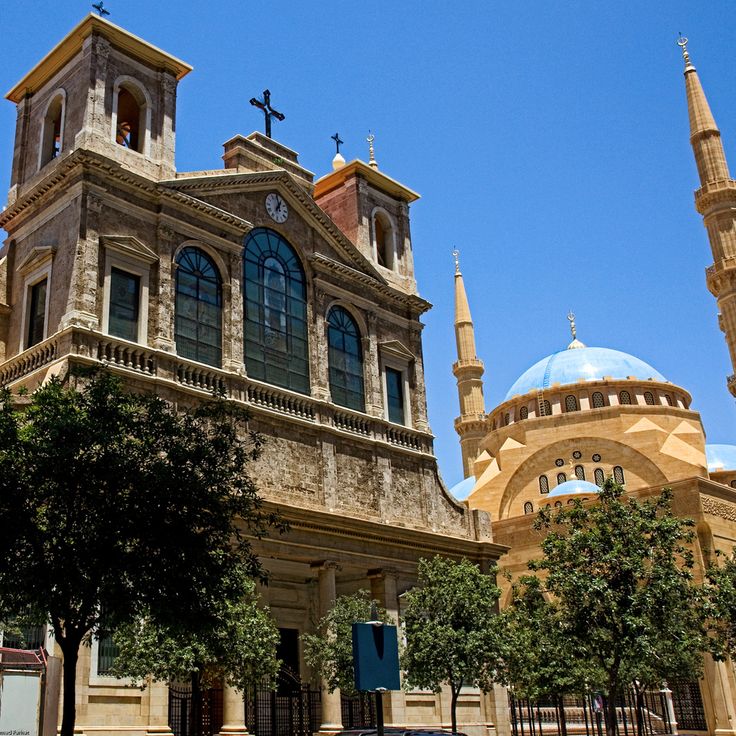
The Saint George Maronite Cathedral is a house of worship in central Beirut that draws photographers for its noteworthy architecture. As part of Lebanon's diverse religious buildings, this cathedral offers compelling visual opportunities to capture its facade and interior spaces. The structure reflects the religious history and architectural character of the city, fitting within the range of photography subjects available across Lebanon, from ancient ruins and coastal fortresses to traditional architecture in cities like Tripoli and Beirut.
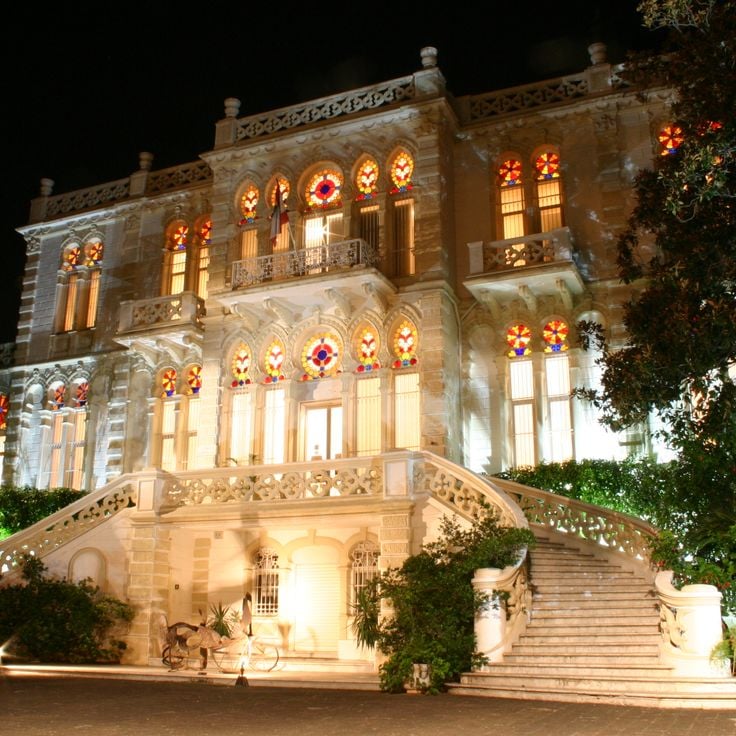
The Sursock Museum offers diverse photography opportunities for this collection of Lebanese locations. The museum is housed in a renovated 19th century villa that serves as a striking example of historical architecture. Regular exhibitions feature work by local and international artists, providing photographers with access to contemporary and modern art displays. The villa's design and the artwork within create visual interest for those documenting cultural sites throughout Lebanon.
The Shrine of Our Lady of Lebanon is a religious site standing on a hill that overlooks the Mediterranean coast. A bronze and lead statue of Mary, 8.5 meters tall, rises above the grounds. This location offers photographers the chance to capture religious architecture and the coastal landscape of Lebanon.
The Raouché Rocks are two large natural limestone formations that rise from the Mediterranean Sea along the western coast of Beirut. These distinctive rock towers offer excellent subjects for photographers documenting the country's natural landforms. The rocks are visible from the shore and create strong contrasts between stone and water, especially under different lighting conditions. They represent part of Lebanon's varied photography opportunities.
The old souk of Byblos is a medieval market with narrow streets lined with traditional shops selling spices, textiles, and handcrafted goods housed in historic stone buildings. This photography location captures everyday life in one of Lebanon's oldest cities, offering images of authentic architecture, local craftspeople at work, and colorful goods displayed in the shops.
Jeita Grotto is a limestone cave system with two levels that offers remarkable photo opportunities for capturing Lebanon's natural formations. The underground rivers, waterfalls, and rock structures create compelling subjects for photography, making this subterranean site an important location for documenting the country's geological features.
The Tyre Hippodrome is a second century Roman racing circuit that extends 480 meters in length. The stands once accommodated around 20,000 spectators. As a photography location, this structure reveals Lebanon's Roman past and adds to the country's range of historical sites, from ancient ruins at Baalbek to medieval markets in Byblos.
The Cedars of God are an ancient forest stand located at 1950 meters elevation in the Lebanon Mountains, home to cedar trees over 2000 years old. This protected natural area offers compelling photographic opportunities for those documenting Lebanon's natural heritage. The gnarled trunks and spreading branches of these old trees create striking visual compositions, and the mountain setting provides diverse shots that showcase the range of landscapes available across Lebanon.
The Roman temple ruins at Baalbek are a superb location for photographing ancient architecture. This precinct contains six large colonnaded halls and sanctuaries built between the first and third centuries. The scale of the stone structures and their weathered surfaces create compelling subjects for photography.
Moussa Castle in Deir El Qamar is an unusual structure built by a single person over 60 years. The architecture blends local building traditions with personal design elements, making it an interesting subject for photographers exploring the diverse cultural and architectural expressions found throughout Lebanon.
The Anjar Umayyad Ruins are an eighth-century archaeological site that displays typical features of Islamic palace architecture with columns, arches, and geometric decorations. This site offers photography opportunities that document the architectural refinement of that era. The ruins complement the diverse photo locations across Lebanon, from ancient Roman remains in Baalbek to medieval markets in Byblos.
The Achrafieh Staircase is a historical stone stairway in Beirut that connects Saint Nicholas Street to Independence Street. Local artists have decorated it with murals and graffiti that reflect the city's creative energy. This staircase captures the artistic expression of residents and offers compelling subjects for photographers interested in documenting Lebanon's urban culture and street art scene.
Batroun Old Town is a coastal destination for photographers seeking to capture traditional Mediterranean architecture and local harbor life. The town features narrow streets lined with stone houses from the 19th century and several Greek Orthodox churches. It fits well within Lebanon's photography locations, showcasing cultural sites, religious buildings, and the country's coastal character.
This fortress was built by crusaders on a rocky islet in the 13th century and connected to the mainland by a stone bridge. As a photography location, it showcases medieval construction and offers views of the Mediterranean Sea, making it an important site for documenting Lebanon's historic architecture and coastal fortifications.
Tripoli Old City showcases medieval craftsmanship and daily life in Lebanon. Mosques, madrasas and hammams dating from the 13th century fill the narrow streets. The markets display traditional crafts and goods passed down through generations. This historic center is part of Lebanon's diverse photo opportunities, which range from ancient Roman ruins to coastal fortresses and mountain villages.
The Corniche is a four-kilometer waterfront promenade that stretches along the Mediterranean Sea in Beirut. It offers diverse photography subjects, including the distinctive Pigeon Rocks rock formations, street vendors, and everyday city life. This promenade captures how people interact with the waterfront and reflects the character of Beirut through its blend of natural features and urban activity.
Beiteddine Palace is a 19th century Arab-Ottoman architectural monument with marble halls, decorated ceilings, mosaic floors and expansive courtyards featuring geometric gardens. This palace offers photographers the chance to capture the rich architectural details and design elements that define this period of Lebanese heritage.
The Al Shouf Cedar Nature Reserve is a protected area in the Chouf District that shelters about one quarter of Lebanon's remaining cedar trees. This nature reserve offers photographers opportunities to capture ancient cedars in their natural setting along with the diverse plant life of the region. The landscape reveals the forested slopes characteristic of Lebanon and documents the conservation efforts protecting these important ecosystems.
The Khalil Gibran Museum in Bcharre displays manuscripts, paintings, and personal belongings of the renowned writer within a converted 19th century monastery. The museum documents the life and creative work of a major literary figure, offering insight into his artistic development and cultural contributions. The setting blends spiritual history with literary heritage, providing context for understanding this important writer's influence.
The Bekaa Valley is an agricultural region situated between the Lebanon and Anti-Lebanon mountain ranges, known for its vineyards, farming areas, and ancient temple complexes. For this photography collection of Lebanon, the valley offers both natural landscapes and historical structures that together create diverse photographic opportunities.
This military museum occupies a former military facility and displays weapons, military equipment, and documents from Lebanon's civil war between 1975 and 1990. For photographers, the museum offers insight into a significant period of the country's history, with exhibits that show the impact of the conflict on Lebanese society and land.
The Qadisha Valley in Lebanon's North Governorate is a key photography location showcasing the country's deep religious and monastic traditions. This valley holds numerous monasteries and religious sites built over many centuries. Monks carved their dwellings directly into the rocky cliff faces, creating a distinctive blend of human settlement and natural landscape. The valley is protected by UNESCO, making it an important destination for photographers seeking to capture religious architecture, layered history, and the relationship between communities and their environment.
Our Lady of Nourieh Monastery is a photography location in Lebanon that showcases the country's religious and cultural heritage. The Greek Orthodox monastery sits on a rocky cliff high above the Mediterranean Sea, offering views of the coastline and surrounding landscape. Its setting makes it an interesting place to explore the relationship between religious architecture and the natural environment.
The Roman Baths of Beirut are an archaeological site from the 2nd century displaying remains of public bathing facilities with columns, water pipes and mosaic floors. This location offers photographers a glimpse into ancient Roman life and architecture, fitting within Lebanon's diverse photo opportunities that range from natural limestone formations at Raouché to ancient ruins and traditional architecture across cities like Tripoli and Beirut.
The Statue of Virgin Mary at Maghdouche stands on a hilltop and rises 20 meters high, offering views over the houses of Maghdouche and the Mediterranean Sea beyond. This monument is one of the religious structures that photographers can capture throughout Lebanon, presenting an opportunity to document how faith and landscape come together in this coastal region. The statue serves as a landmark that draws visitors seeking to photograph both the monument itself and the surrounding terrain.
This 13th century mosque displays characteristic features of Mamluk religious architecture with its domes, minarets and geometric decorations. It represents the type of religious building that photographers seek out when documenting Lebanon's architectural legacy. The Mansouri Great Mosque stands in Tripoli's historic old city, where traditional structures and medieval design shape the urban landscape and offer rich visual opportunities for those recording the country's cultural heritage.
Rabbit Island is part of the Palm Islands Nature Reserve, located about 5.5 kilometers offshore from Tripoli. This island serves as a stopover for migratory birds and is home to Mediterranean monk seals. Several sand beaches allow for supervised visits. As a photography location in Lebanon, the island offers opportunities to capture wildlife and coastal landscapes.
This private museum in Beirut houses a collection of over 2000 mineral specimens sourced from different regions across the world. The specimens are displayed in chronologically ordered showcases that guide visitors through the diversity of minerals and their geological origins. The museum documents the mineral wealth found in rock formations around the globe.
This Phoenician wall in Batroun dates to the 3rd century BC and shows the craftsmanship of an ancient civilization. The stone structure runs along the coast and was built to protect the harbor from sea currents. Today it offers photographers a window into Lebanon's ancient past and fits into the country's range of photo locations, from Roman ruins to natural limestone formations and cedar forests.
Mar Lichaa Monastery in Qadisha Valley offers photo opportunities for visitors interested in religious architecture and historical structures in Lebanon. The monastery sits on a rocky outcrop and comprises several buildings and a small chapel. Its location in Qadisha Valley makes it an important site for photographers documenting traditional religious buildings and mountainous terrain.
Niha Fortress stands on a ridge in the Chouf Mountains, serving as a medieval defensive structure built from local limestone. The walls and towers blend into the rocky mountain landscape. From this position, you can see across the mountains and valleys below. The fortress shows how people in this region protected their settlements during medieval times. It fits within Lebanon's range of photographic subjects, which include ancient Roman ruins, underground caves, and traditional villages. The limestone walls and towers tell the story of defensive architecture from centuries past.
The National Museum of Beirut preserves objects from different periods in the country's past. This museum displays collections of Phoenician, Greek, and Roman artifacts, all discovered through archaeological digs across Lebanon. Many pieces come from sites like the Roman ruins at Baalbek, the ancient markets of Byblos, and other historical locations. Walking through the exhibits helps visitors understand the layers of history that shaped this region.
The Saint George Maronite Cathedral is a house of worship in central Beirut that draws photographers for its noteworthy architecture. As part of Lebanon's diverse religious buildings, this cathedral offers compelling visual opportunities to capture its facade and interior spaces. The structure reflects the religious history and architectural character of the city, fitting within the range of photography subjects available across Lebanon, from ancient ruins and coastal fortresses to traditional architecture in cities like Tripoli and Beirut.
The Sursock Museum offers diverse photography opportunities for this collection of Lebanese locations. The museum is housed in a renovated 19th century villa that serves as a striking example of historical architecture. Regular exhibitions feature work by local and international artists, providing photographers with access to contemporary and modern art displays. The villa's design and the artwork within create visual interest for those documenting cultural sites throughout Lebanon.
The Shrine of Our Lady of Lebanon is a religious site standing on a hill that overlooks the Mediterranean coast. A bronze and lead statue of Mary, 8.5 meters tall, rises above the grounds. This location offers photographers the chance to capture religious architecture and the coastal landscape of Lebanon.
The Raouché Rocks are two large natural limestone formations that rise from the Mediterranean Sea along the western coast of Beirut. These distinctive rock towers offer excellent subjects for photographers documenting the country's natural landforms. The rocks are visible from the shore and create strong contrasts between stone and water, especially under different lighting conditions. They represent part of Lebanon's varied photography opportunities.
The old souk of Byblos is a medieval market with narrow streets lined with traditional shops selling spices, textiles, and handcrafted goods housed in historic stone buildings. This photography location captures everyday life in one of Lebanon's oldest cities, offering images of authentic architecture, local craftspeople at work, and colorful goods displayed in the shops.
Jeita Grotto is a limestone cave system with two levels that offers remarkable photo opportunities for capturing Lebanon's natural formations. The underground rivers, waterfalls, and rock structures create compelling subjects for photography, making this subterranean site an important location for documenting the country's geological features.
The Tyre Hippodrome is a second century Roman racing circuit that extends 480 meters in length. The stands once accommodated around 20,000 spectators. As a photography location, this structure reveals Lebanon's Roman past and adds to the country's range of historical sites, from ancient ruins at Baalbek to medieval markets in Byblos.
The Cedars of God are an ancient forest stand located at 1950 meters elevation in the Lebanon Mountains, home to cedar trees over 2000 years old. This protected natural area offers compelling photographic opportunities for those documenting Lebanon's natural heritage. The gnarled trunks and spreading branches of these old trees create striking visual compositions, and the mountain setting provides diverse shots that showcase the range of landscapes available across Lebanon.
The Roman temple ruins at Baalbek are a superb location for photographing ancient architecture. This precinct contains six large colonnaded halls and sanctuaries built between the first and third centuries. The scale of the stone structures and their weathered surfaces create compelling subjects for photography.
Moussa Castle in Deir El Qamar is an unusual structure built by a single person over 60 years. The architecture blends local building traditions with personal design elements, making it an interesting subject for photographers exploring the diverse cultural and architectural expressions found throughout Lebanon.
The Anjar Umayyad Ruins are an eighth-century archaeological site that displays typical features of Islamic palace architecture with columns, arches, and geometric decorations. This site offers photography opportunities that document the architectural refinement of that era. The ruins complement the diverse photo locations across Lebanon, from ancient Roman remains in Baalbek to medieval markets in Byblos.
The Achrafieh Staircase is a historical stone stairway in Beirut that connects Saint Nicholas Street to Independence Street. Local artists have decorated it with murals and graffiti that reflect the city's creative energy. This staircase captures the artistic expression of residents and offers compelling subjects for photographers interested in documenting Lebanon's urban culture and street art scene.
Batroun Old Town is a coastal destination for photographers seeking to capture traditional Mediterranean architecture and local harbor life. The town features narrow streets lined with stone houses from the 19th century and several Greek Orthodox churches. It fits well within Lebanon's photography locations, showcasing cultural sites, religious buildings, and the country's coastal character.
This fortress was built by crusaders on a rocky islet in the 13th century and connected to the mainland by a stone bridge. As a photography location, it showcases medieval construction and offers views of the Mediterranean Sea, making it an important site for documenting Lebanon's historic architecture and coastal fortifications.
Tripoli Old City showcases medieval craftsmanship and daily life in Lebanon. Mosques, madrasas and hammams dating from the 13th century fill the narrow streets. The markets display traditional crafts and goods passed down through generations. This historic center is part of Lebanon's diverse photo opportunities, which range from ancient Roman ruins to coastal fortresses and mountain villages.
The Corniche is a four-kilometer waterfront promenade that stretches along the Mediterranean Sea in Beirut. It offers diverse photography subjects, including the distinctive Pigeon Rocks rock formations, street vendors, and everyday city life. This promenade captures how people interact with the waterfront and reflects the character of Beirut through its blend of natural features and urban activity.
Beiteddine Palace is a 19th century Arab-Ottoman architectural monument with marble halls, decorated ceilings, mosaic floors and expansive courtyards featuring geometric gardens. This palace offers photographers the chance to capture the rich architectural details and design elements that define this period of Lebanese heritage.
The Al Shouf Cedar Nature Reserve is a protected area in the Chouf District that shelters about one quarter of Lebanon's remaining cedar trees. This nature reserve offers photographers opportunities to capture ancient cedars in their natural setting along with the diverse plant life of the region. The landscape reveals the forested slopes characteristic of Lebanon and documents the conservation efforts protecting these important ecosystems.
The Khalil Gibran Museum in Bcharre displays manuscripts, paintings, and personal belongings of the renowned writer within a converted 19th century monastery. The museum documents the life and creative work of a major literary figure, offering insight into his artistic development and cultural contributions. The setting blends spiritual history with literary heritage, providing context for understanding this important writer's influence.
The Bekaa Valley is an agricultural region situated between the Lebanon and Anti-Lebanon mountain ranges, known for its vineyards, farming areas, and ancient temple complexes. For this photography collection of Lebanon, the valley offers both natural landscapes and historical structures that together create diverse photographic opportunities.
This military museum occupies a former military facility and displays weapons, military equipment, and documents from Lebanon's civil war between 1975 and 1990. For photographers, the museum offers insight into a significant period of the country's history, with exhibits that show the impact of the conflict on Lebanese society and land.
The Qadisha Valley in Lebanon's North Governorate is a key photography location showcasing the country's deep religious and monastic traditions. This valley holds numerous monasteries and religious sites built over many centuries. Monks carved their dwellings directly into the rocky cliff faces, creating a distinctive blend of human settlement and natural landscape. The valley is protected by UNESCO, making it an important destination for photographers seeking to capture religious architecture, layered history, and the relationship between communities and their environment.
Our Lady of Nourieh Monastery is a photography location in Lebanon that showcases the country's religious and cultural heritage. The Greek Orthodox monastery sits on a rocky cliff high above the Mediterranean Sea, offering views of the coastline and surrounding landscape. Its setting makes it an interesting place to explore the relationship between religious architecture and the natural environment.
The Roman Baths of Beirut are an archaeological site from the 2nd century displaying remains of public bathing facilities with columns, water pipes and mosaic floors. This location offers photographers a glimpse into ancient Roman life and architecture, fitting within Lebanon's diverse photo opportunities that range from natural limestone formations at Raouché to ancient ruins and traditional architecture across cities like Tripoli and Beirut.
The Statue of Virgin Mary at Maghdouche stands on a hilltop and rises 20 meters high, offering views over the houses of Maghdouche and the Mediterranean Sea beyond. This monument is one of the religious structures that photographers can capture throughout Lebanon, presenting an opportunity to document how faith and landscape come together in this coastal region. The statue serves as a landmark that draws visitors seeking to photograph both the monument itself and the surrounding terrain.
This 13th century mosque displays characteristic features of Mamluk religious architecture with its domes, minarets and geometric decorations. It represents the type of religious building that photographers seek out when documenting Lebanon's architectural legacy. The Mansouri Great Mosque stands in Tripoli's historic old city, where traditional structures and medieval design shape the urban landscape and offer rich visual opportunities for those recording the country's cultural heritage.
Rabbit Island is part of the Palm Islands Nature Reserve, located about 5.5 kilometers offshore from Tripoli. This island serves as a stopover for migratory birds and is home to Mediterranean monk seals. Several sand beaches allow for supervised visits. As a photography location in Lebanon, the island offers opportunities to capture wildlife and coastal landscapes.
This private museum in Beirut houses a collection of over 2000 mineral specimens sourced from different regions across the world. The specimens are displayed in chronologically ordered showcases that guide visitors through the diversity of minerals and their geological origins. The museum documents the mineral wealth found in rock formations around the globe.
This Phoenician wall in Batroun dates to the 3rd century BC and shows the craftsmanship of an ancient civilization. The stone structure runs along the coast and was built to protect the harbor from sea currents. Today it offers photographers a window into Lebanon's ancient past and fits into the country's range of photo locations, from Roman ruins to natural limestone formations and cedar forests.
Mar Lichaa Monastery in Qadisha Valley offers photo opportunities for visitors interested in religious architecture and historical structures in Lebanon. The monastery sits on a rocky outcrop and comprises several buildings and a small chapel. Its location in Qadisha Valley makes it an important site for photographers documenting traditional religious buildings and mountainous terrain.
Niha Fortress stands on a ridge in the Chouf Mountains, serving as a medieval defensive structure built from local limestone. The walls and towers blend into the rocky mountain landscape. From this position, you can see across the mountains and valleys below. The fortress shows how people in this region protected their settlements during medieval times. It fits within Lebanon's range of photographic subjects, which include ancient Roman ruins, underground caves, and traditional villages. The limestone walls and towers tell the story of defensive architecture from centuries past.
The National Museum of Beirut preserves objects from different periods in the country's past. This museum displays collections of Phoenician, Greek, and Roman artifacts, all discovered through archaeological digs across Lebanon. Many pieces come from sites like the Roman ruins at Baalbek, the ancient markets of Byblos, and other historical locations. Walking through the exhibits helps visitors understand the layers of history that shaped this region.
The Saint George Maronite Cathedral is a house of worship in central Beirut that draws photographers for its noteworthy architecture. As part of Lebanon's diverse religious buildings, this cathedral offers compelling visual opportunities to capture its facade and interior spaces. The structure reflects the religious history and architectural character of the city, fitting within the range of photography subjects available across Lebanon, from ancient ruins and coastal fortresses to traditional architecture in cities like Tripoli and Beirut.
The Sursock Museum offers diverse photography opportunities for this collection of Lebanese locations. The museum is housed in a renovated 19th century villa that serves as a striking example of historical architecture. Regular exhibitions feature work by local and international artists, providing photographers with access to contemporary and modern art displays. The villa's design and the artwork within create visual interest for those documenting cultural sites throughout Lebanon.
The Shrine of Our Lady of Lebanon is a religious site standing on a hill that overlooks the Mediterranean coast. A bronze and lead statue of Mary, 8.5 meters tall, rises above the grounds. This location offers photographers the chance to capture religious architecture and the coastal landscape of Lebanon.