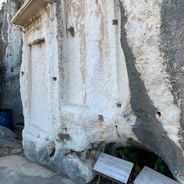
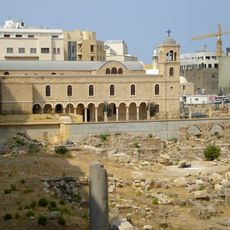
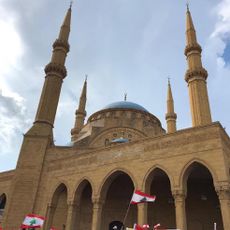
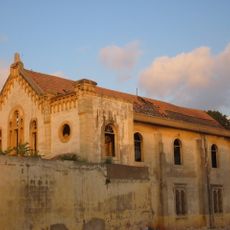
Roman Baths, Beirut, Ancient thermal complex in Downtown Beirut, Lebanon
The Roman Baths in Beirut is an ancient thermal complex featuring stone columns, underground chambers, and preserved heating systems from the classical period. The structure reveals how Romans used advanced engineering to maintain warm water circulation through large public buildings.
The facility was built in the 1st century CE when the city was known as Berytus and remained in use until a major earthquake in 551 CE destroyed it. This natural disaster ended centuries of continuous operation at the site.
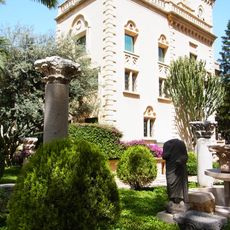
The baths were a meeting place for all citizens, with four main bathing chambers and halls where jesters and musicians performed. The site now hosts occasional concerts and performances, and its Mediterranean garden grows medicinal plants once used in bathing oils.
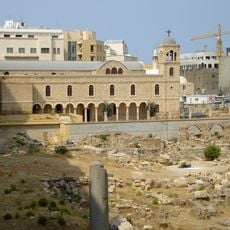
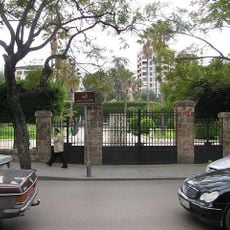
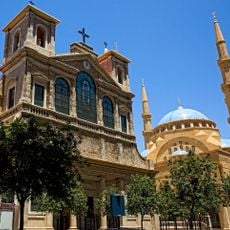
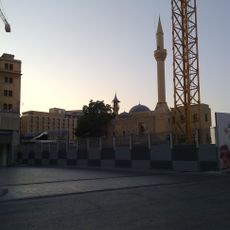
The remains lie in downtown Beirut between Banks Street and Capuchin Street, next to the Grand Serail and surrounded by government buildings. The excavated area covers about 1,700 m² of a complex once estimated at 8,000 m². The gardens of the baths sit inside the Garden of Forgiveness.
The heating system relied on stone pillars supporting elevated floors that allowed hot air to circulate underneath, maintaining even warmth throughout the complex. This underground design was an ingenious solution for distributing heat before modern technology existed.
The community of curious travelers
AroundUs brings together thousands of curated places, local tips, and hidden gems, enriched daily by 93,621 contributors worldwide.