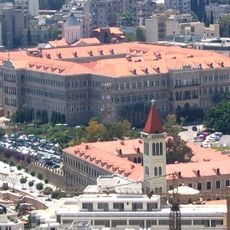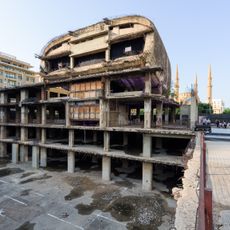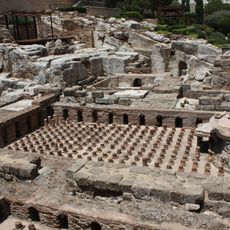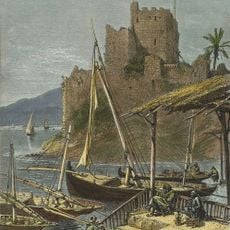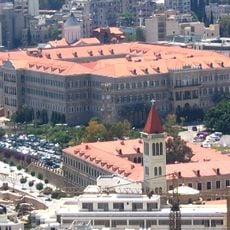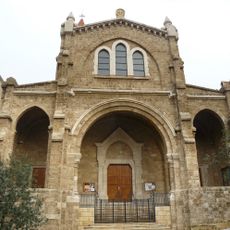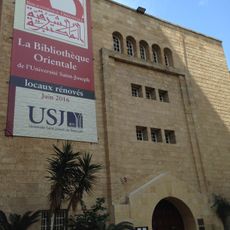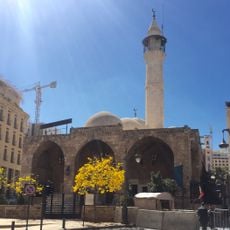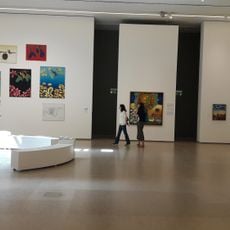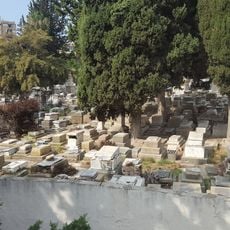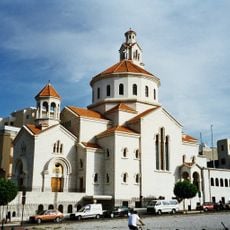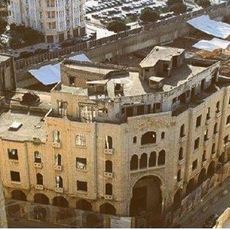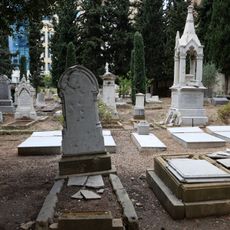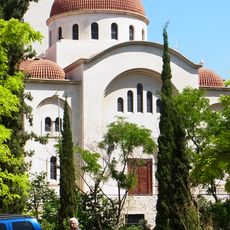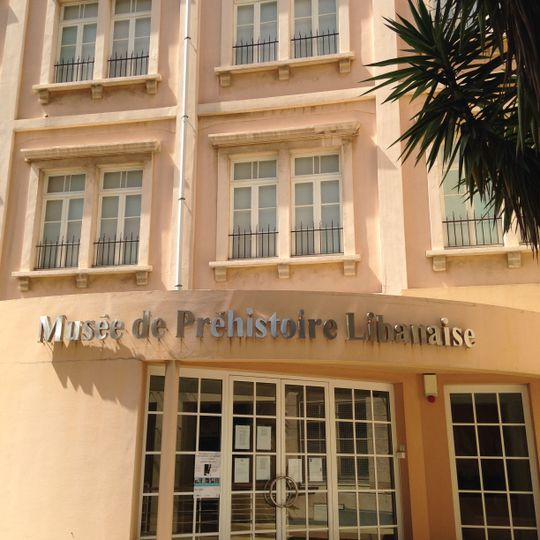
Museum of Lebanese Prehistory, Archaeological museum at Saint Joseph University, Beirut, Lebanon
The Museum of Lebanese Prehistory at Saint Joseph University displays excavated materials from archaeological sites throughout the country. Its collections feature stone implements, pottery from early farming communities, and skeletal remains spanning thousands of years.
The museum opened in 2000 but draws on collections gathered by Jesuit scholars over more than a century. The connection to the university's research activities gave it access to materials from decades of field investigations.
The collections reveal how people lived and made tools during prehistoric times through objects recovered from the land. These finds help visitors understand the daily lives of those who came before written history.
The museum sits in central Beirut and operates on a limited schedule during the week. Calling ahead before your visit helps ensure the museum is open and to arrange a guided tour if interested.
The institution actively conducts archaeological investigations in the region rather than simply displaying past discoveries. New findings from these ongoing projects periodically add fresh insights to what is known about prehistoric settlement patterns.
Location: Beirut
Inception: 2000
Opening Hours: Tuesday-Wednesday,Friday-Saturday 09:00-15:00
Website: http://usj.edu.lb/mpl
GPS coordinates: 33.89159,35.50816
Latest update: December 6, 2025 17:43
Lebanon preserves thousands of years of human settlement through archaeological sites and museum collections spread across the country. Phoenician ruins are adjacent to Roman monuments, while medieval fortresses mark periods of the Crusades and Ottoman rule. In Beirut, the National Museum houses artifacts covering all the country's historical eras, and the Mim Mineral Museum displays over 2,000 specimens from around the world. Along the coast, Sidon features a 13th-century maritime fortress and the Echmoun temple, a Phoenician complex built in the 7th century BCE. Collections extend well beyond classical archaeology. The Saint-Joseph University Prehistory Museum documents prehistoric occupation in Lebanon, while the Byblos Fossil Museum showcases more than 200 petrified specimens illustrating regional geological history. These institutions provide a thorough overview of the human and natural evolution of this Mediterranean area, from early settlements to Ottoman and modern periods.
Berytus
543 m
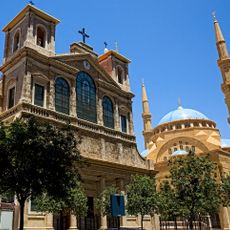
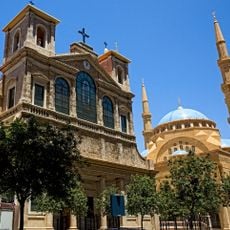
Mohammad Al-Amin Mosque
411 m
Sursock Museum
760 m
Sursock House
886 m
Saint George Maronite Cathedral
487 m
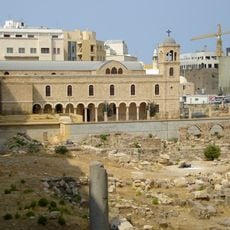
Saint George Greek Orthodox Cathedral
598 m
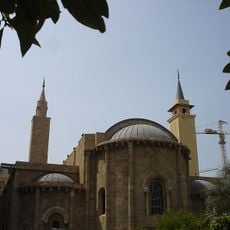
Al-Omari Grand Mosque
724 m
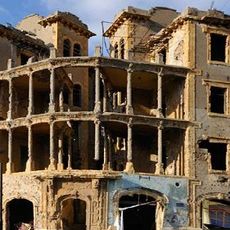
Beit Beirut
516 m
Phoenician port of Beirut
687 m
The Egg, Beirut
292 m
Roman Baths, Beirut
783 m
Beirut Castle
881 m
Grand Serail
824 m
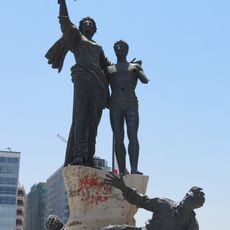
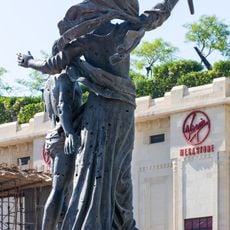
Martyrs’ Monument, Beirut
541 m
Maronite Catholic Archeparchy of Beirut
479 m
St. Louis Cathedral
866 m
Emir Assaf Mosque
690 m
Nicolas Sursock Museum
784 m
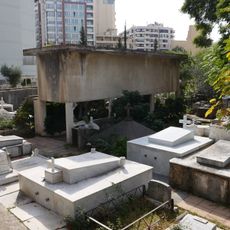
Jewish cemetery of Beirut
731 m
Oriental Library
25 m
Armenian Catholic Archeparchy of Beirut
148 m
Grand Théâtre
477 m
French Protestant Cemetery of Beirut
799 m
St. Nicholas Greek Orthodox Church, Beirut
752 m
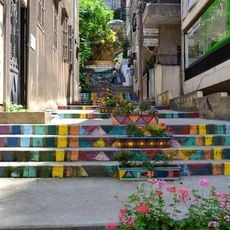
Saint Nicolas Stairs
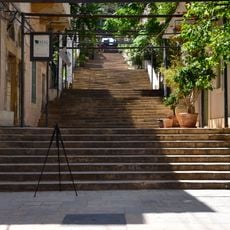
738 m
Achrafieh Staircase
800 m
Cemetery of the National Evangelical Church of Beirut
797 m
Cinema Opera
518 mReviews
Visited this place? Tap the stars to rate it and share your experience / photos with the community! Try now! You can cancel it anytime.
Discover hidden gems everywhere you go!
From secret cafés to breathtaking viewpoints, skip the crowded tourist spots and find places that match your style. Our app makes it easy with voice search, smart filtering, route optimization, and insider tips from travelers worldwide. Download now for the complete mobile experience.
A unique approach to discovering new places❞
— Le Figaro
All the places worth exploring❞
— France Info
A tailor-made excursion in just a few clicks❞
— 20 Minutes