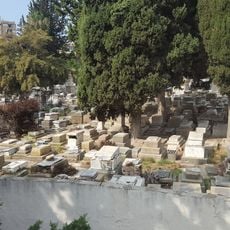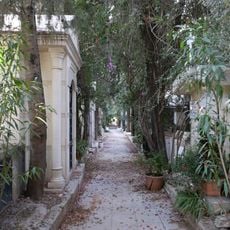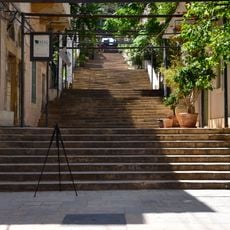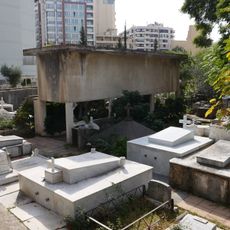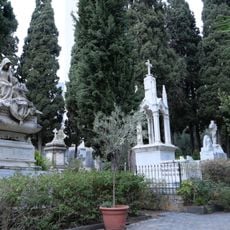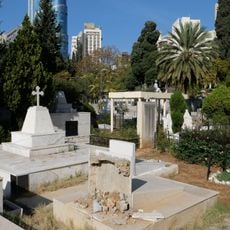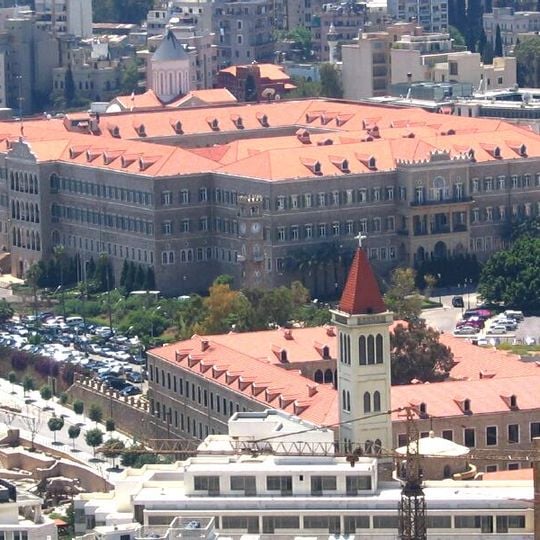
Phoenician port of Beirut, Archaeological site between Rue Allenby and Rue Foch, Beirut, Lebanon.
The Phoenician port of Beirut is an archaeological site containing remains of an ancient harbor complex built from large sandstone blocks. The excavated structures reveal how this location served as a vital trading hub along Mediterranean maritime routes.
The port facility dates to the Iron Age III and Persian periods, spanning important phases of ancient Mediterranean history. Systematic excavations beginning in 2000 and continuing through 2011-2012 revealed evidence of this significant trading outpost.
The port structures demonstrate advanced engineering methods of the Phoenicians, with larger blocks of 100 by 60 centimeters installed without mortar use.
The site sits roughly 300 meters away from the modern port, reflecting how the shoreline has shifted due to natural coastal processes. Understanding that sea level changes and sediment buildup have reshaped the ground over millennia helps visitors grasp the site's geography.
The excavations reveal multiple construction phases using different techniques, from dry stone placement to grey mortar application. This variety in building methods documents distinct periods of activity and shows how craft practices evolved over time.
The community of curious travelers
AroundUs brings together thousands of curated places, local tips, and hidden gems, enriched daily by 92,357 contributors worldwide.