National Museum of Beirut, Archaeological museum in Beirut, Lebanon.
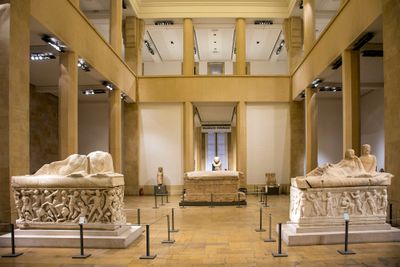
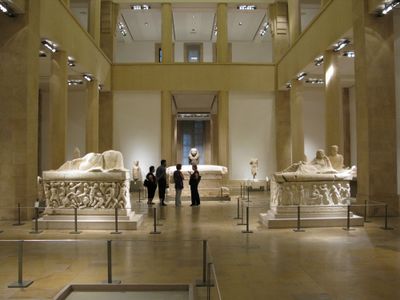
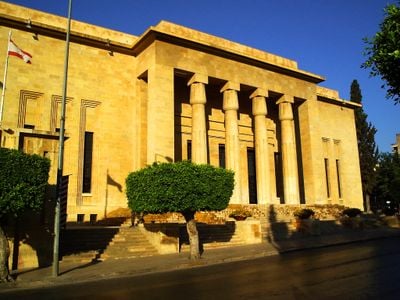
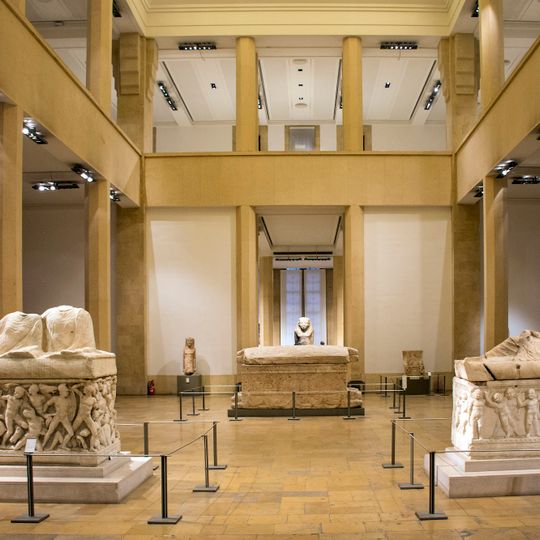
The National Museum of Beirut is an archaeological institution built in the Egyptian Revival style, presenting around 1,300 objects from the Neolithic era to the Mamluk period. The three-story building holds sculpture, inscriptions, and everyday items recovered from sites across Lebanon.
The institution opened in 1942 under President Alfred Georges Naccache and later endured severe damage during the Lebanese Civil War. Restoration work ran from 1992 to 1999, bringing the building and collections back to public view.
The galleries display objects from different periods side by side, letting visitors see how Phoenicians, Romans, and later peoples shared the same territory across centuries. Each hall focuses on one era, showing how daily tools, ritual objects, and decorative arts evolved over time.
The building stands near the Beirut Hippodrome and welcomes visitors every day except Monday. Guided tours in several languages help international guests follow the layout and understand the displays.
During the civil war, staff wrapped large statues in concrete to shield them from shelling and looting. Smaller pieces were moved to secured basement rooms, where they remained until peace returned and reopening became possible.
The community of curious travelers
AroundUs brings together thousands of curated places, local tips, and hidden gems, enriched daily by 91,842 contributors worldwide.