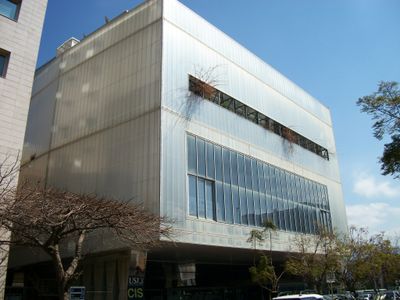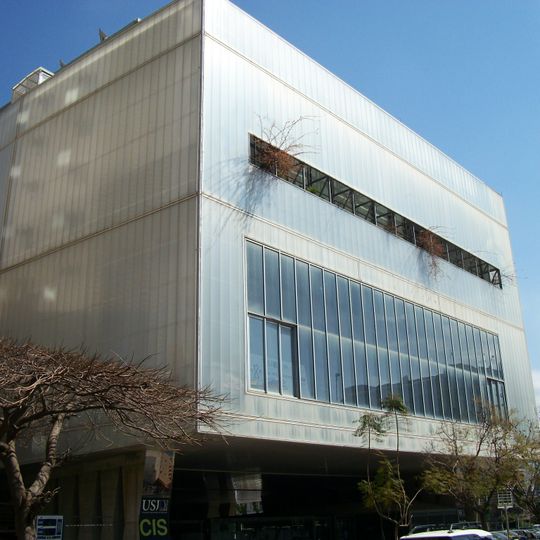
Mim Museum, Private mineral museum at Saint Joseph University, Beirut, Lebanon.
The Mim Museum contains over 2,000 mineral specimens from 450 different species, collected from 70 countries throughout the world.
Chemical engineer Salim Eddé established the museum in 2013 to present his private collection to the public within Saint Joseph University campus.
The museum presents educational programs that connect geology with natural sciences, fostering scientific understanding among students and visitors.
The museum opens Tuesday through Sunday from 10:00 AM to 1:00 PM and 2:00 PM to 6:00 PM, with free admission for children under 12.
The collection includes the Mimodactylus libanensis fossil, a 95-million-year-old pterosaur specimen displayed with holographic technology.
Location: Beirut
GPS coordinates: 33.87984,35.51411
Latest update: May 3, 2025 09:17
Lebanon preserves thousands of years of human settlement through archaeological sites and museum collections spread across the country. Phoenician ruins are adjacent to Roman monuments, while medieval fortresses mark periods of the Crusades and Ottoman rule. In Beirut, the National Museum houses artifacts covering all the country's historical eras, and the Mim Mineral Museum displays over 2,000 specimens from around the world. Along the coast, Sidon features a 13th-century maritime fortress and the Echmoun temple, a Phoenician complex built in the 7th century BCE. Collections extend well beyond classical archaeology. The Saint-Joseph University Prehistory Museum documents prehistoric occupation in Lebanon, while the Byblos Fossil Museum showcases more than 200 petrified specimens illustrating regional geological history. These institutions provide a thorough overview of the human and natural evolution of this Mediterranean area, from early settlements to Ottoman and modern periods.
Lebanon offers diverse photo opportunities, from natural limestone formations at Raouché to ancient Roman ruins in Baalbek. The country features underground caves at Jeita, medieval markets in Byblos, and historic cedar forests. Religious buildings, coastal fortresses, and traditional architecture in cities like Tripoli and Beirut present cultural heritage. Natural areas include the Qadisha Valley, Bekaa Valley vineyards, and Mediterranean beaches at Palm Islands Reserve.
National Museum of Beirut
195 m
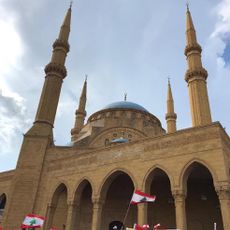
Mohammad Al-Amin Mosque
1.8 km
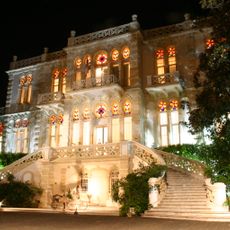
Sursock Museum
1.5 km
Sursock House
1.5 km
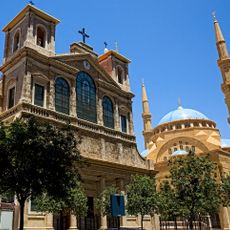
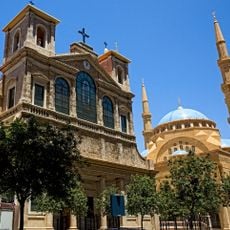
Saint George Maronite Cathedral
1.9 km
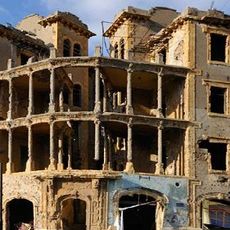
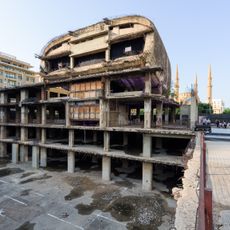
Beit Beirut
953 m
Phoenician port of Beirut
797 m
The Egg, Beirut
1.7 km
Pine Residence
602 m
Beirut Municipal Stadium
1.6 km
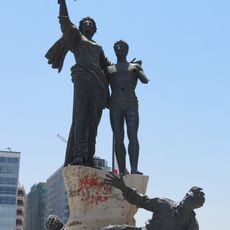
Martyrs’ Monument, Beirut
2 km
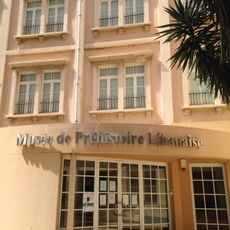
Museum of Lebanese Prehistory
1.4 km
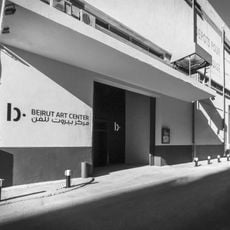
Beirut Art Center
1.5 km
Maronite Catholic Archeparchy of Beirut
1.9 km
Melkite Greek Catholic Archeparchy of Beirut and Byblos
1.4 km
Nicolas Sursock Museum
1.5 km
Jewish cemetery of Beirut
707 m
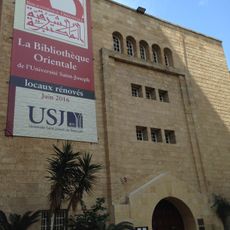
Oriental Library
1.4 km
Armenian Catholic Archeparchy of Beirut
1.6 km
Grand Théâtre
1.9 km
French Protestant Cemetery of Beirut
643 m
St. Nicholas Greek Orthodox Church, Beirut
1.4 km
Ra's al Nab' Cemetery
353 m
Saint Nicolas Stairs
1.6 km
Achrafieh Staircase
864 m
Cemetery of the National Evangelical Church of Beirut
644 m
Melkite Greek-Catholic cemetery of Ras el-Nabeh
404 m
Cinema Opera
1.9 kmReviews
Real people, real opinions — but not verified.
Visited this place? Tap the stars to rate it and share your experience / photos with the community! Try now! You can cancel it anytime.
absolutely magnificent, the best museum to see in Beirut!
Discover hidden gems everywhere you go!
From secret cafés to breathtaking viewpoints, skip the crowded tourist spots and find places that match your style. Our app makes it easy with voice search, smart filtering, route optimization, and insider tips from travelers worldwide. Download now for the complete mobile experience.
A unique approach to discovering new places❞
— Le Figaro
All the places worth exploring❞
— France Info
A tailor-made excursion in just a few clicks❞
— 20 Minutes