See the monuments around you in AROpen chests in the app
Around Us is built for your phone — point your camera at the streets and discover the monuments and places around you in augmented reality.Around Us is built for your phone — chests unlock when you walk, explore and capture nearby places.
These trees stand as natural monuments across the globe. Some are recognized for their age, like Old Tjikko in Sweden and Methuselah in California. Others, such as General Sherman and Hyperion, set records for size and height. The collection includes cultural landmarks like the Jaya Sri Maha Bodhi in Sri Lanka and ecological wonders like the Dragon Blood Trees of Socotra. From ancient baobabs to giant sequoias, each specimen represents botanical heritage.
These trees stand as natural monuments across the globe. Some are recognized for their age, like Old Tjikko in Sweden and Methuselah in California. Others, such as General Sherman and Hyperion, set records for size and height. The collection includes cultural landmarks like the Jaya Sri Maha Bodhi in Sri Lanka and ecological wonders like the Dragon Blood Trees of Socotra. From ancient baobabs to giant sequoias, each specimen represents botanical heritage.
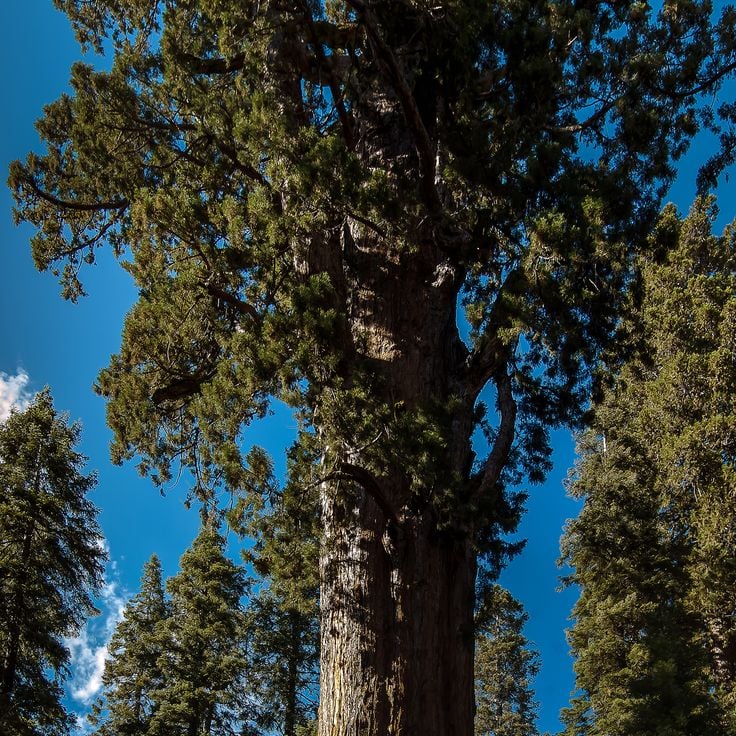
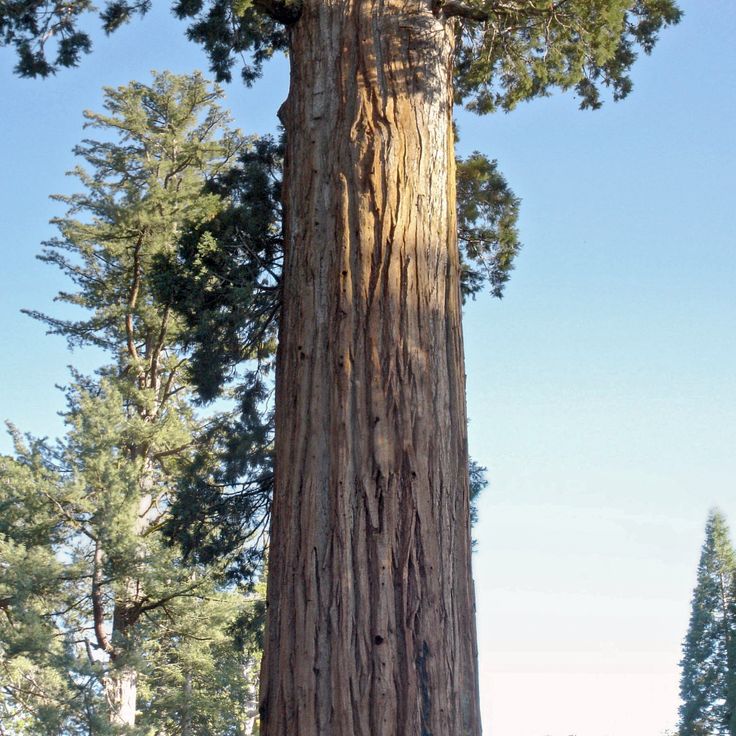
This giant sequoia in Sequoia National Park, California, stands among the largest living trees on Earth. It reaches 83 meters (272 feet) in height and measures 11 meters (36 feet) across at the base. Its trunk holds 1487 cubic meters of wood. As part of a collection of notable trees from different continents, it represents the botanical records of North America. The reddish trunk tapers upward and carries a dense crown of evergreen branches. Walking trails lead through the grove, where visitors experience the scale of these ancient trees up close. The cool mountain climate and quiet forests create an environment where these giants have grown for centuries.
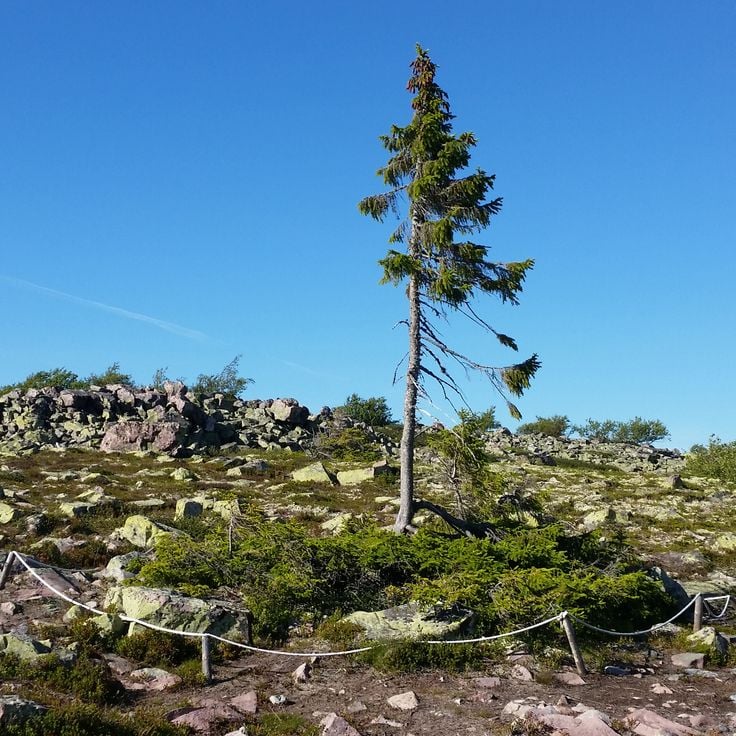
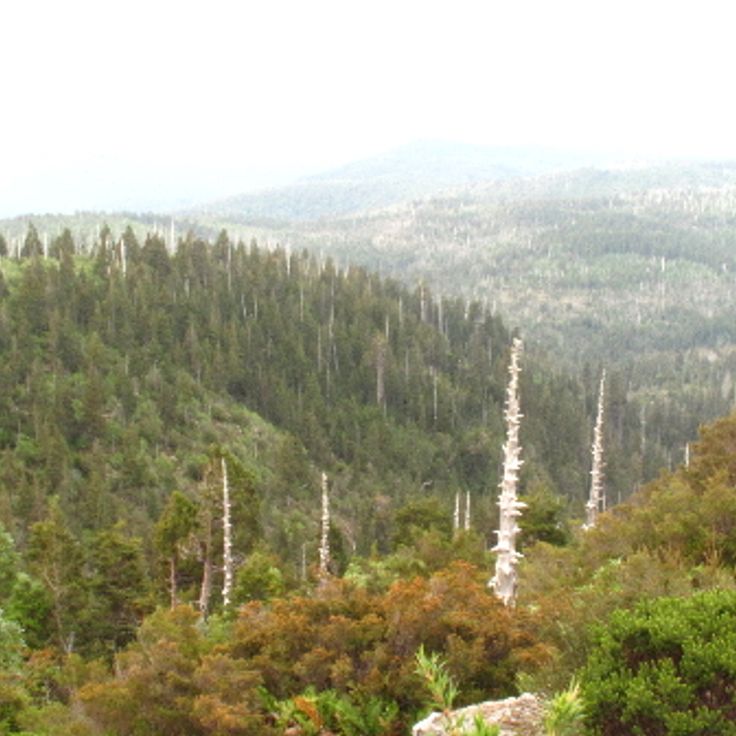
This spruce grows on Fulufjället Mountain and represents an extraordinary example of longevity in the plant world. The visible trunk stands about 5 meters tall, but the root system below ground dates back 9,550 years, established through carbon dating. The spruce survives through vegetative reproduction: while above-ground stems die after a few centuries, the ancient root system continues producing new shoots. It grows in the harsh environment of the Swedish highlands, where severe winters and short summers shape plant life. The tree stands among the natural monuments included in this collection for their age and botanical significance.
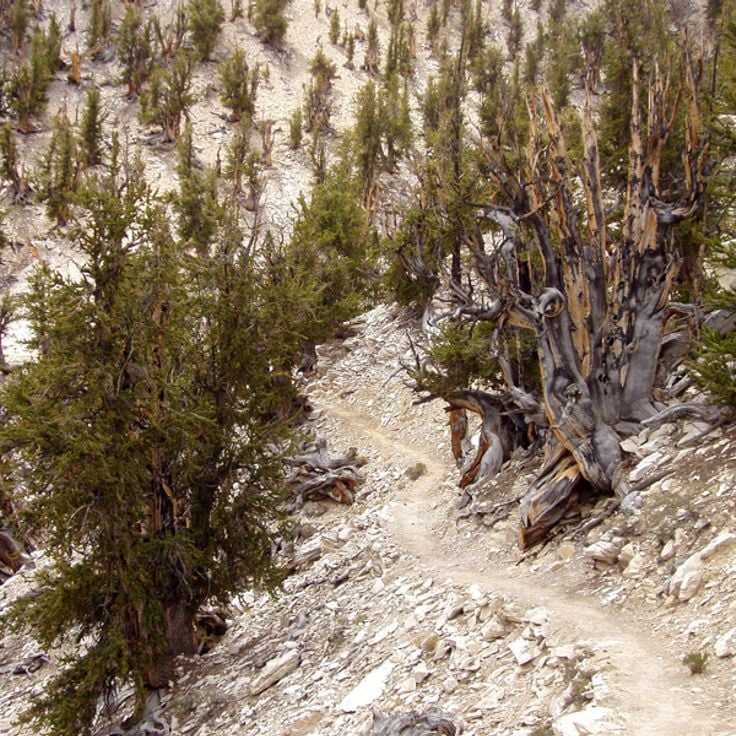
This pine grows in the White Mountains at 10,000 feet (3,000 meters) elevation and has reached an age of 4,853 years, making it one of the oldest living trees on Earth. Botanists determined its age by counting growth rings. The Great Basin Bristlecone Pine stands in a sparse high-altitude landscape where wind and cold have shaped the wood over thousands of years. The tree shows how life persists under extreme conditions. Its twisted branches and patchy bark tell of long winters and short growing seasons. Visitors reach the site along trails that pass through open pine forests.
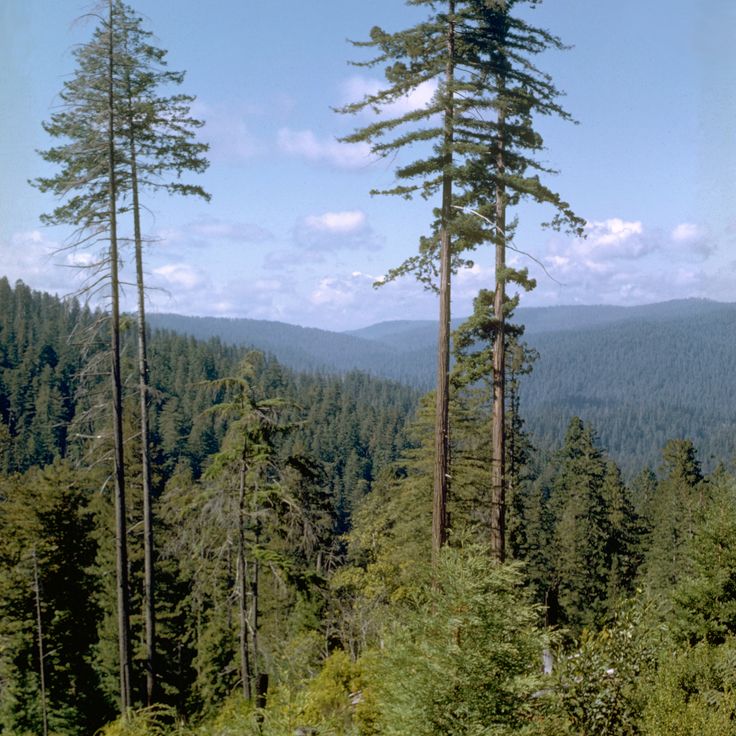
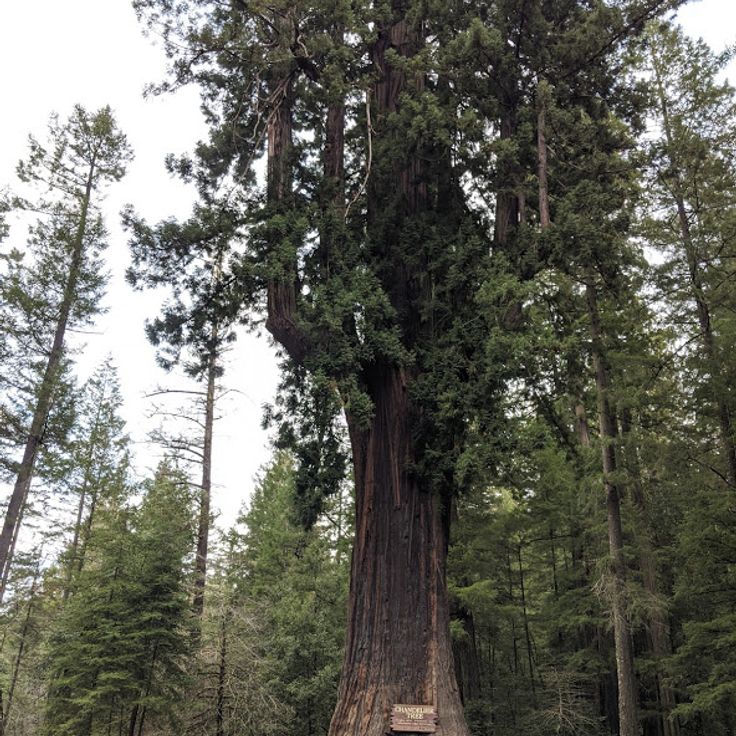
This coast redwood rises to 115.92 meters (380 feet) and grows in a remote part of northern California. The tree was discovered in 2006 and ranks among the representatives of botanical heritage in this collection of natural monuments that brings together record holders for size and height from different continents.
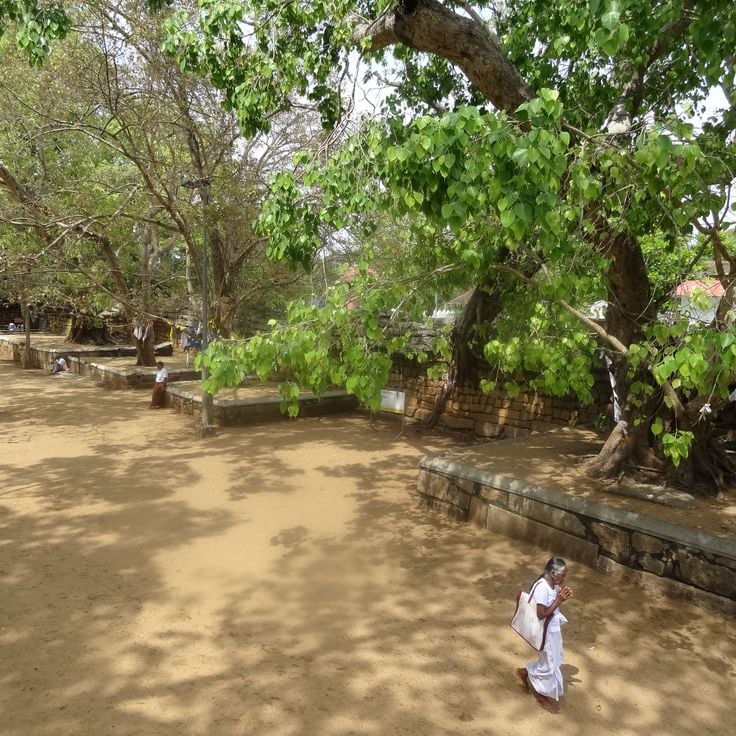
This sacred fig tree was planted in 288 BC and grew from a branch of the original tree under which Buddha attained enlightenment. The Jaya Sri Maha Bodhi is one of the oldest documented trees in the world with a recorded history spanning more than two millennia. Pilgrims and visitors surround the tree with reverence, and its branches are supported by props. The roots reach deep into the soil of Anuradhapura, and the tree forms the spiritual center of this historic city.
This conifer stands in the mountains of southern Chile and is estimated to be around 5000 years old. The tree belongs to the oldest living organisms on Earth and grows in a remote area where cool climate and abundant rainfall have allowed its slow growth over thousands of years.
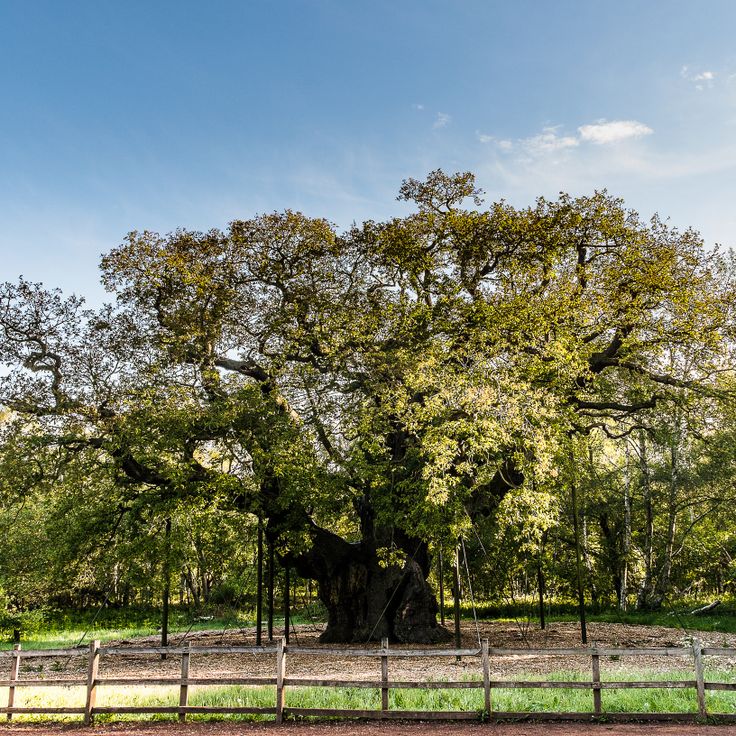
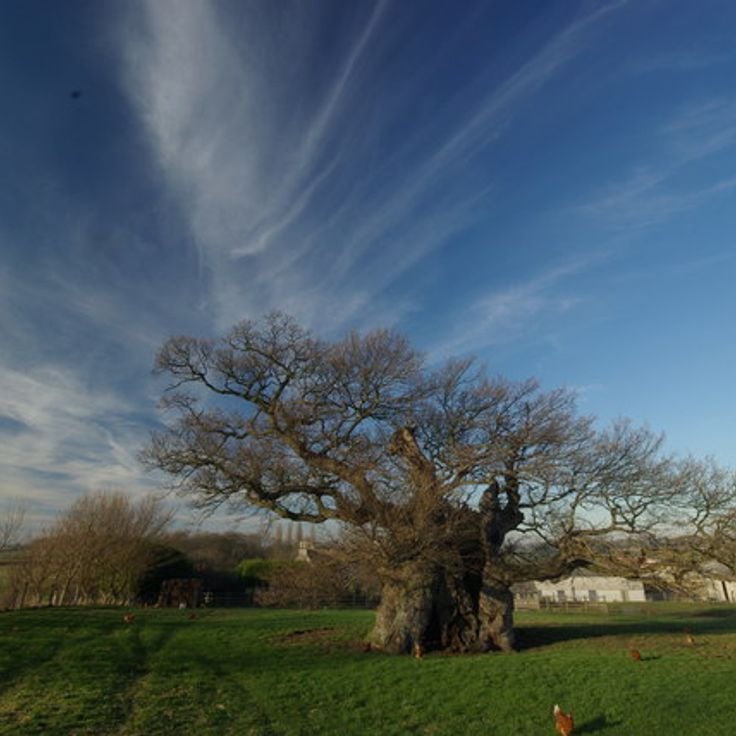
This old tree grows in Sherwood Forest and carries the memory of Robin Hood legends. The oak is between 800 and 1000 years old, its trunk measuring about 33 feet (10 meters) around. Support beams help the spreading branches bear their weight. The tree is the most famous specimen in the forest and ranks among the oldest oaks in England.
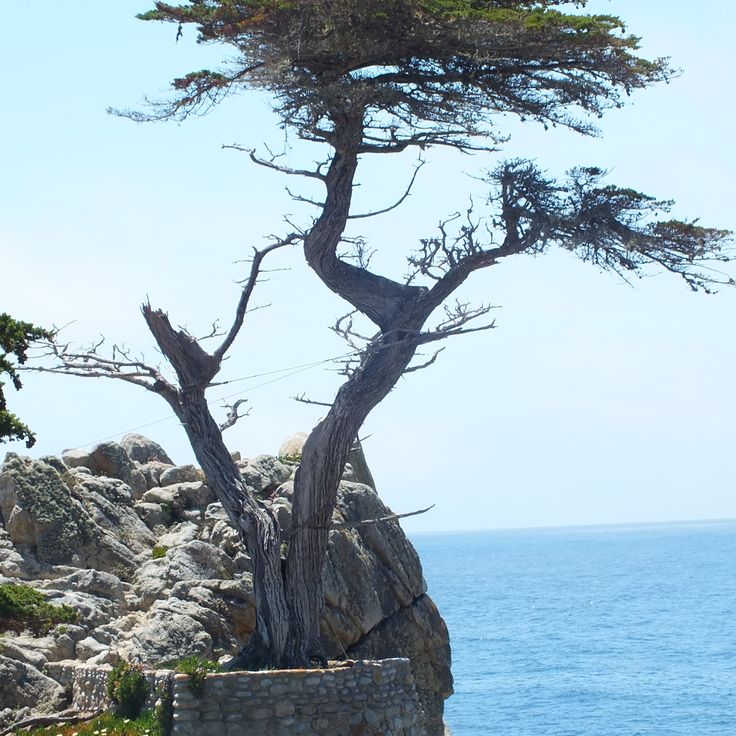
This tree stands on a granite outcrop overlooking the Pacific Ocean and belongs to the trees known for their exposed locations. The roughly 250-year-old cypress grows on the coast at Pebble Beach, where wind and saltwater have shaped its form. The Lone Cypress is an example of trees that survive in harsh environments and become symbols of their regions. Its isolated position on the rocky point makes it a landmark along the California coast.
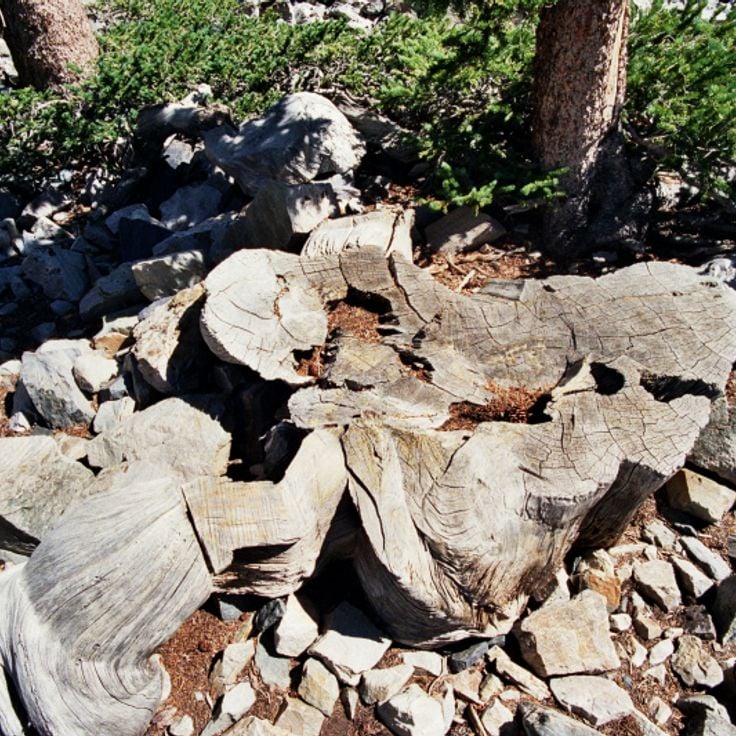
This ancient pine once grew at 10,000 feet (3,000 meters) on Wheeler Peak and reached an age of 4,862 years before being cut down in 1964 for research purposes. The Great Basin Bristlecone Pine belongs to a species that withstands extreme conditions in the high elevations of the mountain range. For thousands of years, this tree endured wind, cold, and barren soils, becoming one of the oldest known organisms on Earth. The story of this specimen shows the scientific value of these botanical monuments, which serve as natural time archives.
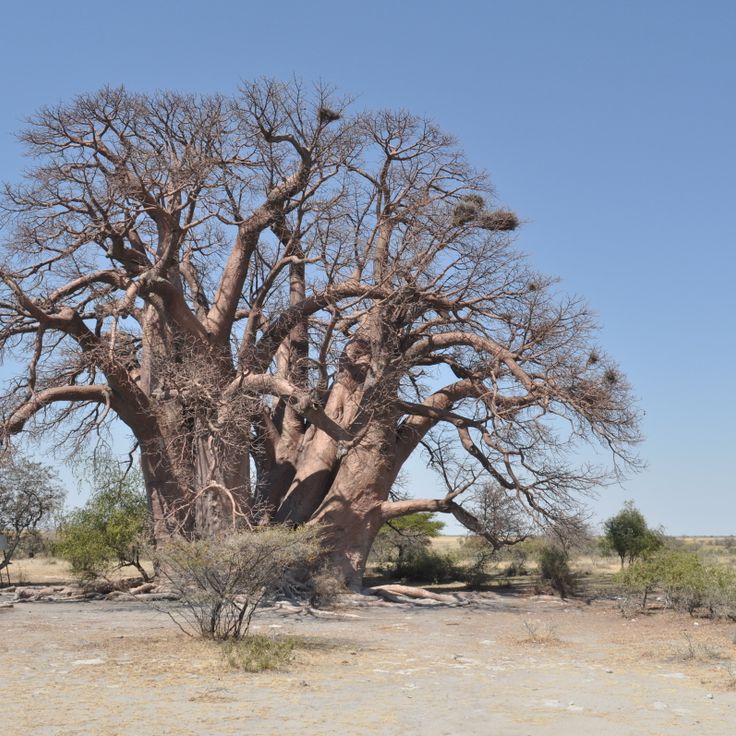
This baobab stood for about 1,400 years in Nxai Pan National Park before it collapsed in 2016. It was one of the largest of its kind in Africa, measuring 82 feet (25 meters) in circumference. Climate changes eventually caused the ancient trunk to fall. Chapman Baobab was an important natural monument in the region and carried the name of a 19th-century explorer.
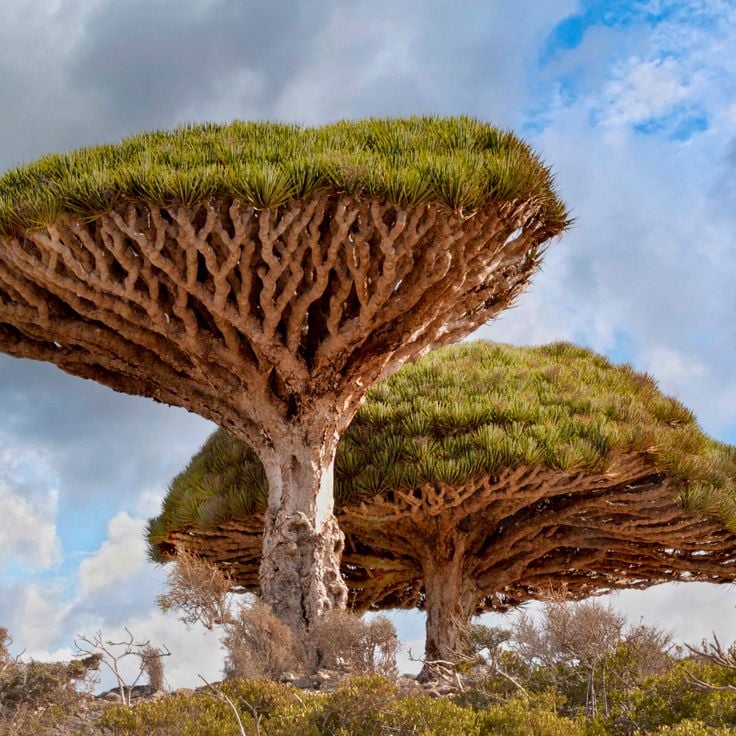
This tree grows on the Dixam Plateau in Socotra. Its branches spread into a dense canopy that provides shade and helps retain moisture in the soil below. When the bark is cut, it releases a dark red sap that locals have used for centuries. The trees grow on limestone ground between 1,000 and 5,000 feet (300 to 1,500 meters) above sea level and shape the island landscape. As part of this collection of botanical natural monuments, this tree shows how plants adapt to harsh island conditions.
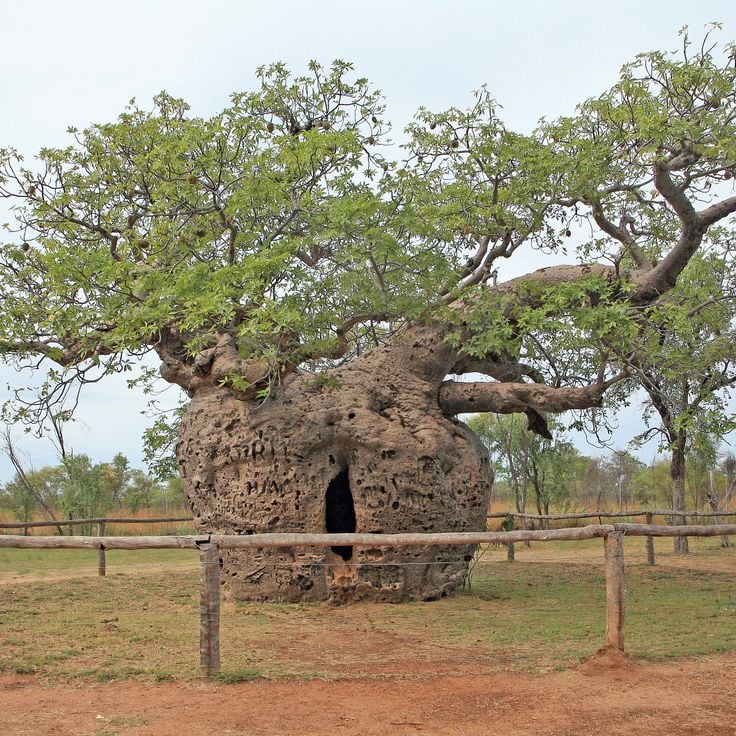
This boab tree stands in Derby and has a trunk circumference of about 49 feet (15 meters). Its bottle shape makes it one of the most notable specimens in Western Australia. In the 1890s, the hollow interior served as a temporary holding place for Aboriginal prisoners being taken to trial. The tree connects botanical features with a painful part of Australian colonial history and now stands as a living witness to past times.
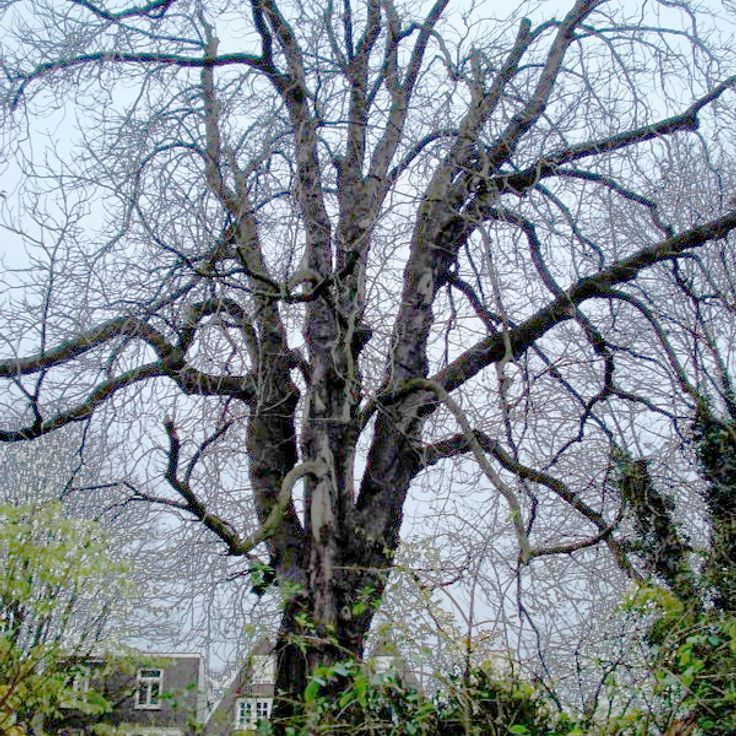
This white horse chestnut tree offered comfort to Anne Frank during her time in hiding, as she recorded in her wartime diary from 1942 to 1944. The tree grew in the backyard and was visible through the attic window. Its blossoms in spring and green foliage in summer provided a connection to the outside world for the family confined to the secret annex. As a living natural monument, this tree joins the collection of notable trees from different continents that represent botanical and cultural heritage.
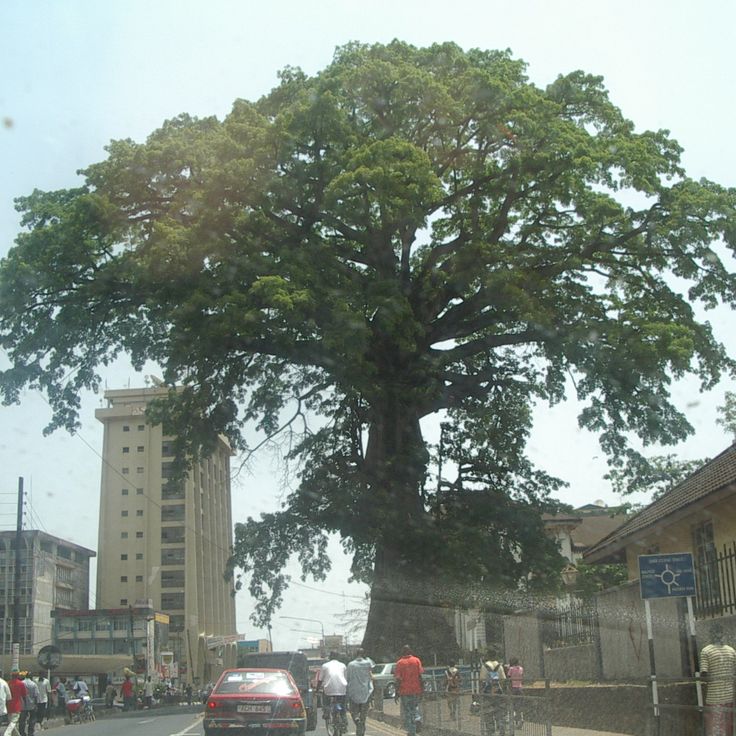
This kapok tree marked the spot where freed slaves founded their settlement in 1792. People gathered beneath its branches to share news and discuss public matters. The tree grew into a living center of Freetown, where markets took place and community meetings were held. Its roots reach deep into the history of Sierra Leone, and its branches cast shade over the square where generations came together. The Freetown Cotton Tree stands as a natural monument connecting the city's beginnings with its present.
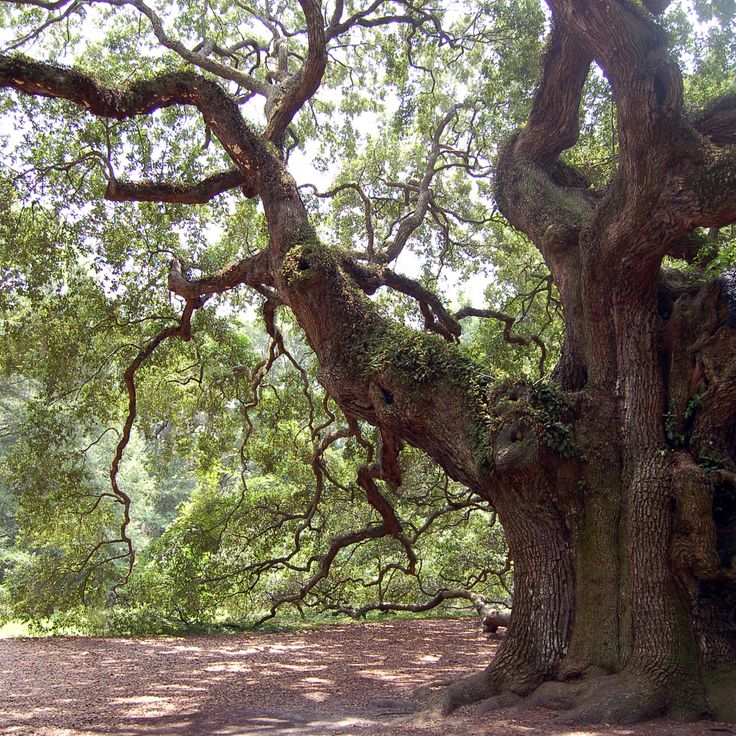
This tree has stood on Johns Island for more than four centuries and ranks among the oldest living oaks in the southeastern United States. Its spreading branches extend horizontally and form a natural canopy that covers several hundred square meters. The bark is thick and furrowed, and the trunk measures about 8.5 meters (28 feet) around. Like other old specimens of this kind, it carries green leaves throughout the year and provides shade during hot summer days. The branches often droop toward the ground and are sometimes supported by wooden props. The tree draws visitors who walk beneath its limbs and experience the scale of this living natural monument.
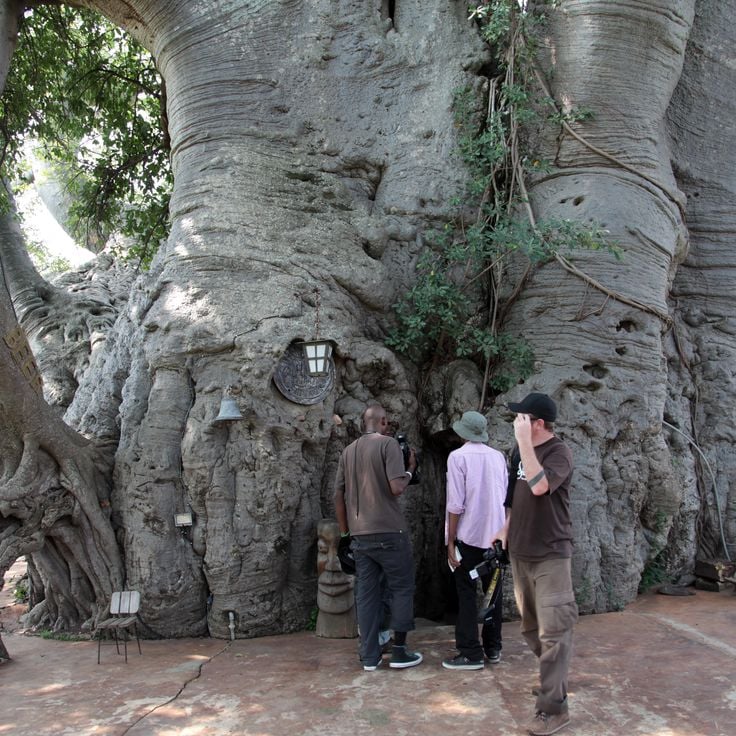
This baobab in Limpopo is around a thousand years old. The trunk measures over 47 meters (154 feet) in circumference and has hollowed out over time. Inside this hollow space sits a bar with room for fifteen people. The tree shows the age and extraordinary scale that African baobabs can reach, combining natural history with an unusual human use.
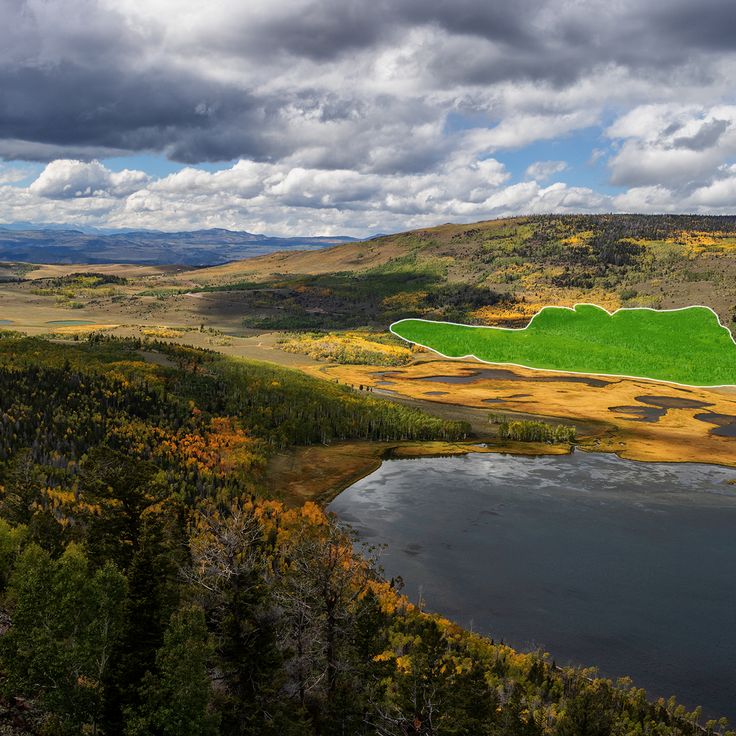
This forest forms one of the largest living organisms on Earth. The 47,000 quaking aspens at Fish Lake are not separate trees but shoots from a single ancient root system. In fall the leaves turn gold simultaneously since all stems are genetically identical. The underground network spreads across roughly 106 acres (43 hectares) and may be several thousand years old. The colony responds to wildfires by sending up new growth from the roots. Hiking trails wind through the dense grove where the characteristic rustling of heart-shaped leaves can be heard in the breeze.
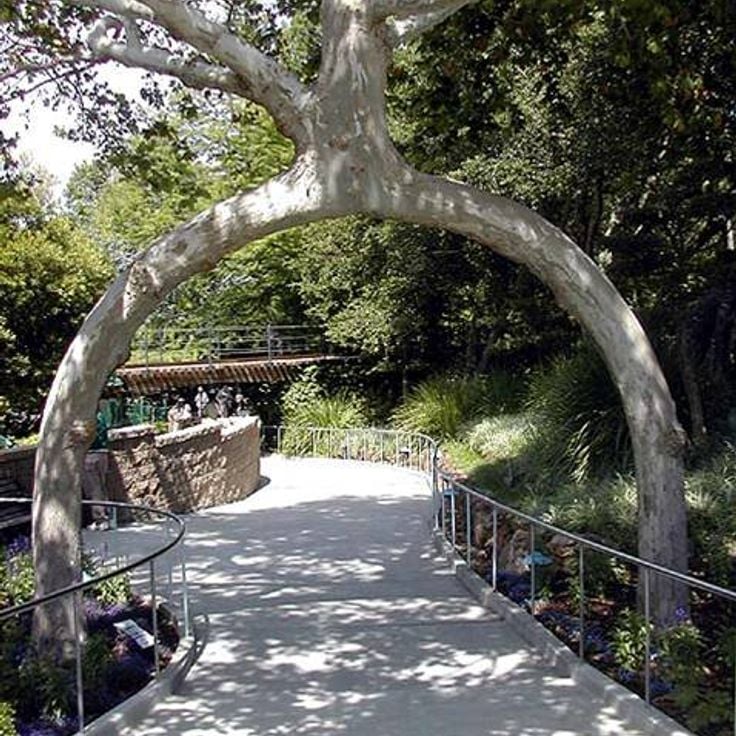
The trees at Shaped Trees Garden grew through decades of grafting and training to form geometric patterns. Hearts, spirals, ladders, and knots emerged from human design and natural growth. This garden presents living sculptures that stand as botanical heritage within this collection of notable trees from different continents.
This redwood has stood in California for about 2400 years and reaches a height of 315 feet (96 meters). A tunnel was carved through its base, wide enough for vehicles to pass through. The passage shows the extraordinary width of the trunk and makes this redwood a natural monument representing both its great age and the human encounter with nature. The tree belongs to the botanical landmarks that have grown over centuries and still draw visitors today.
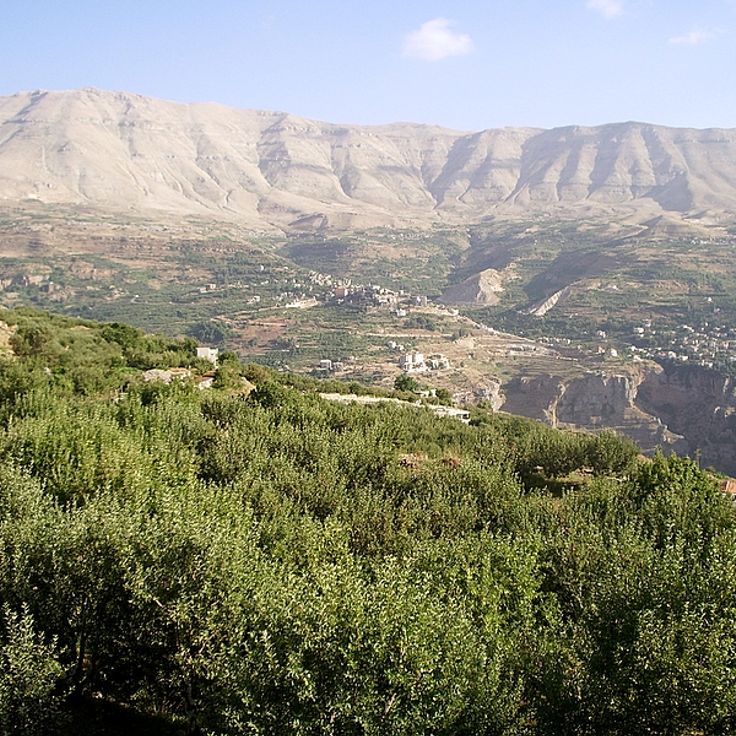
These cedars in Bsharri are among the last remains of forests that once covered large parts of Lebanon and appear in biblical texts. The grove holds 375 trees, some more than 1000 years old. Their thick trunks and spreading crowns show the typical shape of old cedars. The grove sits in the mountains and is protected as a natural monument. As part of this collection of notable trees from different continents, the cedars represent botanical heritage and the history of the landscape.
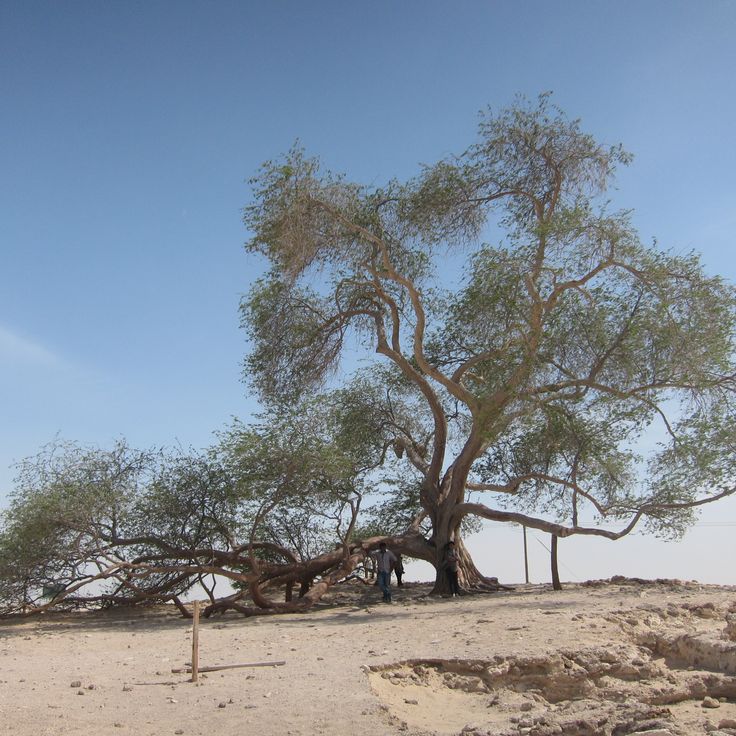
This mesquite tree has stood in the Sakhir Desert for 400 years, surviving in extreme conditions. At nearly 33 feet (10 meters) tall, it grows in a place with no visible water source. Its deep root system reaches hidden groundwater reserves far below the surface. The tree shows how some species adapt to the harshest climates. It serves as an example of natural resilience and belongs to the botanical heritage of the region. Visitors find a rare sight here in an otherwise barren landscape of Bahrain.
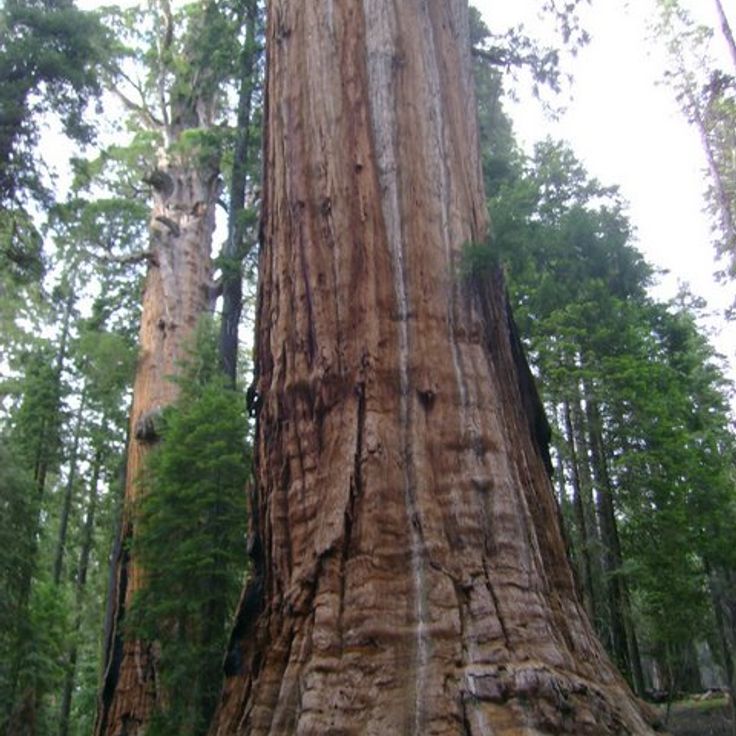
This Giant Sequoia in Sequoia National Park, California, stands among natural monuments like General Sherman and Hyperion, representing size and age in Earth's botanical heritage. The tree has stood for 3,200 years and reaches 75 meters in height (246 feet). Its trunk holds 1,278 cubic meters (45,000 cubic feet) of wood, showing the exceptional scale of this species. Visitors come to see these ancient specimens that impress through their mass and longevity. The park protects these trees as part of the region's natural heritage.
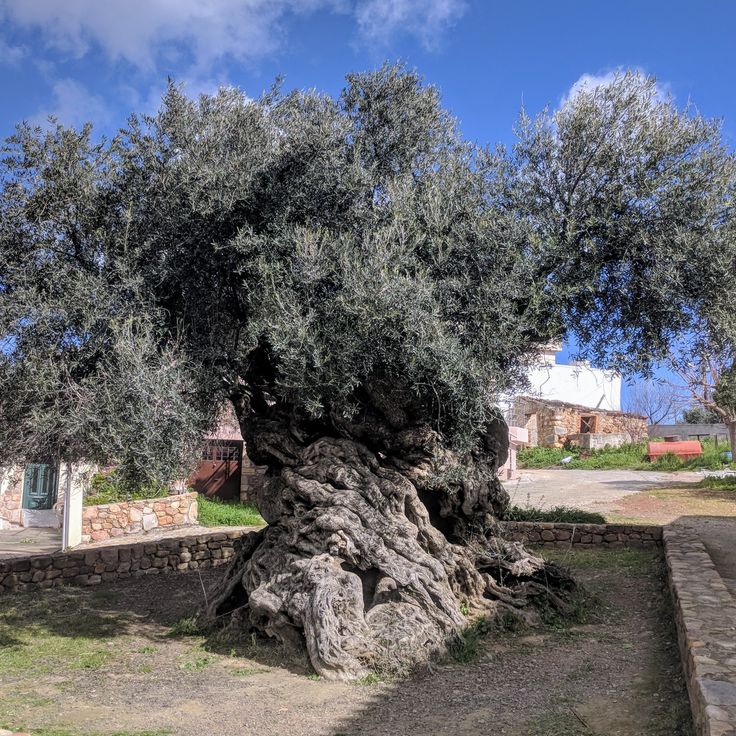
This olive tree in Vouves measures 15 feet (4.6 meters) across its trunk and still produces olives after roughly 3,000 years of life. Like other living monuments in this collection of trees from different continents, it shows how nature can persist through time. Its twisted roots and hollow trunk tell the story of centuries of Mediterranean life. Locals still harvest olives from its branches, and the wood feels rough and warm under the Cretan sun.
This oak in Manthorpe has stood for centuries and measures over 12 meters around its trunk. The interior is hollow and large enough that twenty people once dined inside. The tree belongs to the oldest oaks in England and shows how long such trees can endure.
Kings Canyon National Park, California, United States
This giant sequoia stands in Kings Canyon National Park and is among the largest trees in the world. General Grant measures 268 feet tall (82 meters) with a diameter of 40 feet (12 meters). The tree belongs to the natural monuments that represent botanical heritage across the earth. Its trunk reaches an enormous volume, making it the third largest tree by total mass. Visitors can walk around the base and experience the dimensions directly.
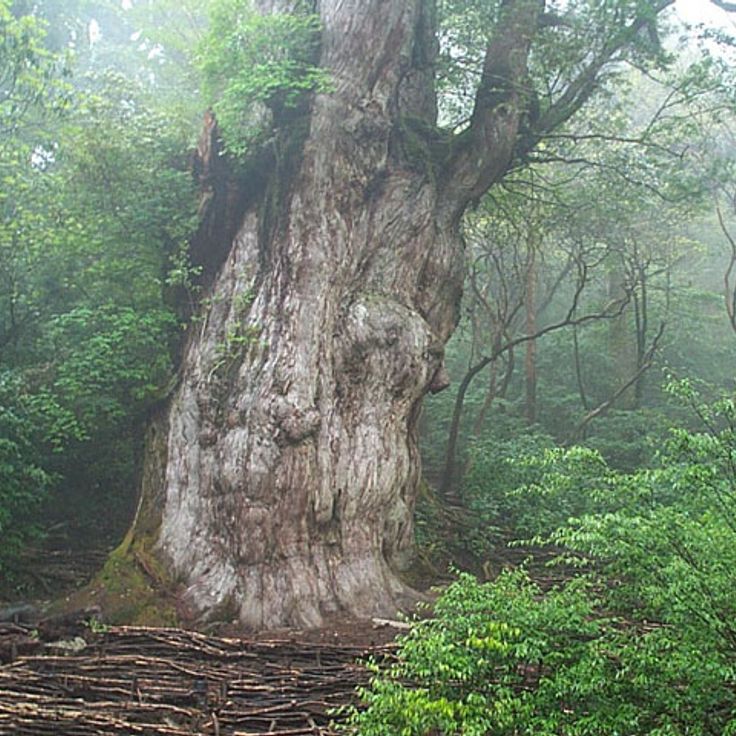
This tree stands deep in the forests of Yakushima, an island off the southern coast of Japan known for its mountains and heavy rainfall. The Jomon Cedar is one of the oldest living trees in the country, with estimates placing its age between two thousand and seventy-two hundred years. The trunk measures more than 53 feet (16 meters) around, and the tree rises to about 83 feet (25 meters) in height. Moss and ferns cling to the bark, shaped by centuries of wind and moisture. Trails wind through the forest, and reaching this tree requires a hike of several hours through steep terrain. The air is often cool and damp, with mist drifting between the trunks. The name refers to the Jōmon period, an early chapter in Japanese history. Many visitors see this tree as a symbol of endurance and natural history. The area is part of a UNESCO World Heritage site, and the island draws those who want to walk among ancient groves and experience the quiet of the mountains.
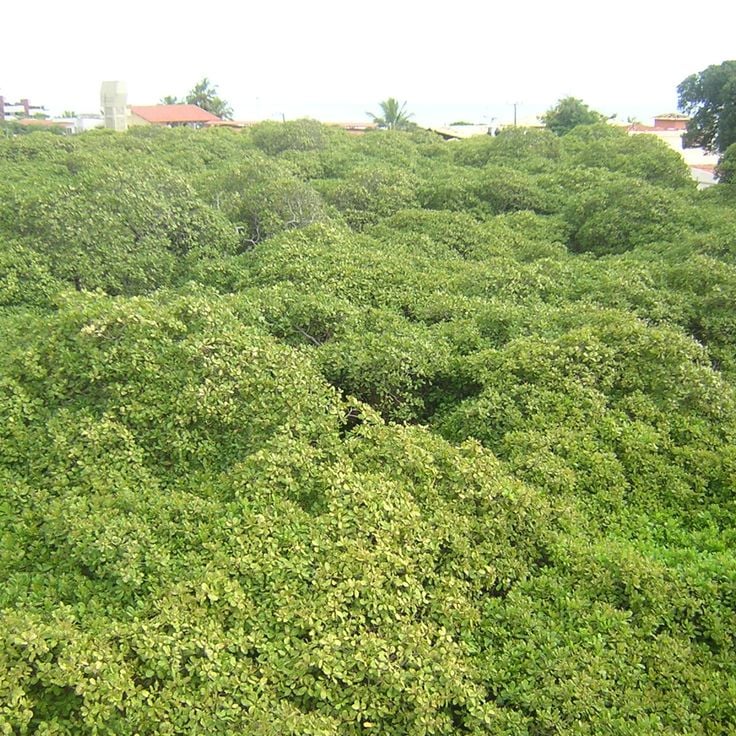
This cashew tree in Pirangi do Norte represents extraordinary growth among the botanical monuments from different continents. The branches grow downward and form new roots when they touch the ground. This creates a wide network of connected trunks. The tree covers an area of about 8,400 square meters (about 2 acres). Visitors can walk beneath the dense canopy and observe the structure up close. The shape resembles a small forest, though everything originates from a single organism.
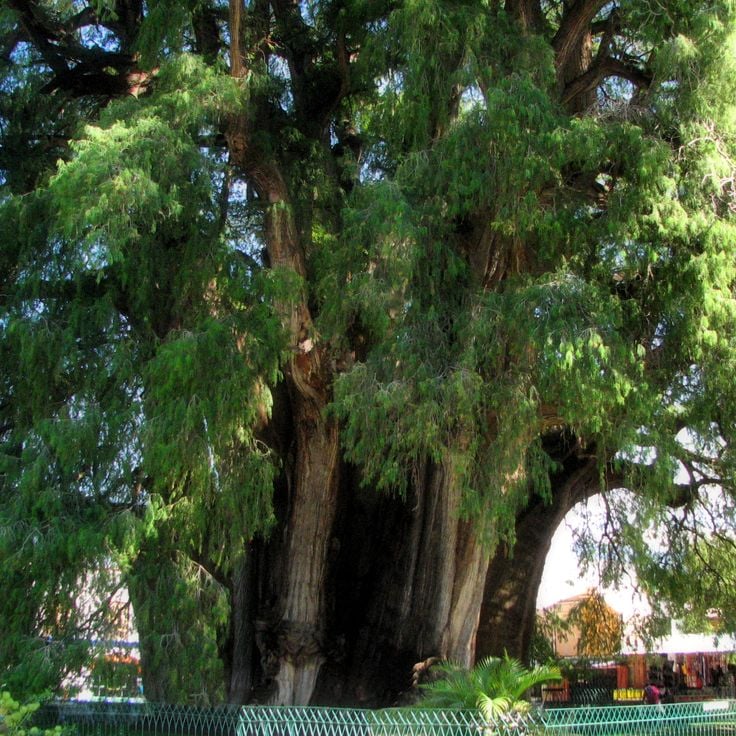
This tree is a Montezuma cypress with a trunk diameter of 46 feet (14 meters) and a height of 116 feet (35 meters). Its age is estimated at 1400 years. The Tule Tree grows in the churchyard and ranks among the thickest trees in the world. The bark forms patterns that resemble animals and faces. This tree belongs to a collection of trees from different continents recognized as natural monuments.
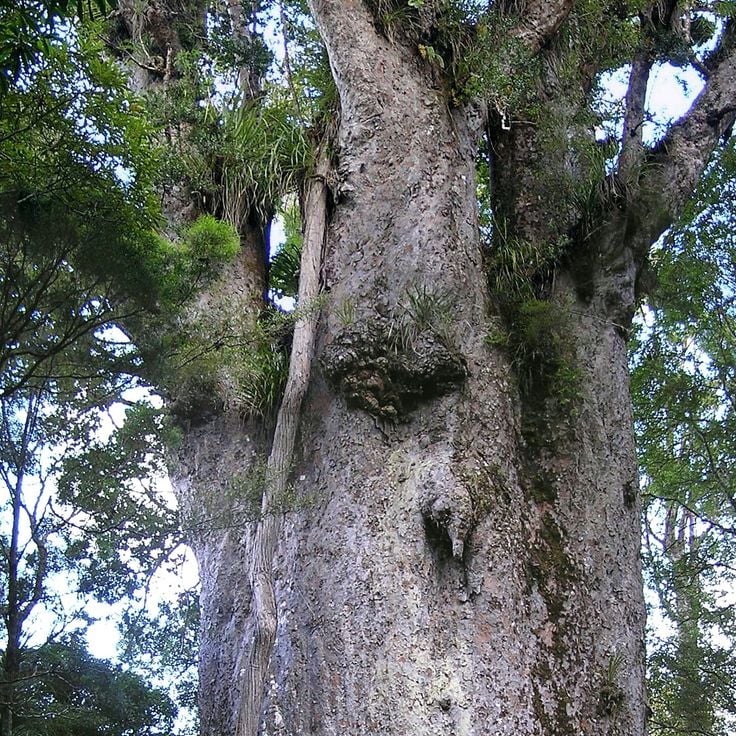
Te Matua Ngahere grows in Waipoua Forest and belongs to the botanical monuments in this collection of ancient trees. This kauri reaches a diameter of 52 feet (16 meters) and stands among other native New Zealand trees. The massive appearance shows the age and natural development of this species over centuries. The tree contributes to the identity of the forest and connects with the history of the region.
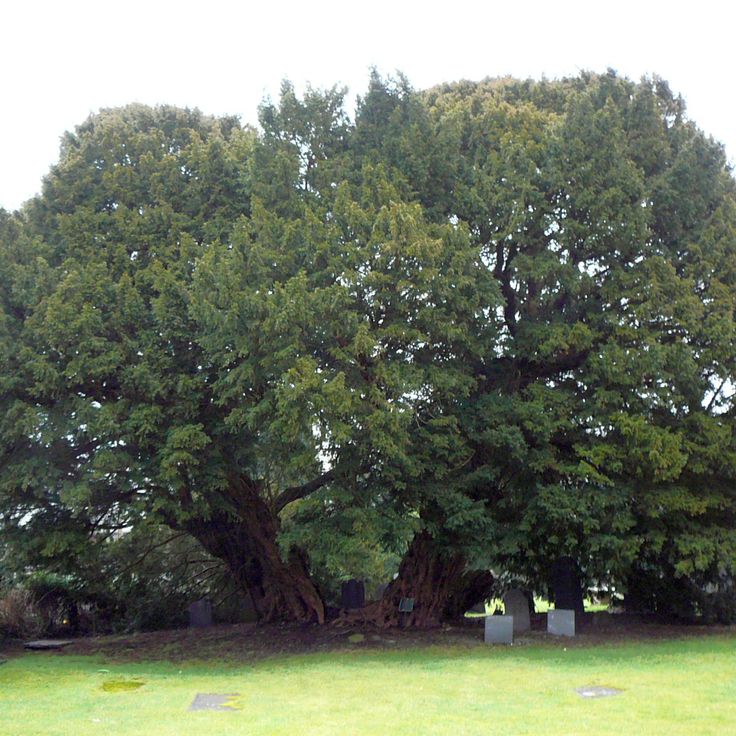
This male yew tree grows in the grounds of St. Digain's Church in Conwy and stands as one of the oldest living organisms in Europe. Scientific analysis dates the Llangernyw Yew to between 4,000 and 5,000 years old, making it one of the most important specimens of its kind. The tree represents natural heritage and connects botanical history with the local community. Its massive branches and hollow trunk show thousands of years of growth within the churchyard walls.
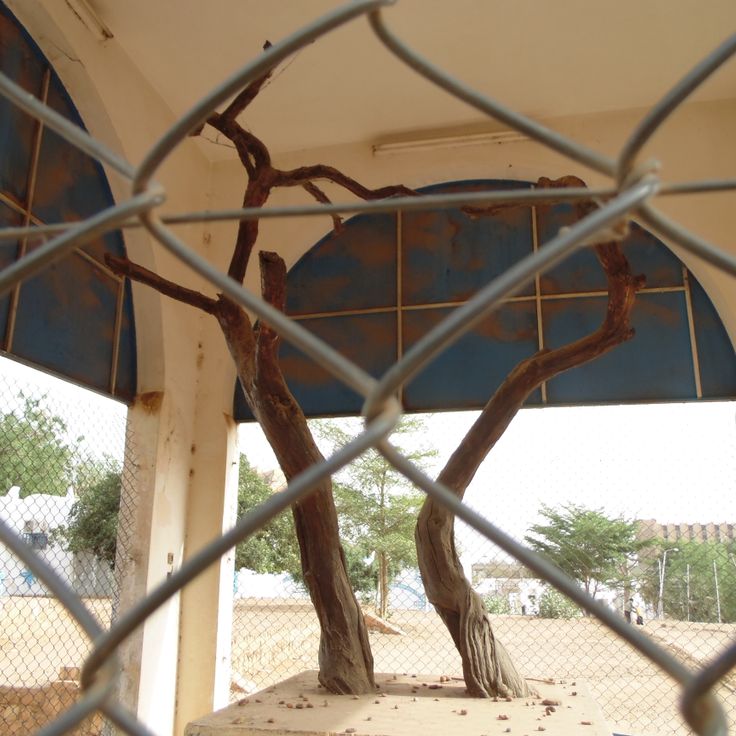
This acacia grew alone in the Sahara for centuries, helping travelers find their way across the desert. The Tree of Ténéré stood in the Ténéré Desert in Niger, far from any other plants, and was the only living thing for many kilometers around. Caravans used it as a marker on their routes through the sand. In 1973 a truck struck it, and the tree fell. Today a metal structure stands at the same spot as a memorial to this tree.
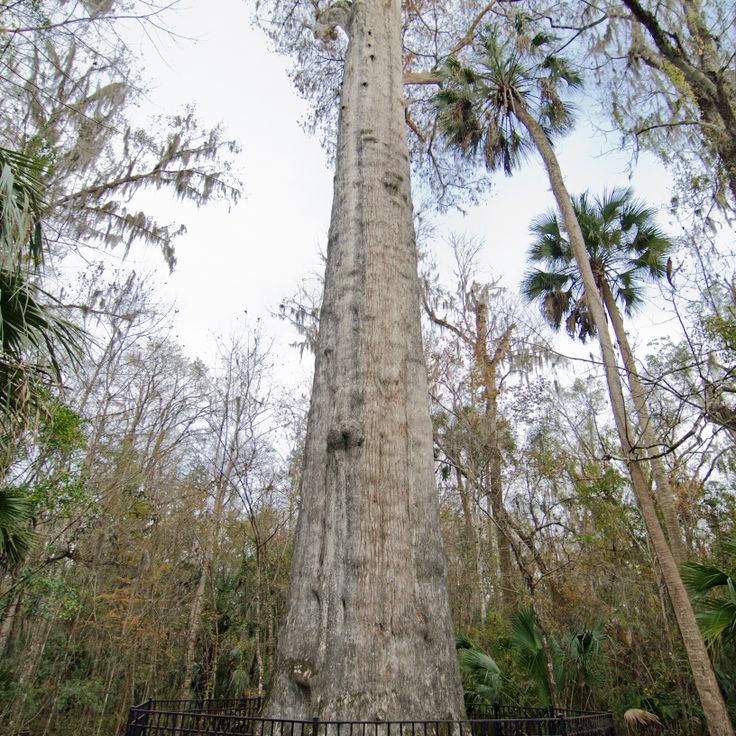
This bald cypress grew in Big Tree Park and was estimated to be about 3,500 years old. The Senator reached 38 meters (125 feet) in height and 5.2 meters (17 feet) in diameter before burning in a 2012 fire. For centuries it served as a landmark for the Seminole people and later drew visitors from across the region. Its massive trunk and gnarled bark showed thousands of years of growth in Florida's subtropical climate, surviving hurricanes and droughts until the fire destroyed it.
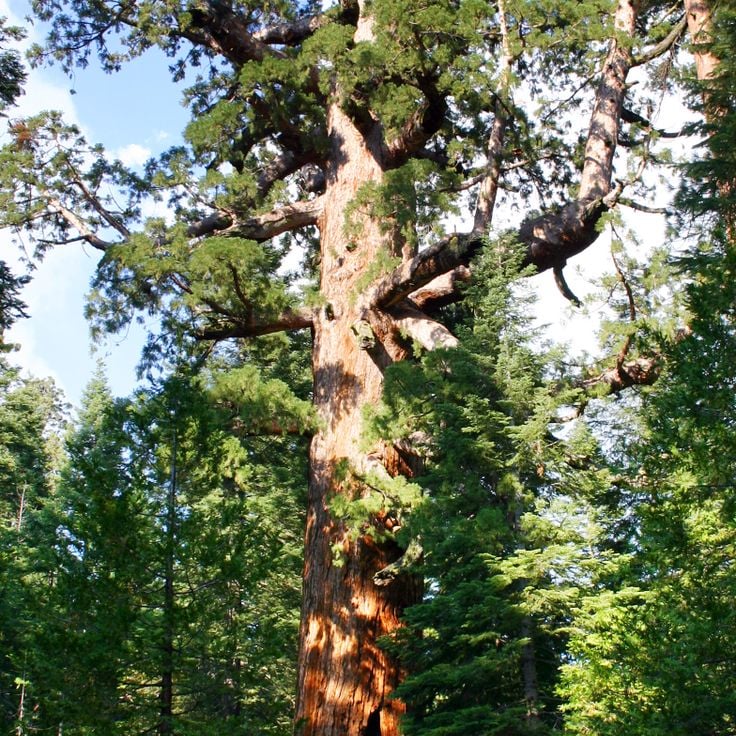
This sequoia has stood in Mariposa Grove for about 2700 years and is among the oldest trees in Yosemite National Park. The Grizzly Giant reaches 210 feet (64 meters) in height and measures 26 feet (8 meters) in diameter at the base. Its branches grow in an unusually horizontal direction, and some are as thick as smaller trees. The trunk shows fire scars from blazes that have shaped the forest ecosystem over centuries. Visitors can walk on trails through the grove and experience the scale of these ancient giant sequoias up close.
Thimmamma Marrimanu is a banyan tree near Kadiri that covers almost 5 acres. More than 1000 aerial roots support the spreading branches and connect to the ground, allowing the tree to keep growing. The Guinness Book of Records lists it as the largest single tree of its kind. Pilgrims visit the site because the tree is named after a widow who, according to tradition, committed sati here. The roots form passageways and shaded spaces beneath the dense canopy.
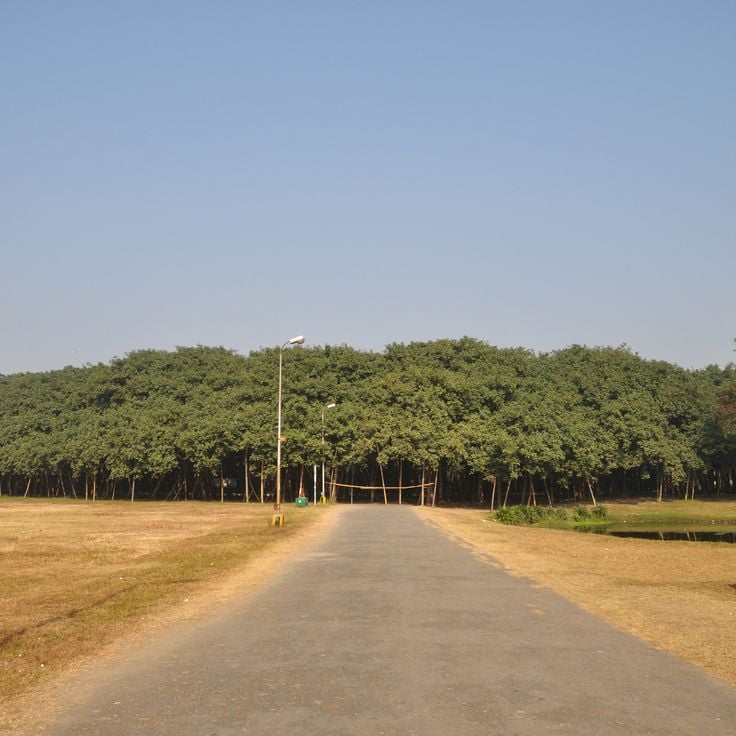
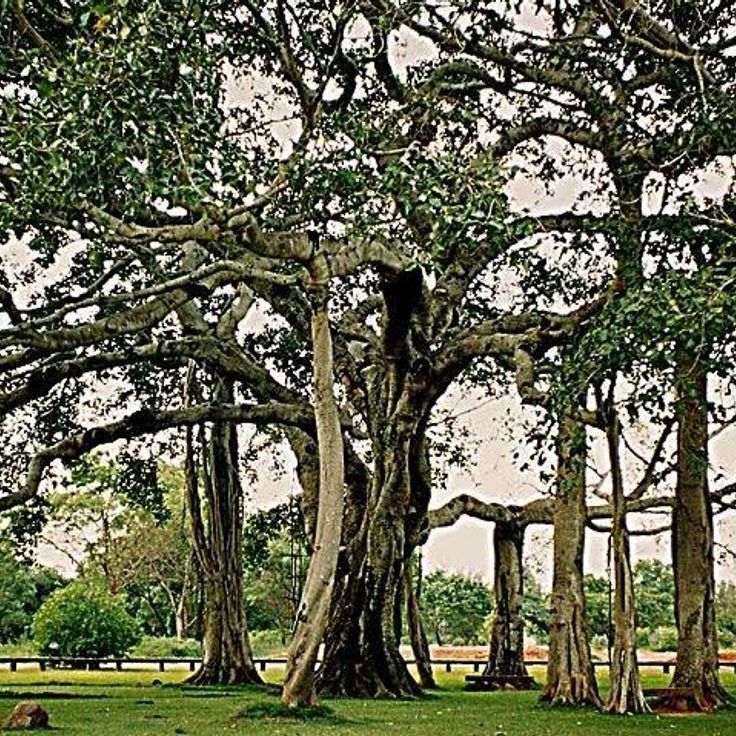
This banyan tree in Howrah is about 250 years old and covers an area of roughly 3.5 acres (1.5 hectares). The canopy is supported by more than 3000 aerial roots that grow down from the branches and form new trunks once they reach the ground. The Great Banyan is among the oldest living trees in Asia, showing how a single organism can spread over decades. Visitors walk between the column-like roots that resemble a dense forest.
This giant sequoia in Sequoia National Park, California, stands among the largest living trees on Earth. It reaches 83 meters (272 feet) in height and measures 11 meters (36 feet) across at the base. Its trunk holds 1487 cubic meters of wood. As part of a collection of notable trees from different continents, it represents the botanical records of North America. The reddish trunk tapers upward and carries a dense crown of evergreen branches. Walking trails lead through the grove, where visitors experience the scale of these ancient trees up close. The cool mountain climate and quiet forests create an environment where these giants have grown for centuries.
This spruce grows on Fulufjället Mountain and represents an extraordinary example of longevity in the plant world. The visible trunk stands about 5 meters tall, but the root system below ground dates back 9,550 years, established through carbon dating. The spruce survives through vegetative reproduction: while above-ground stems die after a few centuries, the ancient root system continues producing new shoots. It grows in the harsh environment of the Swedish highlands, where severe winters and short summers shape plant life. The tree stands among the natural monuments included in this collection for their age and botanical significance.
This pine grows in the White Mountains at 10,000 feet (3,000 meters) elevation and has reached an age of 4,853 years, making it one of the oldest living trees on Earth. Botanists determined its age by counting growth rings. The Great Basin Bristlecone Pine stands in a sparse high-altitude landscape where wind and cold have shaped the wood over thousands of years. The tree shows how life persists under extreme conditions. Its twisted branches and patchy bark tell of long winters and short growing seasons. Visitors reach the site along trails that pass through open pine forests.
This coast redwood rises to 115.92 meters (380 feet) and grows in a remote part of northern California. The tree was discovered in 2006 and ranks among the representatives of botanical heritage in this collection of natural monuments that brings together record holders for size and height from different continents.
This sacred fig tree was planted in 288 BC and grew from a branch of the original tree under which Buddha attained enlightenment. The Jaya Sri Maha Bodhi is one of the oldest documented trees in the world with a recorded history spanning more than two millennia. Pilgrims and visitors surround the tree with reverence, and its branches are supported by props. The roots reach deep into the soil of Anuradhapura, and the tree forms the spiritual center of this historic city.
This conifer stands in the mountains of southern Chile and is estimated to be around 5000 years old. The tree belongs to the oldest living organisms on Earth and grows in a remote area where cool climate and abundant rainfall have allowed its slow growth over thousands of years.
This old tree grows in Sherwood Forest and carries the memory of Robin Hood legends. The oak is between 800 and 1000 years old, its trunk measuring about 33 feet (10 meters) around. Support beams help the spreading branches bear their weight. The tree is the most famous specimen in the forest and ranks among the oldest oaks in England.
This tree stands on a granite outcrop overlooking the Pacific Ocean and belongs to the trees known for their exposed locations. The roughly 250-year-old cypress grows on the coast at Pebble Beach, where wind and saltwater have shaped its form. The Lone Cypress is an example of trees that survive in harsh environments and become symbols of their regions. Its isolated position on the rocky point makes it a landmark along the California coast.
This ancient pine once grew at 10,000 feet (3,000 meters) on Wheeler Peak and reached an age of 4,862 years before being cut down in 1964 for research purposes. The Great Basin Bristlecone Pine belongs to a species that withstands extreme conditions in the high elevations of the mountain range. For thousands of years, this tree endured wind, cold, and barren soils, becoming one of the oldest known organisms on Earth. The story of this specimen shows the scientific value of these botanical monuments, which serve as natural time archives.
This baobab stood for about 1,400 years in Nxai Pan National Park before it collapsed in 2016. It was one of the largest of its kind in Africa, measuring 82 feet (25 meters) in circumference. Climate changes eventually caused the ancient trunk to fall. Chapman Baobab was an important natural monument in the region and carried the name of a 19th-century explorer.
This tree grows on the Dixam Plateau in Socotra. Its branches spread into a dense canopy that provides shade and helps retain moisture in the soil below. When the bark is cut, it releases a dark red sap that locals have used for centuries. The trees grow on limestone ground between 1,000 and 5,000 feet (300 to 1,500 meters) above sea level and shape the island landscape. As part of this collection of botanical natural monuments, this tree shows how plants adapt to harsh island conditions.
This boab tree stands in Derby and has a trunk circumference of about 49 feet (15 meters). Its bottle shape makes it one of the most notable specimens in Western Australia. In the 1890s, the hollow interior served as a temporary holding place for Aboriginal prisoners being taken to trial. The tree connects botanical features with a painful part of Australian colonial history and now stands as a living witness to past times.
This white horse chestnut tree offered comfort to Anne Frank during her time in hiding, as she recorded in her wartime diary from 1942 to 1944. The tree grew in the backyard and was visible through the attic window. Its blossoms in spring and green foliage in summer provided a connection to the outside world for the family confined to the secret annex. As a living natural monument, this tree joins the collection of notable trees from different continents that represent botanical and cultural heritage.
This kapok tree marked the spot where freed slaves founded their settlement in 1792. People gathered beneath its branches to share news and discuss public matters. The tree grew into a living center of Freetown, where markets took place and community meetings were held. Its roots reach deep into the history of Sierra Leone, and its branches cast shade over the square where generations came together. The Freetown Cotton Tree stands as a natural monument connecting the city's beginnings with its present.
This tree has stood on Johns Island for more than four centuries and ranks among the oldest living oaks in the southeastern United States. Its spreading branches extend horizontally and form a natural canopy that covers several hundred square meters. The bark is thick and furrowed, and the trunk measures about 8.5 meters (28 feet) around. Like other old specimens of this kind, it carries green leaves throughout the year and provides shade during hot summer days. The branches often droop toward the ground and are sometimes supported by wooden props. The tree draws visitors who walk beneath its limbs and experience the scale of this living natural monument.
This baobab in Limpopo is around a thousand years old. The trunk measures over 47 meters (154 feet) in circumference and has hollowed out over time. Inside this hollow space sits a bar with room for fifteen people. The tree shows the age and extraordinary scale that African baobabs can reach, combining natural history with an unusual human use.
This forest forms one of the largest living organisms on Earth. The 47,000 quaking aspens at Fish Lake are not separate trees but shoots from a single ancient root system. In fall the leaves turn gold simultaneously since all stems are genetically identical. The underground network spreads across roughly 106 acres (43 hectares) and may be several thousand years old. The colony responds to wildfires by sending up new growth from the roots. Hiking trails wind through the dense grove where the characteristic rustling of heart-shaped leaves can be heard in the breeze.
The trees at Shaped Trees Garden grew through decades of grafting and training to form geometric patterns. Hearts, spirals, ladders, and knots emerged from human design and natural growth. This garden presents living sculptures that stand as botanical heritage within this collection of notable trees from different continents.
This redwood has stood in California for about 2400 years and reaches a height of 315 feet (96 meters). A tunnel was carved through its base, wide enough for vehicles to pass through. The passage shows the extraordinary width of the trunk and makes this redwood a natural monument representing both its great age and the human encounter with nature. The tree belongs to the botanical landmarks that have grown over centuries and still draw visitors today.
These cedars in Bsharri are among the last remains of forests that once covered large parts of Lebanon and appear in biblical texts. The grove holds 375 trees, some more than 1000 years old. Their thick trunks and spreading crowns show the typical shape of old cedars. The grove sits in the mountains and is protected as a natural monument. As part of this collection of notable trees from different continents, the cedars represent botanical heritage and the history of the landscape.
This mesquite tree has stood in the Sakhir Desert for 400 years, surviving in extreme conditions. At nearly 33 feet (10 meters) tall, it grows in a place with no visible water source. Its deep root system reaches hidden groundwater reserves far below the surface. The tree shows how some species adapt to the harshest climates. It serves as an example of natural resilience and belongs to the botanical heritage of the region. Visitors find a rare sight here in an otherwise barren landscape of Bahrain.
This Giant Sequoia in Sequoia National Park, California, stands among natural monuments like General Sherman and Hyperion, representing size and age in Earth's botanical heritage. The tree has stood for 3,200 years and reaches 75 meters in height (246 feet). Its trunk holds 1,278 cubic meters (45,000 cubic feet) of wood, showing the exceptional scale of this species. Visitors come to see these ancient specimens that impress through their mass and longevity. The park protects these trees as part of the region's natural heritage.
This olive tree in Vouves measures 15 feet (4.6 meters) across its trunk and still produces olives after roughly 3,000 years of life. Like other living monuments in this collection of trees from different continents, it shows how nature can persist through time. Its twisted roots and hollow trunk tell the story of centuries of Mediterranean life. Locals still harvest olives from its branches, and the wood feels rough and warm under the Cretan sun.
This oak in Manthorpe has stood for centuries and measures over 12 meters around its trunk. The interior is hollow and large enough that twenty people once dined inside. The tree belongs to the oldest oaks in England and shows how long such trees can endure.
Kings Canyon National Park, California, United States
This giant sequoia stands in Kings Canyon National Park and is among the largest trees in the world. General Grant measures 268 feet tall (82 meters) with a diameter of 40 feet (12 meters). The tree belongs to the natural monuments that represent botanical heritage across the earth. Its trunk reaches an enormous volume, making it the third largest tree by total mass. Visitors can walk around the base and experience the dimensions directly.
This tree stands deep in the forests of Yakushima, an island off the southern coast of Japan known for its mountains and heavy rainfall. The Jomon Cedar is one of the oldest living trees in the country, with estimates placing its age between two thousand and seventy-two hundred years. The trunk measures more than 53 feet (16 meters) around, and the tree rises to about 83 feet (25 meters) in height. Moss and ferns cling to the bark, shaped by centuries of wind and moisture. Trails wind through the forest, and reaching this tree requires a hike of several hours through steep terrain. The air is often cool and damp, with mist drifting between the trunks. The name refers to the Jōmon period, an early chapter in Japanese history. Many visitors see this tree as a symbol of endurance and natural history. The area is part of a UNESCO World Heritage site, and the island draws those who want to walk among ancient groves and experience the quiet of the mountains.
This cashew tree in Pirangi do Norte represents extraordinary growth among the botanical monuments from different continents. The branches grow downward and form new roots when they touch the ground. This creates a wide network of connected trunks. The tree covers an area of about 8,400 square meters (about 2 acres). Visitors can walk beneath the dense canopy and observe the structure up close. The shape resembles a small forest, though everything originates from a single organism.
This tree is a Montezuma cypress with a trunk diameter of 46 feet (14 meters) and a height of 116 feet (35 meters). Its age is estimated at 1400 years. The Tule Tree grows in the churchyard and ranks among the thickest trees in the world. The bark forms patterns that resemble animals and faces. This tree belongs to a collection of trees from different continents recognized as natural monuments.
Te Matua Ngahere grows in Waipoua Forest and belongs to the botanical monuments in this collection of ancient trees. This kauri reaches a diameter of 52 feet (16 meters) and stands among other native New Zealand trees. The massive appearance shows the age and natural development of this species over centuries. The tree contributes to the identity of the forest and connects with the history of the region.
This male yew tree grows in the grounds of St. Digain's Church in Conwy and stands as one of the oldest living organisms in Europe. Scientific analysis dates the Llangernyw Yew to between 4,000 and 5,000 years old, making it one of the most important specimens of its kind. The tree represents natural heritage and connects botanical history with the local community. Its massive branches and hollow trunk show thousands of years of growth within the churchyard walls.
This acacia grew alone in the Sahara for centuries, helping travelers find their way across the desert. The Tree of Ténéré stood in the Ténéré Desert in Niger, far from any other plants, and was the only living thing for many kilometers around. Caravans used it as a marker on their routes through the sand. In 1973 a truck struck it, and the tree fell. Today a metal structure stands at the same spot as a memorial to this tree.
This bald cypress grew in Big Tree Park and was estimated to be about 3,500 years old. The Senator reached 38 meters (125 feet) in height and 5.2 meters (17 feet) in diameter before burning in a 2012 fire. For centuries it served as a landmark for the Seminole people and later drew visitors from across the region. Its massive trunk and gnarled bark showed thousands of years of growth in Florida's subtropical climate, surviving hurricanes and droughts until the fire destroyed it.
This sequoia has stood in Mariposa Grove for about 2700 years and is among the oldest trees in Yosemite National Park. The Grizzly Giant reaches 210 feet (64 meters) in height and measures 26 feet (8 meters) in diameter at the base. Its branches grow in an unusually horizontal direction, and some are as thick as smaller trees. The trunk shows fire scars from blazes that have shaped the forest ecosystem over centuries. Visitors can walk on trails through the grove and experience the scale of these ancient giant sequoias up close.
Thimmamma Marrimanu is a banyan tree near Kadiri that covers almost 5 acres. More than 1000 aerial roots support the spreading branches and connect to the ground, allowing the tree to keep growing. The Guinness Book of Records lists it as the largest single tree of its kind. Pilgrims visit the site because the tree is named after a widow who, according to tradition, committed sati here. The roots form passageways and shaded spaces beneath the dense canopy.
This banyan tree in Howrah is about 250 years old and covers an area of roughly 3.5 acres (1.5 hectares). The canopy is supported by more than 3000 aerial roots that grow down from the branches and form new trunks once they reach the ground. The Great Banyan is among the oldest living trees in Asia, showing how a single organism can spread over decades. Visitors walk between the column-like roots that resemble a dense forest.
This giant sequoia in Sequoia National Park, California, stands among the largest living trees on Earth. It reaches 83 meters (272 feet) in height and measures 11 meters (36 feet) across at the base. Its trunk holds 1487 cubic meters of wood. As part of a collection of notable trees from different continents, it represents the botanical records of North America. The reddish trunk tapers upward and carries a dense crown of evergreen branches. Walking trails lead through the grove, where visitors experience the scale of these ancient trees up close. The cool mountain climate and quiet forests create an environment where these giants have grown for centuries.
This spruce grows on Fulufjället Mountain and represents an extraordinary example of longevity in the plant world. The visible trunk stands about 5 meters tall, but the root system below ground dates back 9,550 years, established through carbon dating. The spruce survives through vegetative reproduction: while above-ground stems die after a few centuries, the ancient root system continues producing new shoots. It grows in the harsh environment of the Swedish highlands, where severe winters and short summers shape plant life. The tree stands among the natural monuments included in this collection for their age and botanical significance.
This pine grows in the White Mountains at 10,000 feet (3,000 meters) elevation and has reached an age of 4,853 years, making it one of the oldest living trees on Earth. Botanists determined its age by counting growth rings. The Great Basin Bristlecone Pine stands in a sparse high-altitude landscape where wind and cold have shaped the wood over thousands of years. The tree shows how life persists under extreme conditions. Its twisted branches and patchy bark tell of long winters and short growing seasons. Visitors reach the site along trails that pass through open pine forests.
This coast redwood rises to 115.92 meters (380 feet) and grows in a remote part of northern California. The tree was discovered in 2006 and ranks among the representatives of botanical heritage in this collection of natural monuments that brings together record holders for size and height from different continents.
This sacred fig tree was planted in 288 BC and grew from a branch of the original tree under which Buddha attained enlightenment. The Jaya Sri Maha Bodhi is one of the oldest documented trees in the world with a recorded history spanning more than two millennia. Pilgrims and visitors surround the tree with reverence, and its branches are supported by props. The roots reach deep into the soil of Anuradhapura, and the tree forms the spiritual center of this historic city.
This conifer stands in the mountains of southern Chile and is estimated to be around 5000 years old. The tree belongs to the oldest living organisms on Earth and grows in a remote area where cool climate and abundant rainfall have allowed its slow growth over thousands of years.
This old tree grows in Sherwood Forest and carries the memory of Robin Hood legends. The oak is between 800 and 1000 years old, its trunk measuring about 33 feet (10 meters) around. Support beams help the spreading branches bear their weight. The tree is the most famous specimen in the forest and ranks among the oldest oaks in England.
This tree stands on a granite outcrop overlooking the Pacific Ocean and belongs to the trees known for their exposed locations. The roughly 250-year-old cypress grows on the coast at Pebble Beach, where wind and saltwater have shaped its form. The Lone Cypress is an example of trees that survive in harsh environments and become symbols of their regions. Its isolated position on the rocky point makes it a landmark along the California coast.
This ancient pine once grew at 10,000 feet (3,000 meters) on Wheeler Peak and reached an age of 4,862 years before being cut down in 1964 for research purposes. The Great Basin Bristlecone Pine belongs to a species that withstands extreme conditions in the high elevations of the mountain range. For thousands of years, this tree endured wind, cold, and barren soils, becoming one of the oldest known organisms on Earth. The story of this specimen shows the scientific value of these botanical monuments, which serve as natural time archives.
This baobab stood for about 1,400 years in Nxai Pan National Park before it collapsed in 2016. It was one of the largest of its kind in Africa, measuring 82 feet (25 meters) in circumference. Climate changes eventually caused the ancient trunk to fall. Chapman Baobab was an important natural monument in the region and carried the name of a 19th-century explorer.
This tree grows on the Dixam Plateau in Socotra. Its branches spread into a dense canopy that provides shade and helps retain moisture in the soil below. When the bark is cut, it releases a dark red sap that locals have used for centuries. The trees grow on limestone ground between 1,000 and 5,000 feet (300 to 1,500 meters) above sea level and shape the island landscape. As part of this collection of botanical natural monuments, this tree shows how plants adapt to harsh island conditions.
This boab tree stands in Derby and has a trunk circumference of about 49 feet (15 meters). Its bottle shape makes it one of the most notable specimens in Western Australia. In the 1890s, the hollow interior served as a temporary holding place for Aboriginal prisoners being taken to trial. The tree connects botanical features with a painful part of Australian colonial history and now stands as a living witness to past times.
This white horse chestnut tree offered comfort to Anne Frank during her time in hiding, as she recorded in her wartime diary from 1942 to 1944. The tree grew in the backyard and was visible through the attic window. Its blossoms in spring and green foliage in summer provided a connection to the outside world for the family confined to the secret annex. As a living natural monument, this tree joins the collection of notable trees from different continents that represent botanical and cultural heritage.
This kapok tree marked the spot where freed slaves founded their settlement in 1792. People gathered beneath its branches to share news and discuss public matters. The tree grew into a living center of Freetown, where markets took place and community meetings were held. Its roots reach deep into the history of Sierra Leone, and its branches cast shade over the square where generations came together. The Freetown Cotton Tree stands as a natural monument connecting the city's beginnings with its present.
This tree has stood on Johns Island for more than four centuries and ranks among the oldest living oaks in the southeastern United States. Its spreading branches extend horizontally and form a natural canopy that covers several hundred square meters. The bark is thick and furrowed, and the trunk measures about 8.5 meters (28 feet) around. Like other old specimens of this kind, it carries green leaves throughout the year and provides shade during hot summer days. The branches often droop toward the ground and are sometimes supported by wooden props. The tree draws visitors who walk beneath its limbs and experience the scale of this living natural monument.
This baobab in Limpopo is around a thousand years old. The trunk measures over 47 meters (154 feet) in circumference and has hollowed out over time. Inside this hollow space sits a bar with room for fifteen people. The tree shows the age and extraordinary scale that African baobabs can reach, combining natural history with an unusual human use.
This forest forms one of the largest living organisms on Earth. The 47,000 quaking aspens at Fish Lake are not separate trees but shoots from a single ancient root system. In fall the leaves turn gold simultaneously since all stems are genetically identical. The underground network spreads across roughly 106 acres (43 hectares) and may be several thousand years old. The colony responds to wildfires by sending up new growth from the roots. Hiking trails wind through the dense grove where the characteristic rustling of heart-shaped leaves can be heard in the breeze.
The trees at Shaped Trees Garden grew through decades of grafting and training to form geometric patterns. Hearts, spirals, ladders, and knots emerged from human design and natural growth. This garden presents living sculptures that stand as botanical heritage within this collection of notable trees from different continents.
This redwood has stood in California for about 2400 years and reaches a height of 315 feet (96 meters). A tunnel was carved through its base, wide enough for vehicles to pass through. The passage shows the extraordinary width of the trunk and makes this redwood a natural monument representing both its great age and the human encounter with nature. The tree belongs to the botanical landmarks that have grown over centuries and still draw visitors today.
These cedars in Bsharri are among the last remains of forests that once covered large parts of Lebanon and appear in biblical texts. The grove holds 375 trees, some more than 1000 years old. Their thick trunks and spreading crowns show the typical shape of old cedars. The grove sits in the mountains and is protected as a natural monument. As part of this collection of notable trees from different continents, the cedars represent botanical heritage and the history of the landscape.
This mesquite tree has stood in the Sakhir Desert for 400 years, surviving in extreme conditions. At nearly 33 feet (10 meters) tall, it grows in a place with no visible water source. Its deep root system reaches hidden groundwater reserves far below the surface. The tree shows how some species adapt to the harshest climates. It serves as an example of natural resilience and belongs to the botanical heritage of the region. Visitors find a rare sight here in an otherwise barren landscape of Bahrain.
This Giant Sequoia in Sequoia National Park, California, stands among natural monuments like General Sherman and Hyperion, representing size and age in Earth's botanical heritage. The tree has stood for 3,200 years and reaches 75 meters in height (246 feet). Its trunk holds 1,278 cubic meters (45,000 cubic feet) of wood, showing the exceptional scale of this species. Visitors come to see these ancient specimens that impress through their mass and longevity. The park protects these trees as part of the region's natural heritage.
This olive tree in Vouves measures 15 feet (4.6 meters) across its trunk and still produces olives after roughly 3,000 years of life. Like other living monuments in this collection of trees from different continents, it shows how nature can persist through time. Its twisted roots and hollow trunk tell the story of centuries of Mediterranean life. Locals still harvest olives from its branches, and the wood feels rough and warm under the Cretan sun.
This oak in Manthorpe has stood for centuries and measures over 12 meters around its trunk. The interior is hollow and large enough that twenty people once dined inside. The tree belongs to the oldest oaks in England and shows how long such trees can endure.
Kings Canyon National Park, California, United States
This giant sequoia stands in Kings Canyon National Park and is among the largest trees in the world. General Grant measures 268 feet tall (82 meters) with a diameter of 40 feet (12 meters). The tree belongs to the natural monuments that represent botanical heritage across the earth. Its trunk reaches an enormous volume, making it the third largest tree by total mass. Visitors can walk around the base and experience the dimensions directly.
This tree stands deep in the forests of Yakushima, an island off the southern coast of Japan known for its mountains and heavy rainfall. The Jomon Cedar is one of the oldest living trees in the country, with estimates placing its age between two thousand and seventy-two hundred years. The trunk measures more than 53 feet (16 meters) around, and the tree rises to about 83 feet (25 meters) in height. Moss and ferns cling to the bark, shaped by centuries of wind and moisture. Trails wind through the forest, and reaching this tree requires a hike of several hours through steep terrain. The air is often cool and damp, with mist drifting between the trunks. The name refers to the Jōmon period, an early chapter in Japanese history. Many visitors see this tree as a symbol of endurance and natural history. The area is part of a UNESCO World Heritage site, and the island draws those who want to walk among ancient groves and experience the quiet of the mountains.
This cashew tree in Pirangi do Norte represents extraordinary growth among the botanical monuments from different continents. The branches grow downward and form new roots when they touch the ground. This creates a wide network of connected trunks. The tree covers an area of about 8,400 square meters (about 2 acres). Visitors can walk beneath the dense canopy and observe the structure up close. The shape resembles a small forest, though everything originates from a single organism.
This tree is a Montezuma cypress with a trunk diameter of 46 feet (14 meters) and a height of 116 feet (35 meters). Its age is estimated at 1400 years. The Tule Tree grows in the churchyard and ranks among the thickest trees in the world. The bark forms patterns that resemble animals and faces. This tree belongs to a collection of trees from different continents recognized as natural monuments.
Te Matua Ngahere grows in Waipoua Forest and belongs to the botanical monuments in this collection of ancient trees. This kauri reaches a diameter of 52 feet (16 meters) and stands among other native New Zealand trees. The massive appearance shows the age and natural development of this species over centuries. The tree contributes to the identity of the forest and connects with the history of the region.
This male yew tree grows in the grounds of St. Digain's Church in Conwy and stands as one of the oldest living organisms in Europe. Scientific analysis dates the Llangernyw Yew to between 4,000 and 5,000 years old, making it one of the most important specimens of its kind. The tree represents natural heritage and connects botanical history with the local community. Its massive branches and hollow trunk show thousands of years of growth within the churchyard walls.
This acacia grew alone in the Sahara for centuries, helping travelers find their way across the desert. The Tree of Ténéré stood in the Ténéré Desert in Niger, far from any other plants, and was the only living thing for many kilometers around. Caravans used it as a marker on their routes through the sand. In 1973 a truck struck it, and the tree fell. Today a metal structure stands at the same spot as a memorial to this tree.
This bald cypress grew in Big Tree Park and was estimated to be about 3,500 years old. The Senator reached 38 meters (125 feet) in height and 5.2 meters (17 feet) in diameter before burning in a 2012 fire. For centuries it served as a landmark for the Seminole people and later drew visitors from across the region. Its massive trunk and gnarled bark showed thousands of years of growth in Florida's subtropical climate, surviving hurricanes and droughts until the fire destroyed it.
This sequoia has stood in Mariposa Grove for about 2700 years and is among the oldest trees in Yosemite National Park. The Grizzly Giant reaches 210 feet (64 meters) in height and measures 26 feet (8 meters) in diameter at the base. Its branches grow in an unusually horizontal direction, and some are as thick as smaller trees. The trunk shows fire scars from blazes that have shaped the forest ecosystem over centuries. Visitors can walk on trails through the grove and experience the scale of these ancient giant sequoias up close.
Thimmamma Marrimanu is a banyan tree near Kadiri that covers almost 5 acres. More than 1000 aerial roots support the spreading branches and connect to the ground, allowing the tree to keep growing. The Guinness Book of Records lists it as the largest single tree of its kind. Pilgrims visit the site because the tree is named after a widow who, according to tradition, committed sati here. The roots form passageways and shaded spaces beneath the dense canopy.
This banyan tree in Howrah is about 250 years old and covers an area of roughly 3.5 acres (1.5 hectares). The canopy is supported by more than 3000 aerial roots that grow down from the branches and form new trunks once they reach the ground. The Great Banyan is among the oldest living trees in Asia, showing how a single organism can spread over decades. Visitors walk between the column-like roots that resemble a dense forest.