See the monuments around you in AROpen chests in the app
Around Us is built for your phone — point your camera at the streets and discover the monuments and places around you in augmented reality.Around Us is built for your phone — chests unlock when you walk, explore and capture nearby places.
South Carolina history : plantations, Charleston, beaches
South Carolina combines American history with coastal landscapes and urban parks. Charleston preserves colonial architecture from the 18th century, including the Nathaniel Russell House and Drayton Hall. Plantations such as Magnolia, Middleton Place, and Boone Hall show the agricultural past and the history of slavery, while the Old Slave Mart Museum and McLeod Plantation document this difficult era. Fort Sumter marks the beginning of the Civil War. The city offers historic churches, Rainbow Row with its colorful townhouses, and the Charleston City Market.
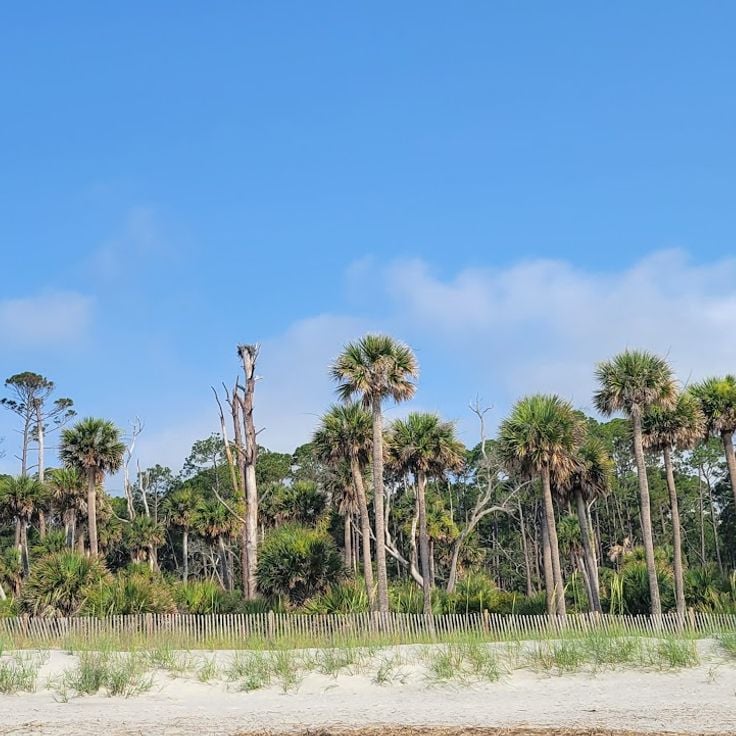
The coastal region includes beaches on Hilton Head Island, Folly Beach, and Sullivan's Island, along with state parks like Hunting Island and Huntington Beach. Brookgreen Gardens in Murrells Inlet combines sculpture with native plants. Myrtle Beach offers the SkyWheel and Broadway at the Beach. Inland, the Riverbanks Zoo in Columbia, Falls Park in Greenville with waterfalls on the Reedy River, and the Angel Oak, a centuries-old tree near Charleston. The South Carolina Aquarium and Charleston Tea Garden round out the options.
South Carolina history : plantations, Charleston, beaches
South Carolina combines American history with coastal landscapes and urban parks. Charleston preserves colonial architecture from the 18th century, including the Nathaniel Russell House and Drayton Hall. Plantations such as Magnolia, Middleton Place, and Boone Hall show the agricultural past and the history of slavery, while the Old Slave Mart Museum and McLeod Plantation document this difficult era. Fort Sumter marks the beginning of the Civil War. The city offers historic churches, Rainbow Row with its colorful townhouses, and the Charleston City Market.
The coastal region includes beaches on Hilton Head Island, Folly Beach, and Sullivan's Island, along with state parks like Hunting Island and Huntington Beach. Brookgreen Gardens in Murrells Inlet combines sculpture with native plants. Myrtle Beach offers the SkyWheel and Broadway at the Beach. Inland, the Riverbanks Zoo in Columbia, Falls Park in Greenville with waterfalls on the Reedy River, and the Angel Oak, a centuries-old tree near Charleston. The South Carolina Aquarium and Charleston Tea Garden round out the options.
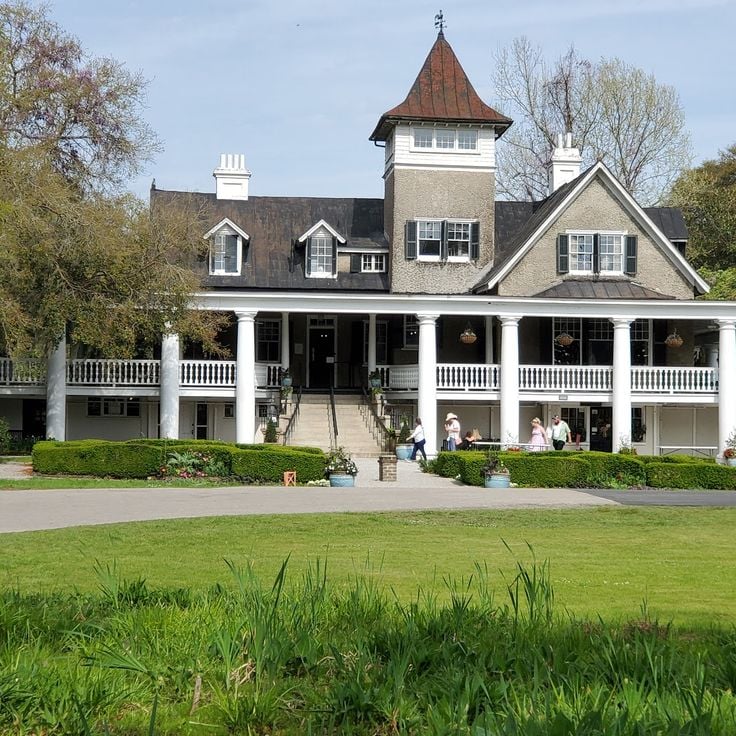
This 18th-century plantation sits on the Ashley River and ranks among Charleston's major sites for plantation and colonial history. The grounds show flower gardens, oak-lined paths, and ponds where alligators live. The buildings date from before the Civil War. Visitors also see the former homes of enslaved people who lived and worked here. The gardens stretch across many acres and are divided into different sections. Old trees shade the paths. The estate is often visited by families and groups interested in history and nature. The plantation remained in the same family for generations.
This shopping and entertainment complex is arranged around a large artificial lake. Visitors find stores, restaurants, and a movie theater. A roller coaster and other rides belong to a small amusement park. An aquarium displays marine life. Wide walkways connect the different sections. Lights glow over the water in the evening. Families and groups often spend several hours here.
This museum occupies a former naval base and displays several military ships including the USS Yorktown aircraft carrier. Visitors can walk the decks and cabins, view the World War II aircraft collection, and learn about American naval history. The exhibits include original equipment, weapons, and personal items from the crews. From the deck of the Yorktown, visitors see the harbor and the mouth of the Cooper River.
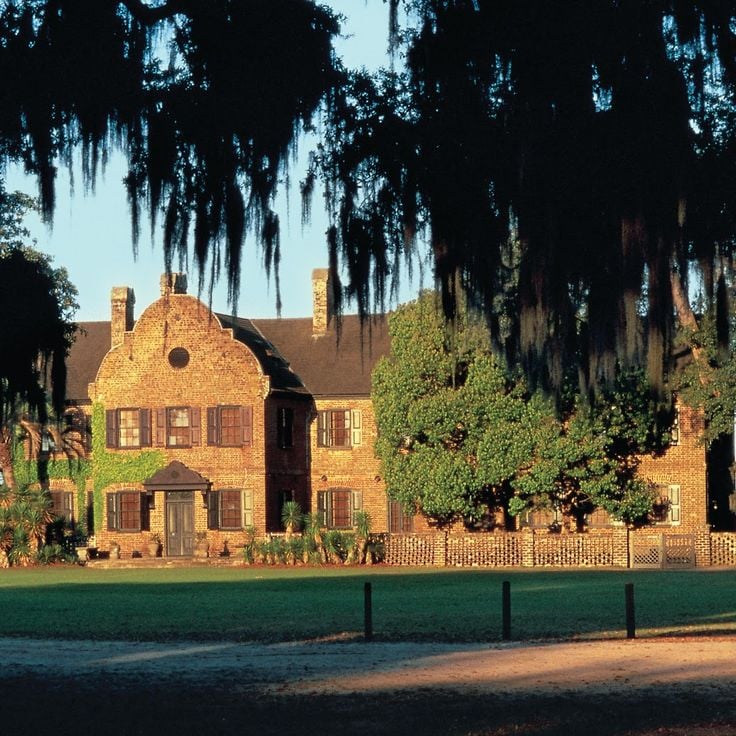
This plantation from the 18th century shows the region's roots before the Civil War. The main house dates from 1741 and blends Georgian elements with adaptations to the subtropical climate. The property includes 26 hectares (about 64 acres) of gardens in the French style, with terraced lawns, water basins, and tree-lined walks. Paths follow ponds that were built in the 18th century for irrigation. Restored outbuildings show workshops and stables from the time when rice was grown here. The grounds sit on the Ashley River and belong to the places that give insights into plantation culture and its history.
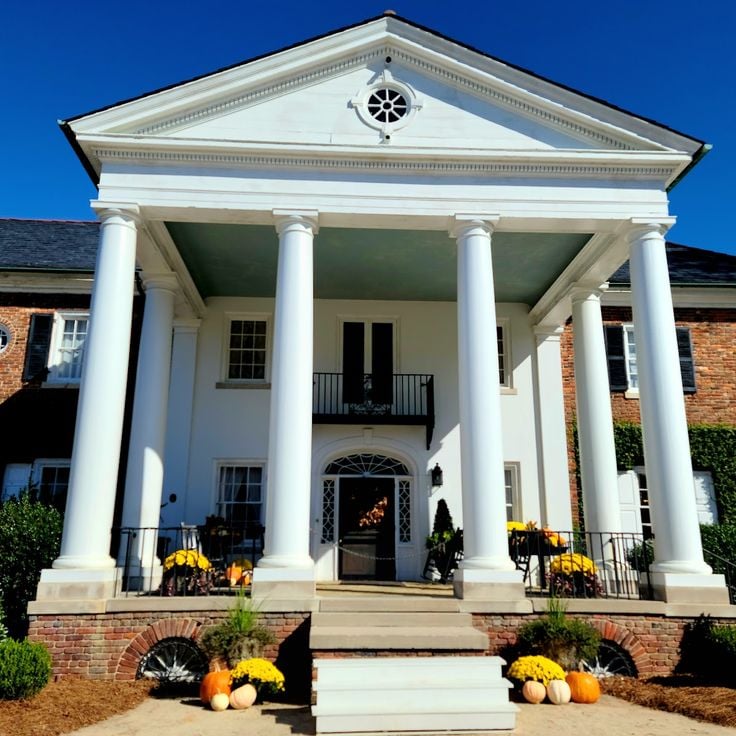
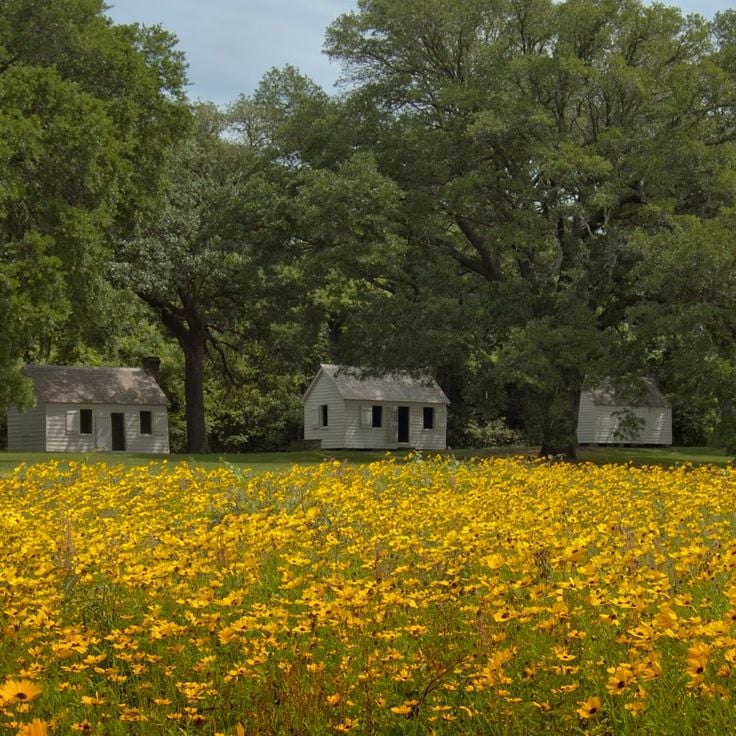
This colonial estate from 1681 features a tree-lined oak avenue leading to the main house and nine preserved brick slave cabins built between 1790 and 1810. Boone Hall Plantation represents a key site for understanding colonial history and the history of slavery in South Carolina, with structures that document different periods of plantation life and labor.
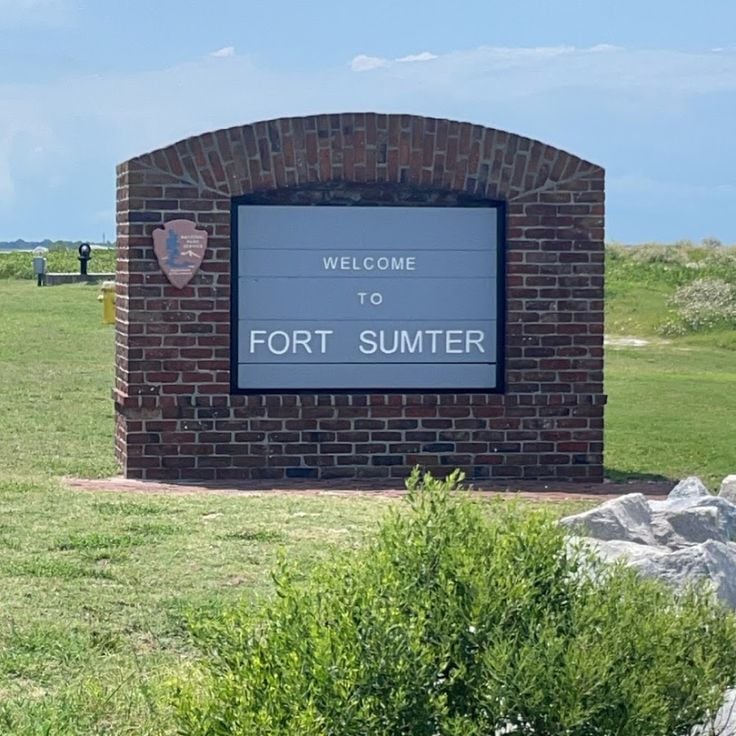
This brick fortification stands on an artificial island and marks the spot where the Civil War began in 1861. Fort Sumter includes a museum that presents the military history of the conflict, as well as preserved walls, cannons, and defensive structures that visitors can explore.
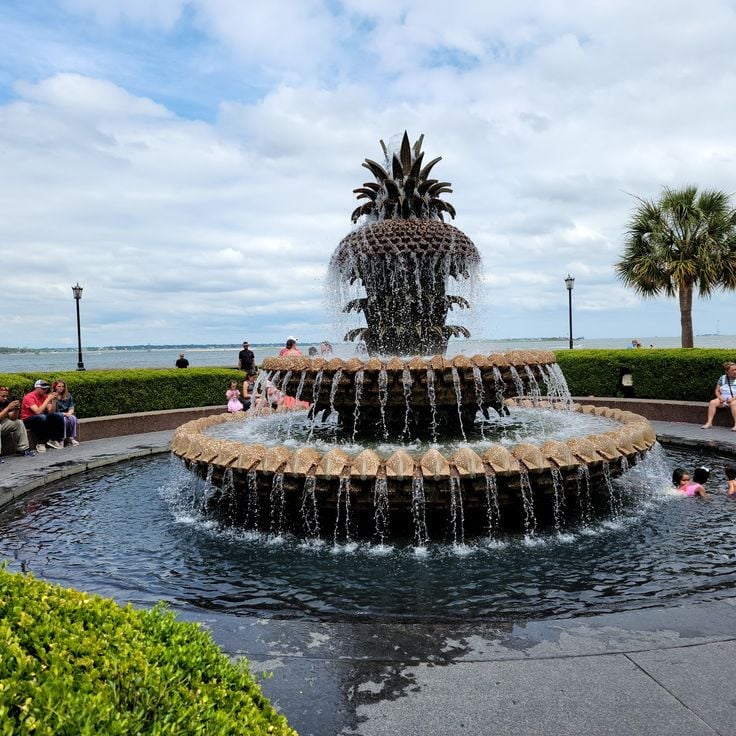
This public park stretches along the Cooper River for 12 hectares, connecting Charleston's historic downtown to the waterfront. Paved paths run through shaded sections with benches where visitors watch river traffic and passing boats. The park was built in the 1990s and includes fountains, lawns, and overlooks of the harbor. Families come here to picnic, joggers use the paths in the morning, and in the evening people gather on benches facing the Ravenel Bridge. The space links several of Charleston's historic landmarks and serves as a place to rest between walking tours of the city.
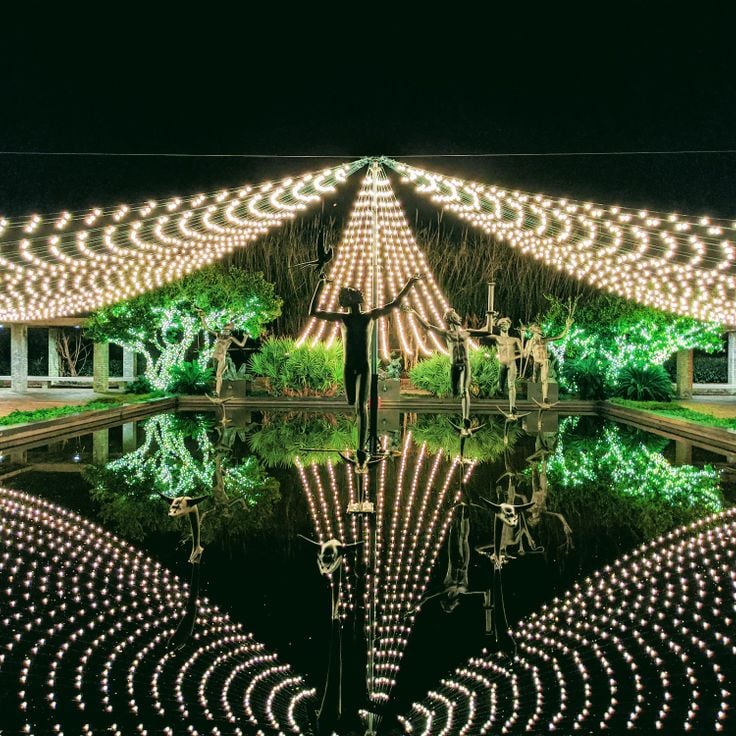
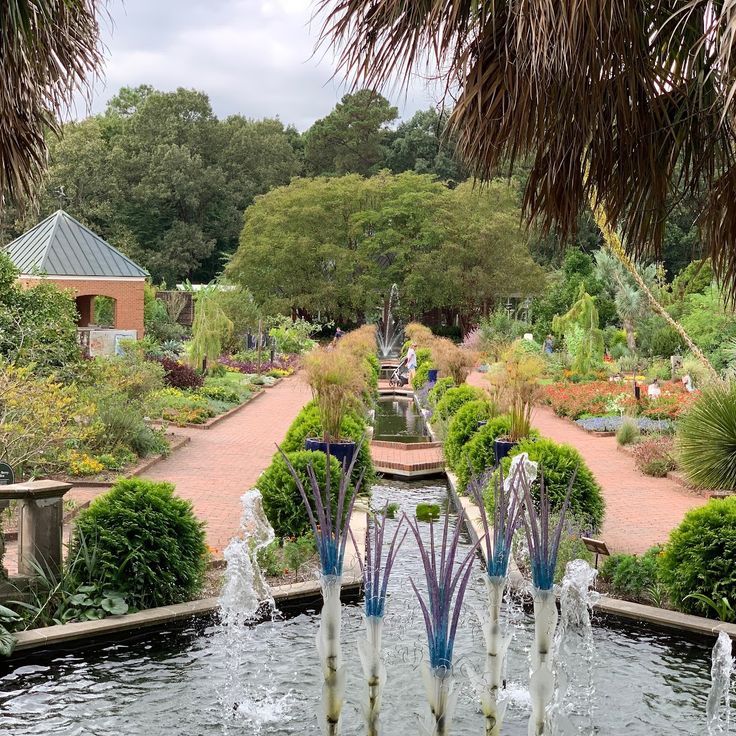
This garden holds more than 2000 American sculptures arranged among plant collections and natural areas. Brookgreen Gardens was established in 1931 and includes a wildlife preserve for native species. Visitors walk along paths through designed spaces where art appears beside trees, shrubs, and flowering plants. The grounds span several thousand acres and show how sculpture can share space with botanical displays. Brookgreen Gardens forms part of the cultural heritage of South Carolina, bringing together art, horticulture, and local wildlife in one place.
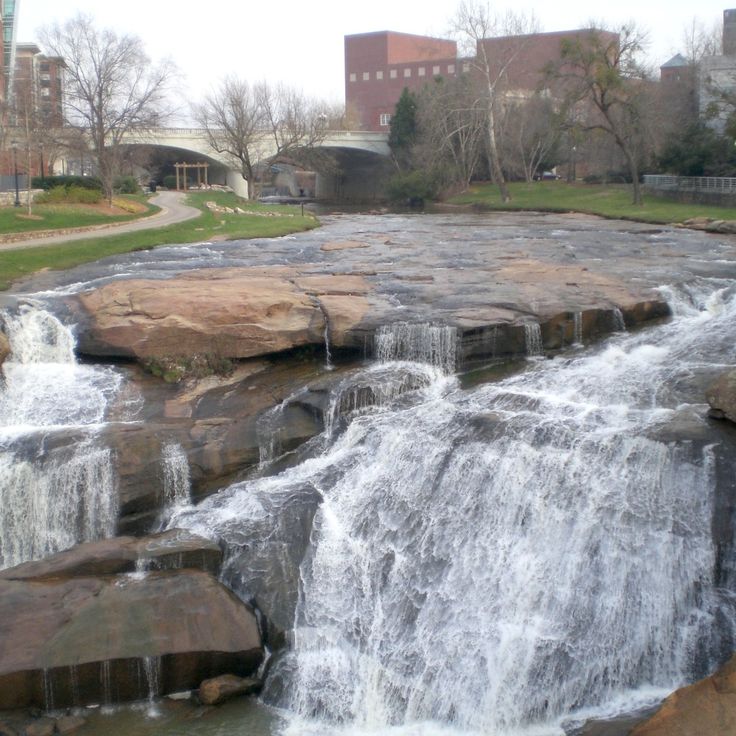
Falls Park on the Reedy is a public garden along the Reedy River with 30 acres of trails, lawns, and a pedestrian bridge that crosses the waterfall. The park sits in the middle of downtown Greenville and provides a short walk along the river, where water rushes over wide rock ledges and forms a natural basin below. The suspension bridge runs above the rapids and gives views of the water beneath your feet. Along the paths you find benches, open grass, and shaded spots under old trees. Families come to picnic, joggers use the trails, and in the evening people sit on the steps by the river. The park connects nature with a city center just a few blocks away, making it a place for a quick break or a longer stay by the water.
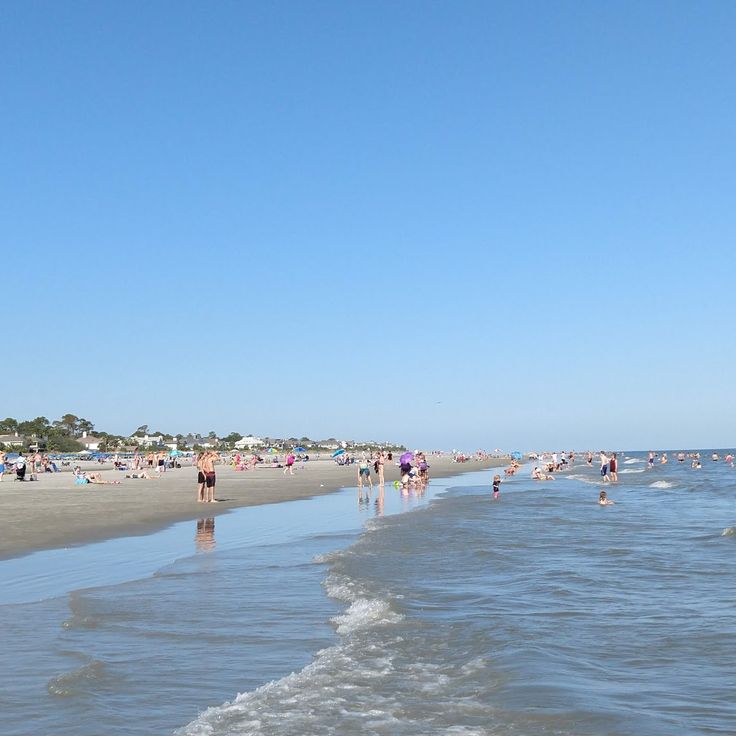
This public beach stretches 20 kilometers along Hilton Head Island. Showers, restrooms, and picnic tables stand near the main access points. Ramps and wide paths allow wheelchair users to reach the sand. Families gather at shaded tables beneath pavilions. Trails wind through dunes covered in sea oats and low shrubs. In the morning, joggers run on the firm sand. Afternoons bring children who build castles and wade near the shore. The sand is pale and fine, the water usually calm. Lifeguard towers appear at regular intervals.
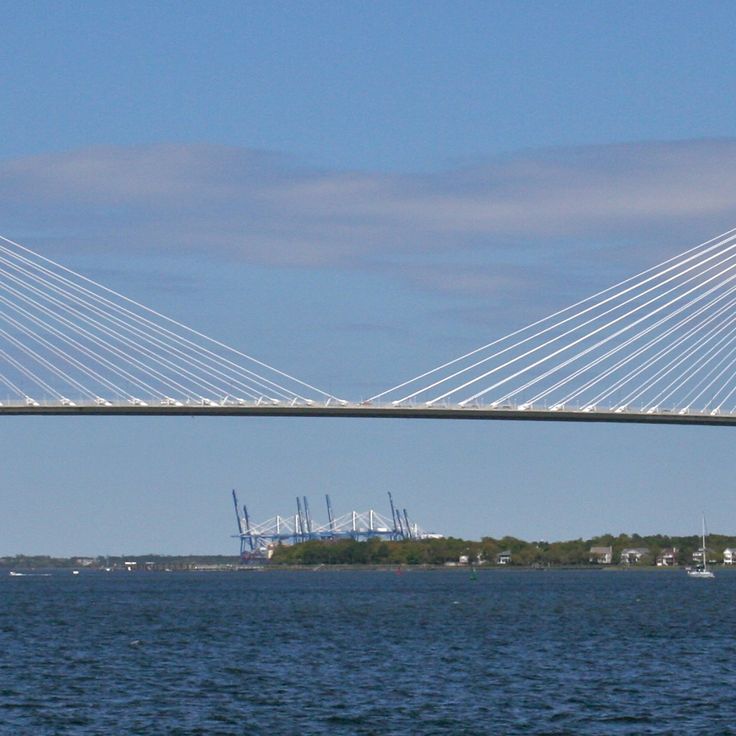
This bridge connects Charleston to Mount Pleasant across the Cooper River. It is 4 kilometers long and carries several lanes of traffic. Alongside the roadway, there are separate paths for bicycles and pedestrians, offering views over the harbor and the city. The structure rests on two tall towers that support the deck with steel cables. Many locals use the bridge for jogging or cycling, especially in the morning and evening. It serves as an important part of the regional infrastructure, linking residential areas with the downtown.
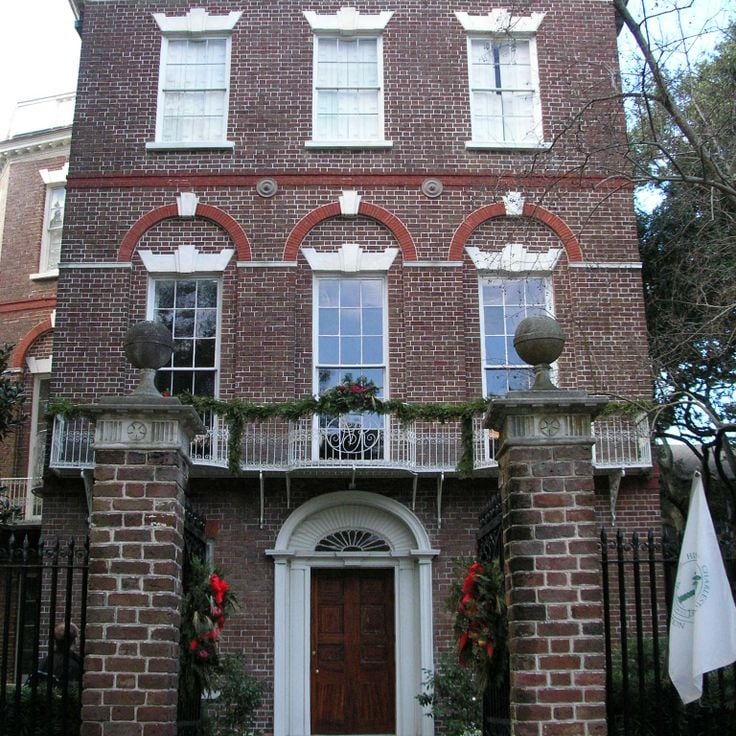
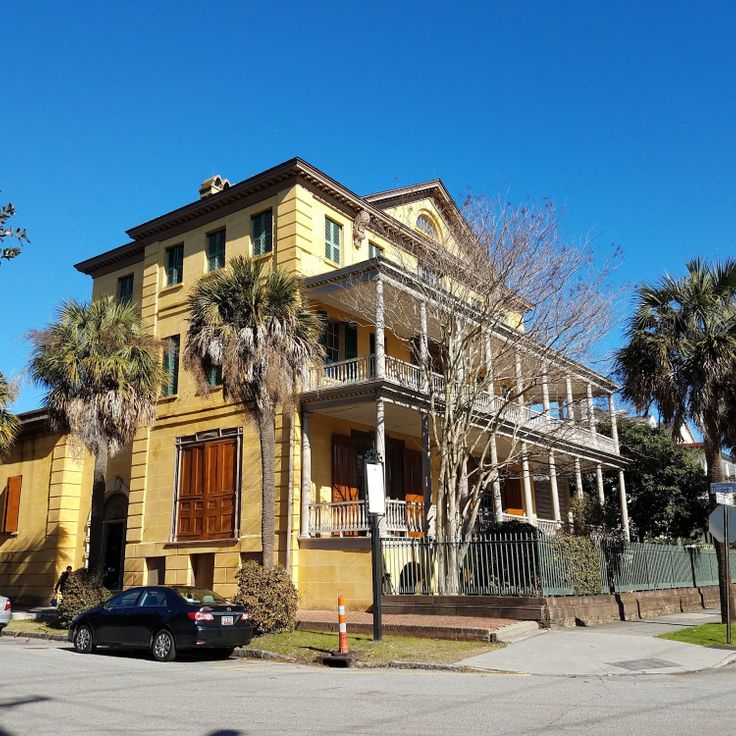
This residence built in 1808 stands among the most important historic buildings in Charleston and displays the neoclassical architecture of the early American republic. The interior preserves a freestanding spiral staircase that winds through three floors, along with furniture and art from the period. The garden behind the house follows early 19th-century design principles and offers a quiet retreat in the city center. Visitors can explore the Nathaniel Russell House through guided tours that examine the life of the wealthy Russell family and the history of the enslaved people who worked here.
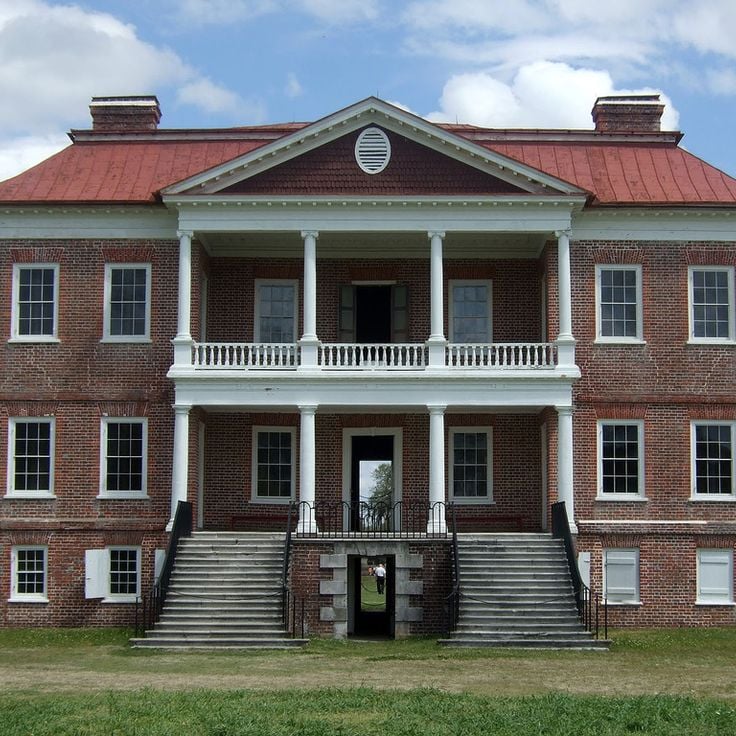
This residence was built in 1738 and retains its original structure with carved woodwork, ornamented ceilings, and a wide mahogany staircase at the center of the building. Drayton Hall stands as evidence of colonial architecture in South Carolina and shows how wealthy families lived before the Revolution. The rooms remain unheated and unfurnished, allowing visitors to observe architectural details without distraction. The house survived wars and natural disasters without major alterations.
This coastal park protects a landscape of white sand beach, maritime forest, and trails. An old lighthouse from the 19th century still stands on the shore and can be climbed. The grounds show the typical vegetation of the Atlantic coast with palms, oaks, and salt-resistant plants. Visitors come here to hike, swim, and watch birds.
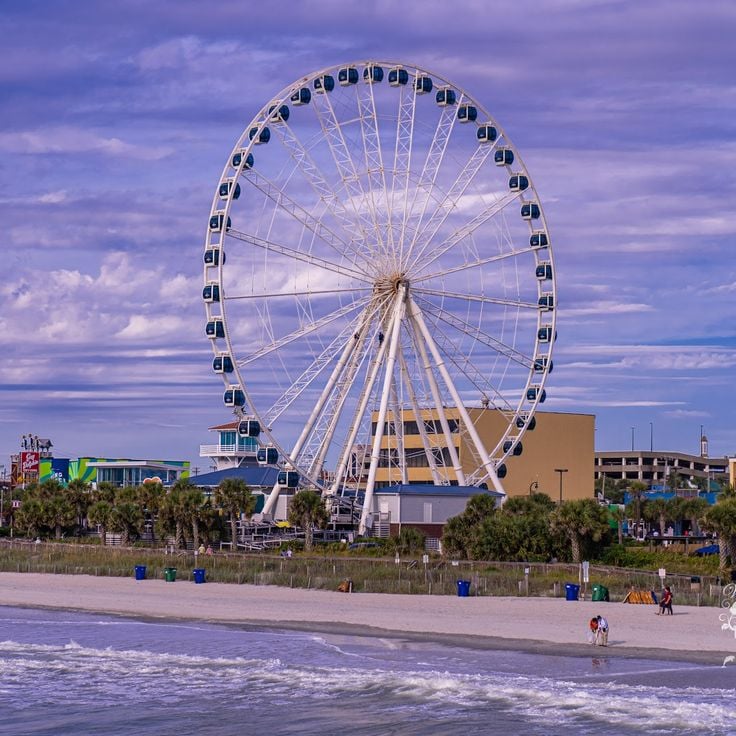
This Ferris wheel stands directly on the Myrtle Beach boardwalk and rises 187 feet (57 meters) above the coastline. Climate-controlled cabins circle through the ride offering views of the Atlantic, the sandy shore, and the surrounding city. SkyWheel Myrtle Beach complements South Carolina's historical sites with a modern attraction that lets visitors see the coastal landscape from above.
This zoo houses animals from different continents in naturalistic enclosures. Paths lead through areas with African elephants, gorillas, and giraffes. A garden displays native and tropical plants. In summer, a water playground opens for children. The grounds sit along the Saluda River and feature ziplines, picnic areas, and covered pavilions. Visitors can observe species from South America, Asia, and Australia. A butterfly house and a reptile section complete the offering.
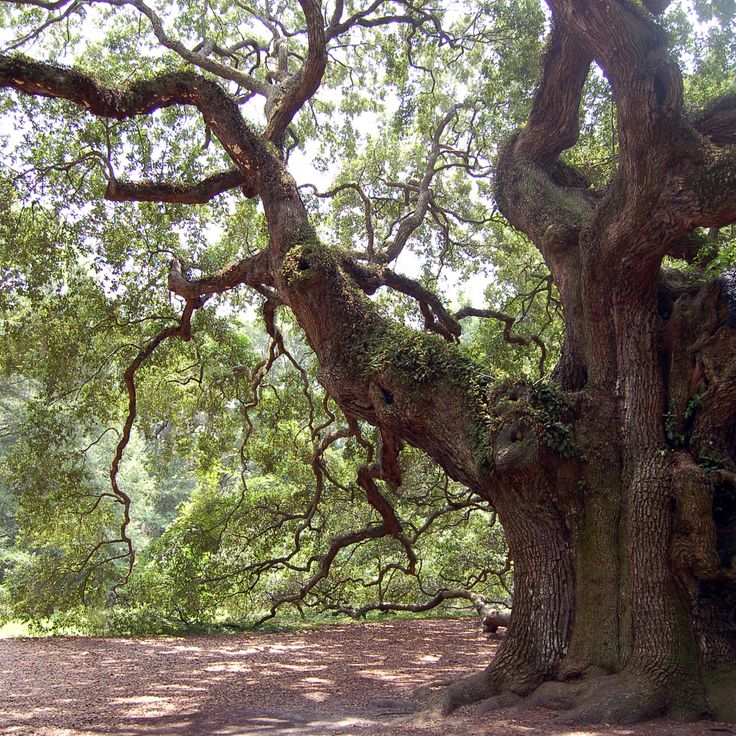
This tree is one of the oldest living things in South Carolina and marks a piece of Charleston's natural history. Angel Oak was already here before European settlers arrived, and it has grown over the centuries to its current size. The branches spread out horizontally and sometimes touch the ground, so visitors can walk beneath a green canopy of leaves and wood. The bark is rough and marked with deep grooves. The trunk is wide enough that several people would need to join hands to encircle it. There is a small park around the tree with paths that lead visitors along its perimeter. People come here to look at the age and shape of the tree, take photographs, or simply rest in the shade.
This 18th-century cotton plantation keeps its original buildings and presents exhibits on the plantation system and the lives of enslaved people. The site offers insight into cotton production history and the social structures of that era. Visitors can walk through the preserved rooms and learn about the people who lived and worked here. McLeod Plantation is among Charleston's heritage sites that document colonial history and slavery.
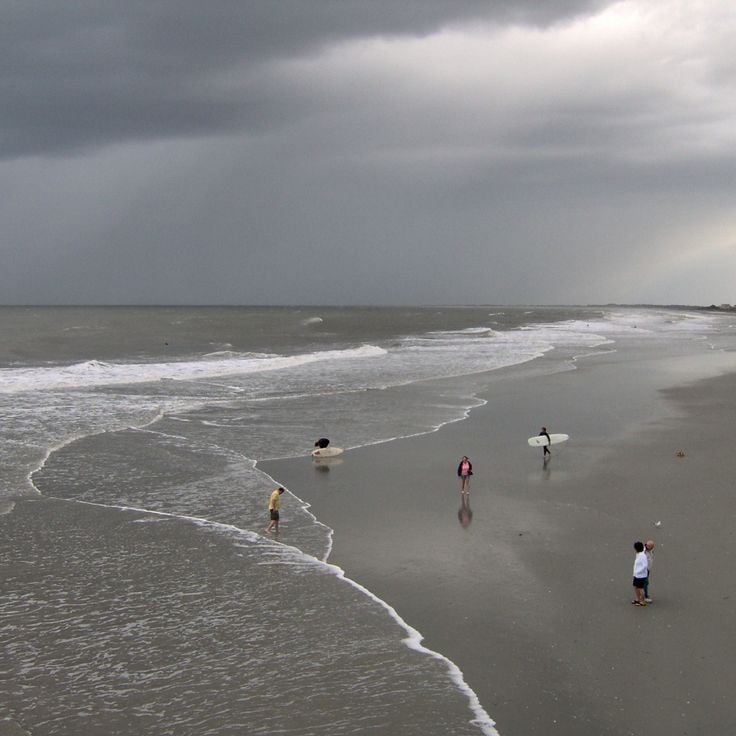
This beach stretches for 10 kilometers (6 miles) along the Atlantic coast and offers wide expanses of sand popular with surfers and swimmers. Folly Beach County Park features supervised swimming areas where lifeguards watch over visitors during the summer season. Shaded pavilions and picnic tables provide places to rest between trips to the water. A 300-meter (1,000-foot) fishing pier extends into the ocean and draws anglers seeking flounder, mackerel, and other coastal fish. The park sits at the western end of the island where waves often roll in higher than at more sheltered sections. Showers, changing facilities, and a concession stand make visits more comfortable for families spending the day by the sea.
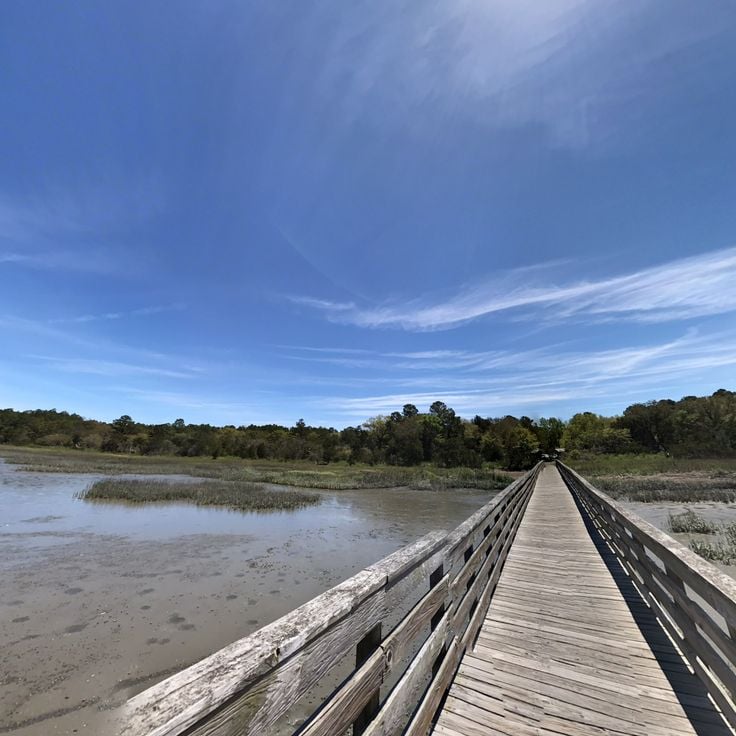
This coastal park covers around 1,000 hectares (about 2,500 acres) and includes a 3-mile sandy beach, trails through maritime forests and marshlands, and an environmental education center. The site lies south of Myrtle Beach and protects dunes, salt flats, and nesting grounds for shorebirds. Visitors can follow walking paths, watch for alligators and wading birds, or explore Atalaya, a historic home built as a winter retreat in the 1930s. The beach is used for swimming, fishing, and walking along the water's edge.
This residence was built in 1820 and keeps its original structure with the kitchen, quarters for servants, and stables still in place. Walls and furnishings remain in their historic condition, showing how a plantation family lived in Charleston during the 19th century. Visitors see the rooms without later restoration, offering a direct look at life before and after the Civil War, including the conditions of enslaved people.
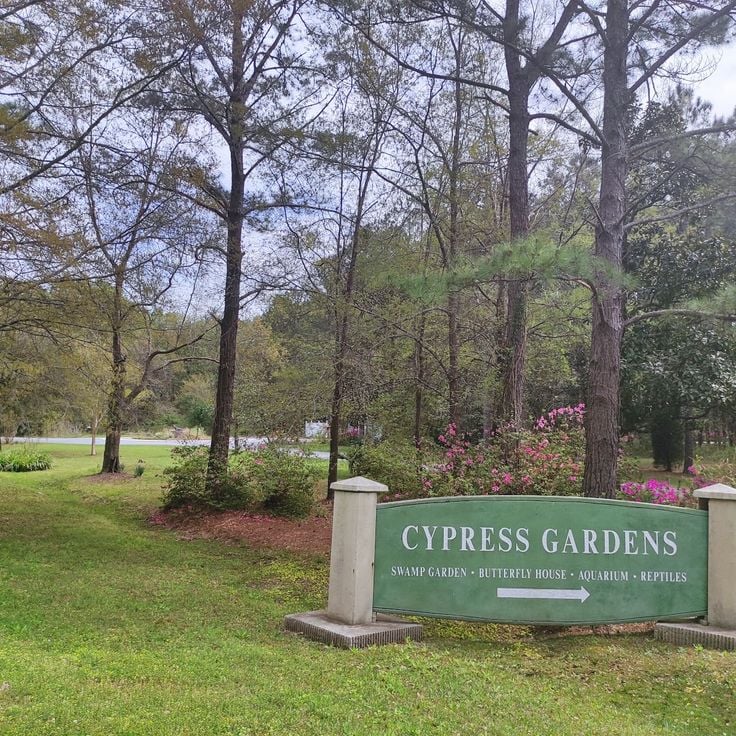
This garden dates back to 1930 and spreads across swampy woodlands and ponds covered with water lilies. The old cypresses form shady lanes, and the trails lead through wetlands where birds and turtles live. Visitors can walk or take boats through the canals, where the water stands still between the tree trunks.
These paths on Hilton Head Island connect beaches, residential areas, and shopping centers through a network of 100 kilometers (60 miles) of paved bike trails. The routes pass through shaded forest sections, along lagoons, and across flat terrain suitable for families and leisurely rides. Signs point the way to different destinations, including parks, restaurants, and recreation facilities. Some sections run parallel to the coast and offer views of the water. The trails serve as a practical means of transport for residents and visitors who prefer to move around without a car.
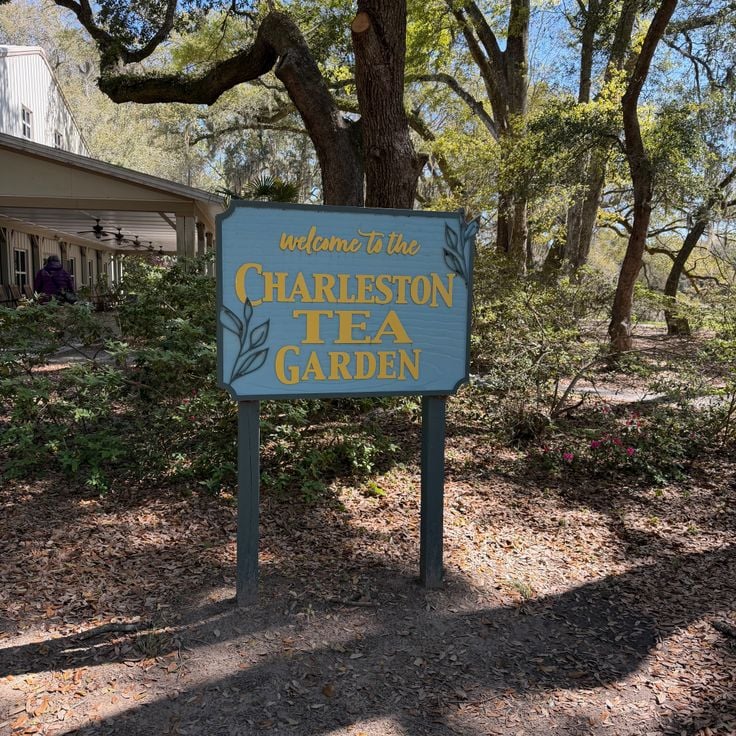
This tea plantation on Wadmalaw Island was founded in 1987 and produces black, green, and white teas. Visitors can walk through the fields to see the tea plants and learn how the leaves are processed after harvest. Guided tours explain the steps from growing to packaging. The plantation sits in a rural area with flat fields and a mild climate that supports tea cultivation. A small shop sells different types of tea grown on site. The place combines agriculture with local craft and shows an uncommon side of the region.
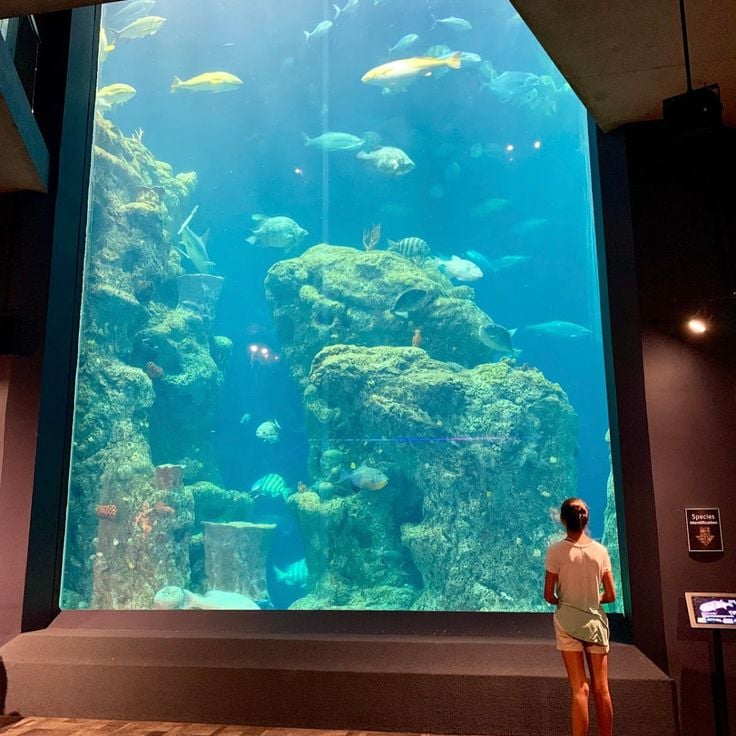
This aquarium displays marine life, reptiles, and birds that live along the South Carolina coast. Visitors see sea turtles, sharks, and fish in tanks that recreate their natural habitats. The center covers a large area and houses thousands of animals from different coastal ecosystems. Interactive exhibits explain ocean life and the importance of protecting coastal environments. This attraction is part of Charleston's modern offerings and complements the area's historical sites.
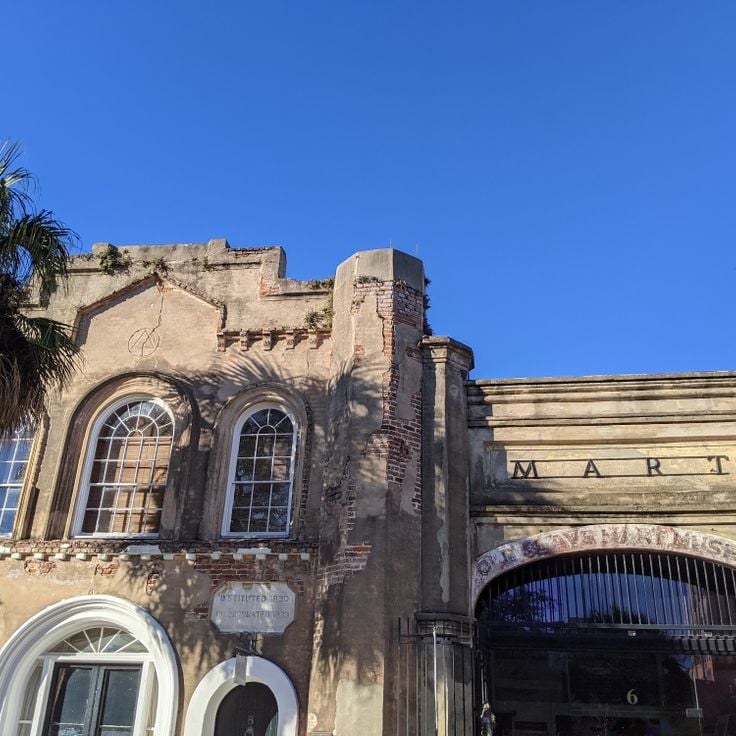
This museum sits in a former slave market from 1859. The exhibits document the slave trade in Charleston through artifacts from that period, personal narratives, and historical records. The building originally served as an auction house where enslaved people were sold. Today it preserves the memory of that history and shows the lives of those affected as well as the economic and social structures of the trade.
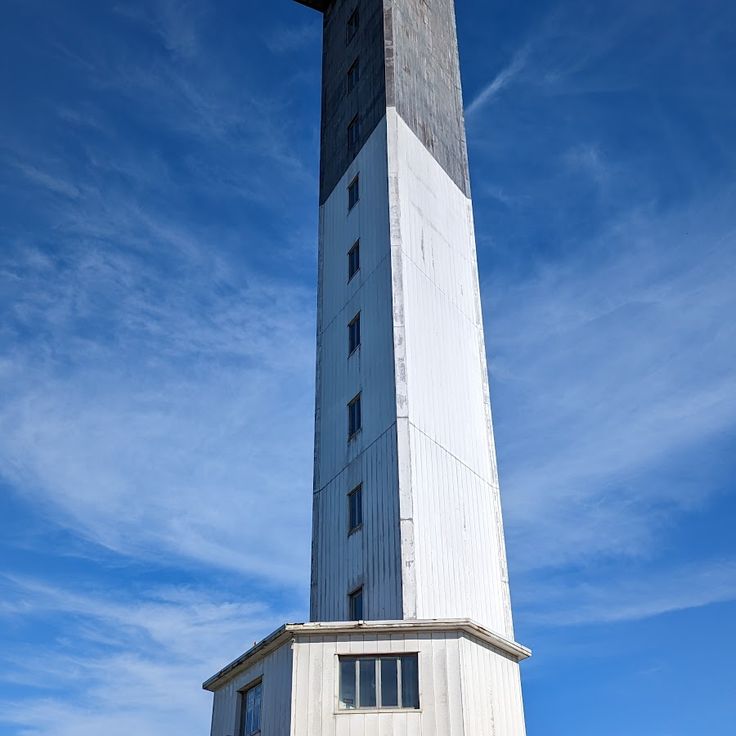
This aluminum lighthouse has stood on Sullivan's Island since 1962, guiding ships into Charleston Harbor. The triangular structure rises 40 meters (about 130 feet) high. Its light reaches approximately 27 kilometers (17 miles) across the water. The shape differs from traditional round lighthouses and makes the structure a recognizable point along the coast. The tower sits on a sandy island at the entrance to the bay, marking the safe route for maritime traffic.
This residence built in 1803 follows the principles of Federal architecture and displays furnishings and interior details from around 1800. The Joseph Manigault House stands among Charleston's historic homes that offer insight into the lives of wealthy families during the early republic. Rooms contain wallpapers, woodwork, and household objects from the construction period. Tours lead through reception areas, dining spaces, and private quarters that illustrate daily routines and social customs of the era.
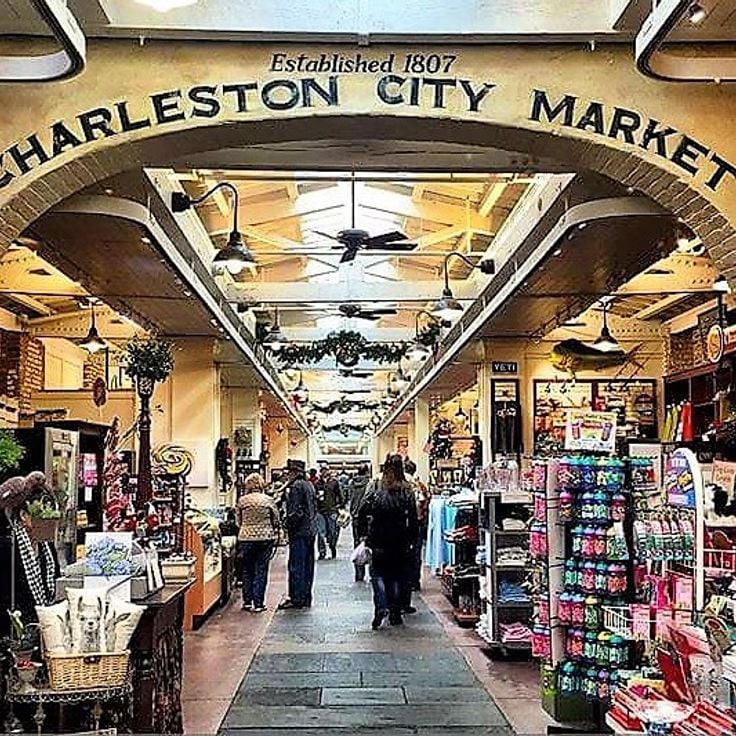
This market dates back to 1841 and occupies a red-brick building in the center of Charleston. Local artisans sell traditional sweetgrass baskets, handmade jewelry, and regional specialties here. The long halls are busy throughout the day and give visitors a chance to speak directly with the vendors and learn about the region's craftsmanship.
This waterfront park displays cannons from earlier centuries, paved paths, and old oak trees that stood there before 1865, surrounded by historic homes from the same period that reflect Charleston's colonial heritage and its role in the Civil War.
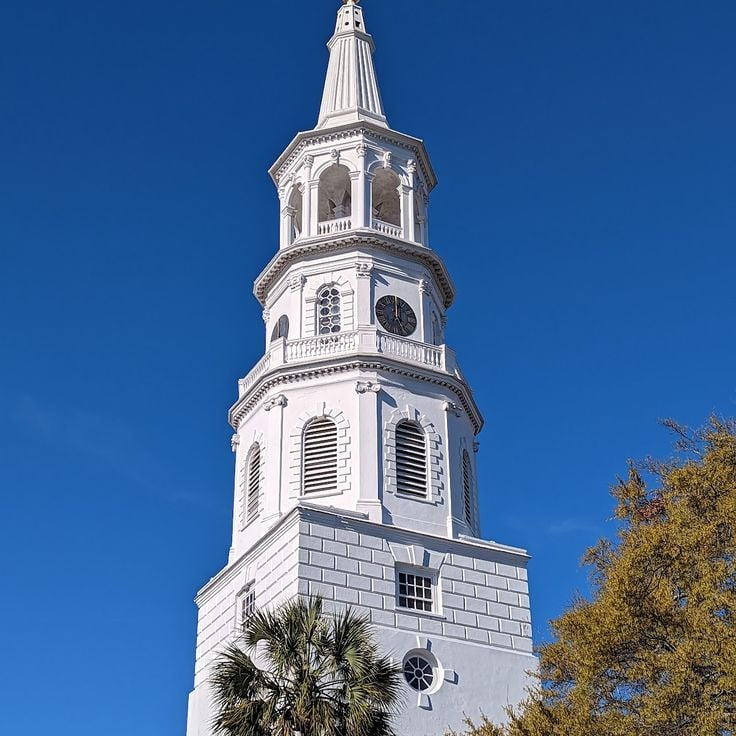
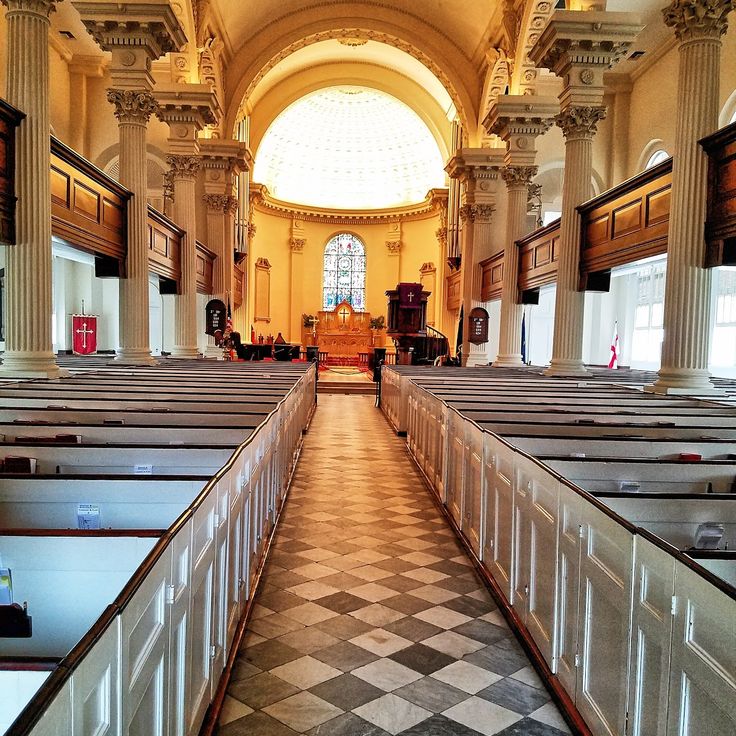
This church was built in 1761 and has a steeple that rises 56 meters (184 feet) into the air. The cemetery holds graves of notable figures from the colonial era. White columns frame the entrance, and the interior shows woodwork from the 18th century. The bells have rung for over 250 years and were removed at times during wars to protect them. Sunday services take place, and visitors can see the pews, pulpit, and organ. The building follows the Georgian style that was common in the British colonies at the time.
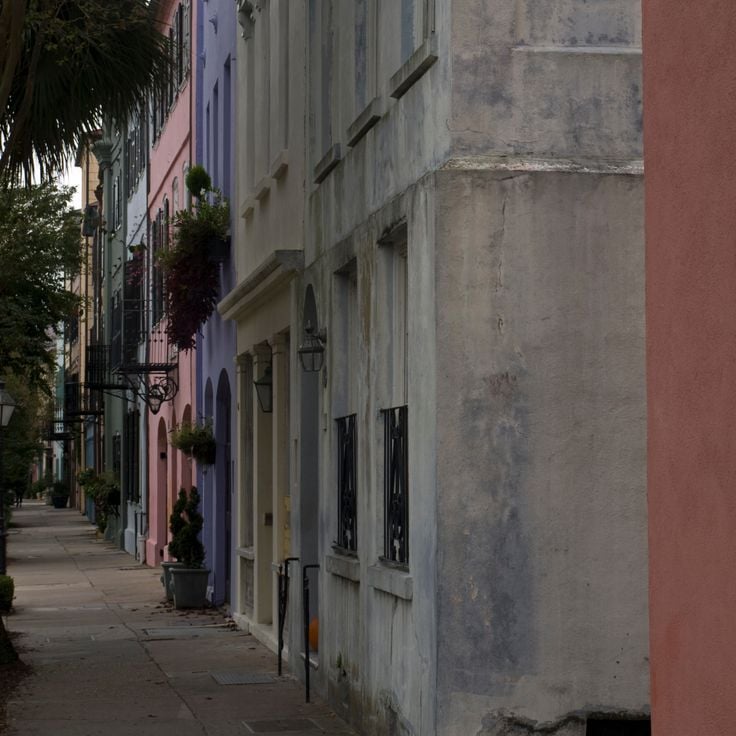
This row of colorful buildings along the historic waterfront shows fourteen Georgian townhouses from the 18th century, each painted in different pastel shades. After the Civil War the houses fell into disrepair and were restored in the 1930s when one owner decided to paint her home pink, prompting neighbors to follow with other hues. The facades along East Bay Street now form one of the most photographed scenes in Charleston and represent the city's colonial architecture with brick walls, shutters, and wrought iron railings.
This church in Charleston was founded in 1681 and rebuilt in 1835 after a fire. The cemetery holds the graves of several figures from American history, including politicians, military officers, and early settlers. The building shows typical features of mid-19th century architecture with a tall steeple visible from different parts of the city. The congregation still holds regular services. The grounds sit near other colonial sites in Charleston and belong to one of the oldest religious communities in South Carolina.
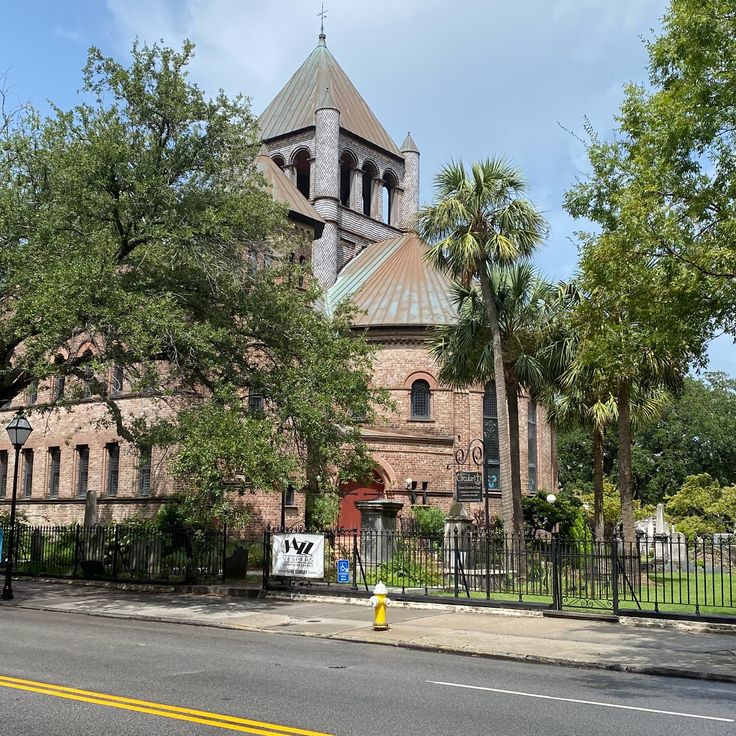
This church was built in 1892 and replaces earlier buildings that stood on the same site. The meetinghouse displays Greek columns and a round floor plan. A cemetery from the 18th century surrounds the building and preserves graves of early settlers and congregation members. The site documents Charleston's religious history since colonial times.
This 18th-century plantation sits on the Ashley River and ranks among Charleston's major sites for plantation and colonial history. The grounds show flower gardens, oak-lined paths, and ponds where alligators live. The buildings date from before the Civil War. Visitors also see the former homes of enslaved people who lived and worked here. The gardens stretch across many acres and are divided into different sections. Old trees shade the paths. The estate is often visited by families and groups interested in history and nature. The plantation remained in the same family for generations.
This shopping and entertainment complex is arranged around a large artificial lake. Visitors find stores, restaurants, and a movie theater. A roller coaster and other rides belong to a small amusement park. An aquarium displays marine life. Wide walkways connect the different sections. Lights glow over the water in the evening. Families and groups often spend several hours here.
This museum occupies a former naval base and displays several military ships including the USS Yorktown aircraft carrier. Visitors can walk the decks and cabins, view the World War II aircraft collection, and learn about American naval history. The exhibits include original equipment, weapons, and personal items from the crews. From the deck of the Yorktown, visitors see the harbor and the mouth of the Cooper River.
This plantation from the 18th century shows the region's roots before the Civil War. The main house dates from 1741 and blends Georgian elements with adaptations to the subtropical climate. The property includes 26 hectares (about 64 acres) of gardens in the French style, with terraced lawns, water basins, and tree-lined walks. Paths follow ponds that were built in the 18th century for irrigation. Restored outbuildings show workshops and stables from the time when rice was grown here. The grounds sit on the Ashley River and belong to the places that give insights into plantation culture and its history.
This colonial estate from 1681 features a tree-lined oak avenue leading to the main house and nine preserved brick slave cabins built between 1790 and 1810. Boone Hall Plantation represents a key site for understanding colonial history and the history of slavery in South Carolina, with structures that document different periods of plantation life and labor.
This brick fortification stands on an artificial island and marks the spot where the Civil War began in 1861. Fort Sumter includes a museum that presents the military history of the conflict, as well as preserved walls, cannons, and defensive structures that visitors can explore.
This public park stretches along the Cooper River for 12 hectares, connecting Charleston's historic downtown to the waterfront. Paved paths run through shaded sections with benches where visitors watch river traffic and passing boats. The park was built in the 1990s and includes fountains, lawns, and overlooks of the harbor. Families come here to picnic, joggers use the paths in the morning, and in the evening people gather on benches facing the Ravenel Bridge. The space links several of Charleston's historic landmarks and serves as a place to rest between walking tours of the city.
This garden holds more than 2000 American sculptures arranged among plant collections and natural areas. Brookgreen Gardens was established in 1931 and includes a wildlife preserve for native species. Visitors walk along paths through designed spaces where art appears beside trees, shrubs, and flowering plants. The grounds span several thousand acres and show how sculpture can share space with botanical displays. Brookgreen Gardens forms part of the cultural heritage of South Carolina, bringing together art, horticulture, and local wildlife in one place.
Falls Park on the Reedy is a public garden along the Reedy River with 30 acres of trails, lawns, and a pedestrian bridge that crosses the waterfall. The park sits in the middle of downtown Greenville and provides a short walk along the river, where water rushes over wide rock ledges and forms a natural basin below. The suspension bridge runs above the rapids and gives views of the water beneath your feet. Along the paths you find benches, open grass, and shaded spots under old trees. Families come to picnic, joggers use the trails, and in the evening people sit on the steps by the river. The park connects nature with a city center just a few blocks away, making it a place for a quick break or a longer stay by the water.
This public beach stretches 20 kilometers along Hilton Head Island. Showers, restrooms, and picnic tables stand near the main access points. Ramps and wide paths allow wheelchair users to reach the sand. Families gather at shaded tables beneath pavilions. Trails wind through dunes covered in sea oats and low shrubs. In the morning, joggers run on the firm sand. Afternoons bring children who build castles and wade near the shore. The sand is pale and fine, the water usually calm. Lifeguard towers appear at regular intervals.
This bridge connects Charleston to Mount Pleasant across the Cooper River. It is 4 kilometers long and carries several lanes of traffic. Alongside the roadway, there are separate paths for bicycles and pedestrians, offering views over the harbor and the city. The structure rests on two tall towers that support the deck with steel cables. Many locals use the bridge for jogging or cycling, especially in the morning and evening. It serves as an important part of the regional infrastructure, linking residential areas with the downtown.
This residence built in 1808 stands among the most important historic buildings in Charleston and displays the neoclassical architecture of the early American republic. The interior preserves a freestanding spiral staircase that winds through three floors, along with furniture and art from the period. The garden behind the house follows early 19th-century design principles and offers a quiet retreat in the city center. Visitors can explore the Nathaniel Russell House through guided tours that examine the life of the wealthy Russell family and the history of the enslaved people who worked here.
This residence was built in 1738 and retains its original structure with carved woodwork, ornamented ceilings, and a wide mahogany staircase at the center of the building. Drayton Hall stands as evidence of colonial architecture in South Carolina and shows how wealthy families lived before the Revolution. The rooms remain unheated and unfurnished, allowing visitors to observe architectural details without distraction. The house survived wars and natural disasters without major alterations.
This coastal park protects a landscape of white sand beach, maritime forest, and trails. An old lighthouse from the 19th century still stands on the shore and can be climbed. The grounds show the typical vegetation of the Atlantic coast with palms, oaks, and salt-resistant plants. Visitors come here to hike, swim, and watch birds.
This Ferris wheel stands directly on the Myrtle Beach boardwalk and rises 187 feet (57 meters) above the coastline. Climate-controlled cabins circle through the ride offering views of the Atlantic, the sandy shore, and the surrounding city. SkyWheel Myrtle Beach complements South Carolina's historical sites with a modern attraction that lets visitors see the coastal landscape from above.
This zoo houses animals from different continents in naturalistic enclosures. Paths lead through areas with African elephants, gorillas, and giraffes. A garden displays native and tropical plants. In summer, a water playground opens for children. The grounds sit along the Saluda River and feature ziplines, picnic areas, and covered pavilions. Visitors can observe species from South America, Asia, and Australia. A butterfly house and a reptile section complete the offering.
This tree is one of the oldest living things in South Carolina and marks a piece of Charleston's natural history. Angel Oak was already here before European settlers arrived, and it has grown over the centuries to its current size. The branches spread out horizontally and sometimes touch the ground, so visitors can walk beneath a green canopy of leaves and wood. The bark is rough and marked with deep grooves. The trunk is wide enough that several people would need to join hands to encircle it. There is a small park around the tree with paths that lead visitors along its perimeter. People come here to look at the age and shape of the tree, take photographs, or simply rest in the shade.
This 18th-century cotton plantation keeps its original buildings and presents exhibits on the plantation system and the lives of enslaved people. The site offers insight into cotton production history and the social structures of that era. Visitors can walk through the preserved rooms and learn about the people who lived and worked here. McLeod Plantation is among Charleston's heritage sites that document colonial history and slavery.
This beach stretches for 10 kilometers (6 miles) along the Atlantic coast and offers wide expanses of sand popular with surfers and swimmers. Folly Beach County Park features supervised swimming areas where lifeguards watch over visitors during the summer season. Shaded pavilions and picnic tables provide places to rest between trips to the water. A 300-meter (1,000-foot) fishing pier extends into the ocean and draws anglers seeking flounder, mackerel, and other coastal fish. The park sits at the western end of the island where waves often roll in higher than at more sheltered sections. Showers, changing facilities, and a concession stand make visits more comfortable for families spending the day by the sea.
This coastal park covers around 1,000 hectares (about 2,500 acres) and includes a 3-mile sandy beach, trails through maritime forests and marshlands, and an environmental education center. The site lies south of Myrtle Beach and protects dunes, salt flats, and nesting grounds for shorebirds. Visitors can follow walking paths, watch for alligators and wading birds, or explore Atalaya, a historic home built as a winter retreat in the 1930s. The beach is used for swimming, fishing, and walking along the water's edge.
This residence was built in 1820 and keeps its original structure with the kitchen, quarters for servants, and stables still in place. Walls and furnishings remain in their historic condition, showing how a plantation family lived in Charleston during the 19th century. Visitors see the rooms without later restoration, offering a direct look at life before and after the Civil War, including the conditions of enslaved people.
This garden dates back to 1930 and spreads across swampy woodlands and ponds covered with water lilies. The old cypresses form shady lanes, and the trails lead through wetlands where birds and turtles live. Visitors can walk or take boats through the canals, where the water stands still between the tree trunks.
These paths on Hilton Head Island connect beaches, residential areas, and shopping centers through a network of 100 kilometers (60 miles) of paved bike trails. The routes pass through shaded forest sections, along lagoons, and across flat terrain suitable for families and leisurely rides. Signs point the way to different destinations, including parks, restaurants, and recreation facilities. Some sections run parallel to the coast and offer views of the water. The trails serve as a practical means of transport for residents and visitors who prefer to move around without a car.
This tea plantation on Wadmalaw Island was founded in 1987 and produces black, green, and white teas. Visitors can walk through the fields to see the tea plants and learn how the leaves are processed after harvest. Guided tours explain the steps from growing to packaging. The plantation sits in a rural area with flat fields and a mild climate that supports tea cultivation. A small shop sells different types of tea grown on site. The place combines agriculture with local craft and shows an uncommon side of the region.
This aquarium displays marine life, reptiles, and birds that live along the South Carolina coast. Visitors see sea turtles, sharks, and fish in tanks that recreate their natural habitats. The center covers a large area and houses thousands of animals from different coastal ecosystems. Interactive exhibits explain ocean life and the importance of protecting coastal environments. This attraction is part of Charleston's modern offerings and complements the area's historical sites.
This museum sits in a former slave market from 1859. The exhibits document the slave trade in Charleston through artifacts from that period, personal narratives, and historical records. The building originally served as an auction house where enslaved people were sold. Today it preserves the memory of that history and shows the lives of those affected as well as the economic and social structures of the trade.
This aluminum lighthouse has stood on Sullivan's Island since 1962, guiding ships into Charleston Harbor. The triangular structure rises 40 meters (about 130 feet) high. Its light reaches approximately 27 kilometers (17 miles) across the water. The shape differs from traditional round lighthouses and makes the structure a recognizable point along the coast. The tower sits on a sandy island at the entrance to the bay, marking the safe route for maritime traffic.
This residence built in 1803 follows the principles of Federal architecture and displays furnishings and interior details from around 1800. The Joseph Manigault House stands among Charleston's historic homes that offer insight into the lives of wealthy families during the early republic. Rooms contain wallpapers, woodwork, and household objects from the construction period. Tours lead through reception areas, dining spaces, and private quarters that illustrate daily routines and social customs of the era.
This market dates back to 1841 and occupies a red-brick building in the center of Charleston. Local artisans sell traditional sweetgrass baskets, handmade jewelry, and regional specialties here. The long halls are busy throughout the day and give visitors a chance to speak directly with the vendors and learn about the region's craftsmanship.
This waterfront park displays cannons from earlier centuries, paved paths, and old oak trees that stood there before 1865, surrounded by historic homes from the same period that reflect Charleston's colonial heritage and its role in the Civil War.
This church was built in 1761 and has a steeple that rises 56 meters (184 feet) into the air. The cemetery holds graves of notable figures from the colonial era. White columns frame the entrance, and the interior shows woodwork from the 18th century. The bells have rung for over 250 years and were removed at times during wars to protect them. Sunday services take place, and visitors can see the pews, pulpit, and organ. The building follows the Georgian style that was common in the British colonies at the time.
This row of colorful buildings along the historic waterfront shows fourteen Georgian townhouses from the 18th century, each painted in different pastel shades. After the Civil War the houses fell into disrepair and were restored in the 1930s when one owner decided to paint her home pink, prompting neighbors to follow with other hues. The facades along East Bay Street now form one of the most photographed scenes in Charleston and represent the city's colonial architecture with brick walls, shutters, and wrought iron railings.
This church in Charleston was founded in 1681 and rebuilt in 1835 after a fire. The cemetery holds the graves of several figures from American history, including politicians, military officers, and early settlers. The building shows typical features of mid-19th century architecture with a tall steeple visible from different parts of the city. The congregation still holds regular services. The grounds sit near other colonial sites in Charleston and belong to one of the oldest religious communities in South Carolina.
This church was built in 1892 and replaces earlier buildings that stood on the same site. The meetinghouse displays Greek columns and a round floor plan. A cemetery from the 18th century surrounds the building and preserves graves of early settlers and congregation members. The site documents Charleston's religious history since colonial times.
This 18th-century plantation sits on the Ashley River and ranks among Charleston's major sites for plantation and colonial history. The grounds show flower gardens, oak-lined paths, and ponds where alligators live. The buildings date from before the Civil War. Visitors also see the former homes of enslaved people who lived and worked here. The gardens stretch across many acres and are divided into different sections. Old trees shade the paths. The estate is often visited by families and groups interested in history and nature. The plantation remained in the same family for generations.
This shopping and entertainment complex is arranged around a large artificial lake. Visitors find stores, restaurants, and a movie theater. A roller coaster and other rides belong to a small amusement park. An aquarium displays marine life. Wide walkways connect the different sections. Lights glow over the water in the evening. Families and groups often spend several hours here.
This museum occupies a former naval base and displays several military ships including the USS Yorktown aircraft carrier. Visitors can walk the decks and cabins, view the World War II aircraft collection, and learn about American naval history. The exhibits include original equipment, weapons, and personal items from the crews. From the deck of the Yorktown, visitors see the harbor and the mouth of the Cooper River.
This plantation from the 18th century shows the region's roots before the Civil War. The main house dates from 1741 and blends Georgian elements with adaptations to the subtropical climate. The property includes 26 hectares (about 64 acres) of gardens in the French style, with terraced lawns, water basins, and tree-lined walks. Paths follow ponds that were built in the 18th century for irrigation. Restored outbuildings show workshops and stables from the time when rice was grown here. The grounds sit on the Ashley River and belong to the places that give insights into plantation culture and its history.
This colonial estate from 1681 features a tree-lined oak avenue leading to the main house and nine preserved brick slave cabins built between 1790 and 1810. Boone Hall Plantation represents a key site for understanding colonial history and the history of slavery in South Carolina, with structures that document different periods of plantation life and labor.
This brick fortification stands on an artificial island and marks the spot where the Civil War began in 1861. Fort Sumter includes a museum that presents the military history of the conflict, as well as preserved walls, cannons, and defensive structures that visitors can explore.
This public park stretches along the Cooper River for 12 hectares, connecting Charleston's historic downtown to the waterfront. Paved paths run through shaded sections with benches where visitors watch river traffic and passing boats. The park was built in the 1990s and includes fountains, lawns, and overlooks of the harbor. Families come here to picnic, joggers use the paths in the morning, and in the evening people gather on benches facing the Ravenel Bridge. The space links several of Charleston's historic landmarks and serves as a place to rest between walking tours of the city.
This garden holds more than 2000 American sculptures arranged among plant collections and natural areas. Brookgreen Gardens was established in 1931 and includes a wildlife preserve for native species. Visitors walk along paths through designed spaces where art appears beside trees, shrubs, and flowering plants. The grounds span several thousand acres and show how sculpture can share space with botanical displays. Brookgreen Gardens forms part of the cultural heritage of South Carolina, bringing together art, horticulture, and local wildlife in one place.
Falls Park on the Reedy is a public garden along the Reedy River with 30 acres of trails, lawns, and a pedestrian bridge that crosses the waterfall. The park sits in the middle of downtown Greenville and provides a short walk along the river, where water rushes over wide rock ledges and forms a natural basin below. The suspension bridge runs above the rapids and gives views of the water beneath your feet. Along the paths you find benches, open grass, and shaded spots under old trees. Families come to picnic, joggers use the trails, and in the evening people sit on the steps by the river. The park connects nature with a city center just a few blocks away, making it a place for a quick break or a longer stay by the water.
This public beach stretches 20 kilometers along Hilton Head Island. Showers, restrooms, and picnic tables stand near the main access points. Ramps and wide paths allow wheelchair users to reach the sand. Families gather at shaded tables beneath pavilions. Trails wind through dunes covered in sea oats and low shrubs. In the morning, joggers run on the firm sand. Afternoons bring children who build castles and wade near the shore. The sand is pale and fine, the water usually calm. Lifeguard towers appear at regular intervals.
This bridge connects Charleston to Mount Pleasant across the Cooper River. It is 4 kilometers long and carries several lanes of traffic. Alongside the roadway, there are separate paths for bicycles and pedestrians, offering views over the harbor and the city. The structure rests on two tall towers that support the deck with steel cables. Many locals use the bridge for jogging or cycling, especially in the morning and evening. It serves as an important part of the regional infrastructure, linking residential areas with the downtown.
This residence built in 1808 stands among the most important historic buildings in Charleston and displays the neoclassical architecture of the early American republic. The interior preserves a freestanding spiral staircase that winds through three floors, along with furniture and art from the period. The garden behind the house follows early 19th-century design principles and offers a quiet retreat in the city center. Visitors can explore the Nathaniel Russell House through guided tours that examine the life of the wealthy Russell family and the history of the enslaved people who worked here.
This residence was built in 1738 and retains its original structure with carved woodwork, ornamented ceilings, and a wide mahogany staircase at the center of the building. Drayton Hall stands as evidence of colonial architecture in South Carolina and shows how wealthy families lived before the Revolution. The rooms remain unheated and unfurnished, allowing visitors to observe architectural details without distraction. The house survived wars and natural disasters without major alterations.
This coastal park protects a landscape of white sand beach, maritime forest, and trails. An old lighthouse from the 19th century still stands on the shore and can be climbed. The grounds show the typical vegetation of the Atlantic coast with palms, oaks, and salt-resistant plants. Visitors come here to hike, swim, and watch birds.
This Ferris wheel stands directly on the Myrtle Beach boardwalk and rises 187 feet (57 meters) above the coastline. Climate-controlled cabins circle through the ride offering views of the Atlantic, the sandy shore, and the surrounding city. SkyWheel Myrtle Beach complements South Carolina's historical sites with a modern attraction that lets visitors see the coastal landscape from above.
This zoo houses animals from different continents in naturalistic enclosures. Paths lead through areas with African elephants, gorillas, and giraffes. A garden displays native and tropical plants. In summer, a water playground opens for children. The grounds sit along the Saluda River and feature ziplines, picnic areas, and covered pavilions. Visitors can observe species from South America, Asia, and Australia. A butterfly house and a reptile section complete the offering.
This tree is one of the oldest living things in South Carolina and marks a piece of Charleston's natural history. Angel Oak was already here before European settlers arrived, and it has grown over the centuries to its current size. The branches spread out horizontally and sometimes touch the ground, so visitors can walk beneath a green canopy of leaves and wood. The bark is rough and marked with deep grooves. The trunk is wide enough that several people would need to join hands to encircle it. There is a small park around the tree with paths that lead visitors along its perimeter. People come here to look at the age and shape of the tree, take photographs, or simply rest in the shade.
This 18th-century cotton plantation keeps its original buildings and presents exhibits on the plantation system and the lives of enslaved people. The site offers insight into cotton production history and the social structures of that era. Visitors can walk through the preserved rooms and learn about the people who lived and worked here. McLeod Plantation is among Charleston's heritage sites that document colonial history and slavery.
This beach stretches for 10 kilometers (6 miles) along the Atlantic coast and offers wide expanses of sand popular with surfers and swimmers. Folly Beach County Park features supervised swimming areas where lifeguards watch over visitors during the summer season. Shaded pavilions and picnic tables provide places to rest between trips to the water. A 300-meter (1,000-foot) fishing pier extends into the ocean and draws anglers seeking flounder, mackerel, and other coastal fish. The park sits at the western end of the island where waves often roll in higher than at more sheltered sections. Showers, changing facilities, and a concession stand make visits more comfortable for families spending the day by the sea.
This coastal park covers around 1,000 hectares (about 2,500 acres) and includes a 3-mile sandy beach, trails through maritime forests and marshlands, and an environmental education center. The site lies south of Myrtle Beach and protects dunes, salt flats, and nesting grounds for shorebirds. Visitors can follow walking paths, watch for alligators and wading birds, or explore Atalaya, a historic home built as a winter retreat in the 1930s. The beach is used for swimming, fishing, and walking along the water's edge.
This residence was built in 1820 and keeps its original structure with the kitchen, quarters for servants, and stables still in place. Walls and furnishings remain in their historic condition, showing how a plantation family lived in Charleston during the 19th century. Visitors see the rooms without later restoration, offering a direct look at life before and after the Civil War, including the conditions of enslaved people.
This garden dates back to 1930 and spreads across swampy woodlands and ponds covered with water lilies. The old cypresses form shady lanes, and the trails lead through wetlands where birds and turtles live. Visitors can walk or take boats through the canals, where the water stands still between the tree trunks.
These paths on Hilton Head Island connect beaches, residential areas, and shopping centers through a network of 100 kilometers (60 miles) of paved bike trails. The routes pass through shaded forest sections, along lagoons, and across flat terrain suitable for families and leisurely rides. Signs point the way to different destinations, including parks, restaurants, and recreation facilities. Some sections run parallel to the coast and offer views of the water. The trails serve as a practical means of transport for residents and visitors who prefer to move around without a car.
This tea plantation on Wadmalaw Island was founded in 1987 and produces black, green, and white teas. Visitors can walk through the fields to see the tea plants and learn how the leaves are processed after harvest. Guided tours explain the steps from growing to packaging. The plantation sits in a rural area with flat fields and a mild climate that supports tea cultivation. A small shop sells different types of tea grown on site. The place combines agriculture with local craft and shows an uncommon side of the region.
This aquarium displays marine life, reptiles, and birds that live along the South Carolina coast. Visitors see sea turtles, sharks, and fish in tanks that recreate their natural habitats. The center covers a large area and houses thousands of animals from different coastal ecosystems. Interactive exhibits explain ocean life and the importance of protecting coastal environments. This attraction is part of Charleston's modern offerings and complements the area's historical sites.
This museum sits in a former slave market from 1859. The exhibits document the slave trade in Charleston through artifacts from that period, personal narratives, and historical records. The building originally served as an auction house where enslaved people were sold. Today it preserves the memory of that history and shows the lives of those affected as well as the economic and social structures of the trade.
This aluminum lighthouse has stood on Sullivan's Island since 1962, guiding ships into Charleston Harbor. The triangular structure rises 40 meters (about 130 feet) high. Its light reaches approximately 27 kilometers (17 miles) across the water. The shape differs from traditional round lighthouses and makes the structure a recognizable point along the coast. The tower sits on a sandy island at the entrance to the bay, marking the safe route for maritime traffic.
This residence built in 1803 follows the principles of Federal architecture and displays furnishings and interior details from around 1800. The Joseph Manigault House stands among Charleston's historic homes that offer insight into the lives of wealthy families during the early republic. Rooms contain wallpapers, woodwork, and household objects from the construction period. Tours lead through reception areas, dining spaces, and private quarters that illustrate daily routines and social customs of the era.
This market dates back to 1841 and occupies a red-brick building in the center of Charleston. Local artisans sell traditional sweetgrass baskets, handmade jewelry, and regional specialties here. The long halls are busy throughout the day and give visitors a chance to speak directly with the vendors and learn about the region's craftsmanship.
This waterfront park displays cannons from earlier centuries, paved paths, and old oak trees that stood there before 1865, surrounded by historic homes from the same period that reflect Charleston's colonial heritage and its role in the Civil War.
This church was built in 1761 and has a steeple that rises 56 meters (184 feet) into the air. The cemetery holds graves of notable figures from the colonial era. White columns frame the entrance, and the interior shows woodwork from the 18th century. The bells have rung for over 250 years and were removed at times during wars to protect them. Sunday services take place, and visitors can see the pews, pulpit, and organ. The building follows the Georgian style that was common in the British colonies at the time.
This row of colorful buildings along the historic waterfront shows fourteen Georgian townhouses from the 18th century, each painted in different pastel shades. After the Civil War the houses fell into disrepair and were restored in the 1930s when one owner decided to paint her home pink, prompting neighbors to follow with other hues. The facades along East Bay Street now form one of the most photographed scenes in Charleston and represent the city's colonial architecture with brick walls, shutters, and wrought iron railings.
This church in Charleston was founded in 1681 and rebuilt in 1835 after a fire. The cemetery holds the graves of several figures from American history, including politicians, military officers, and early settlers. The building shows typical features of mid-19th century architecture with a tall steeple visible from different parts of the city. The congregation still holds regular services. The grounds sit near other colonial sites in Charleston and belong to one of the oldest religious communities in South Carolina.
This church was built in 1892 and replaces earlier buildings that stood on the same site. The meetinghouse displays Greek columns and a round floor plan. A cemetery from the 18th century surrounds the building and preserves graves of early settlers and congregation members. The site documents Charleston's religious history since colonial times.