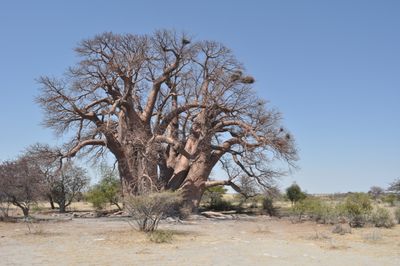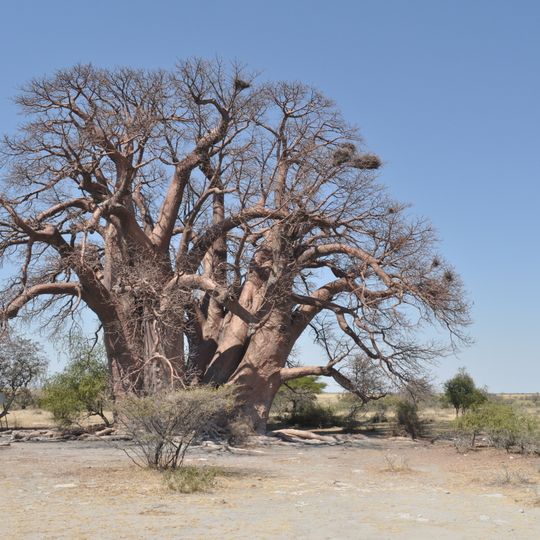
Chapman’s Baobab, Historic baobab tree in Central District, Botswana.
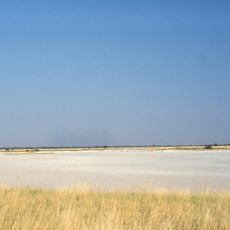
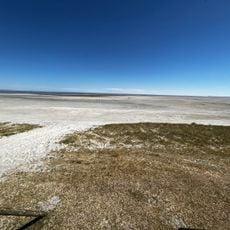
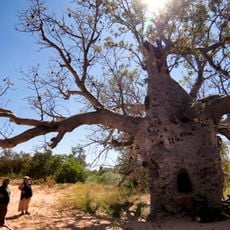
Chapman's Baobab was a massive tree with a trunk circumference of about 25 meters at its base, ranking among the world's largest baobabs before it collapsed in 2016. The tree stood near Ntwetwe Pan and served as a natural landmark visible across the flat salt landscape.
The baobab was named after explorer James Chapman, who documented it in 1861 while crossing the Makgadikgadi salt pans. For over a century, it served as shelter and a guide for many expeditions traveling through this remote region.
Local people considered this tree a sacred meeting place for ceremonies and sharing stories passed down through generations. It represented lasting strength and a connection to ancestral traditions in the community.
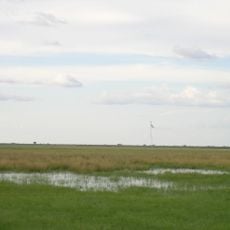
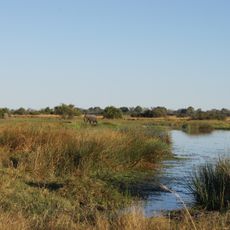
The location is flat and open, offering wide visibility but little shelter from weather conditions. Access was possible via local roads, though these could become difficult during rainy periods.
Explorers used the tree's hollow trunk as a natural mailbox, leaving messages inside for other expeditions to find and pass along. This made it a remarkable communication hub across the remote salt pans.
The community of curious travelers
AroundUs brings together thousands of curated places, local tips, and hidden gems, enriched daily by 91,582 contributors worldwide.