Mosi-oa-Tunya National Park, National park in Southern Province, Zambia
Mosi-oa-Tunya National Park is a protected area along the northern bank of the Zambezi River in Southern Province, Zambia, combining savanna landscape and riverine forest. Vegetation shifts between open grasslands dotted with acacia trees and denser green zones following the river banks.
The park is twinned with Victoria Falls National Park in Zimbabwe, sharing the falls on the Zambezi. In November 2005 a statue of explorer David Livingstone was erected in the park, and a plaque was unveiled on Livingstone Island marking the spot from which he was the first European to see the falls. The Knife-Edge Bridge was built in the 1960s to give foot access to cliffs overlooking the Rainbow Falls and the First Gorge's exit to the Boiling Pot.
The name Mosi-oa-Tunya comes from the Kololo or Lozi language and is now used throughout Zambia and in parts of Zimbabwe. A plaque on Livingstone Island marks the spot where David Livingstone became the first European to see the falls. The Old Drift Cemetery in the wildlife section holds the first European settlers, who blamed the yellow-and-green-barked fever trees for their illness rather than the malarial mosquito.
Walking trails lead through flat terrain along the river, where visitors can observe large animals from a safe distance. Paths are mostly unpaved, so sturdy footwear and sun protection are advisable.
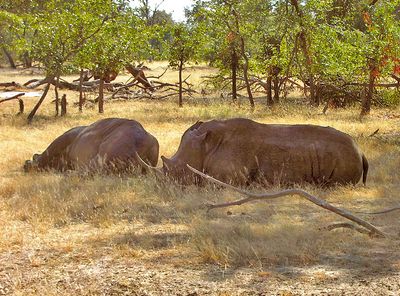
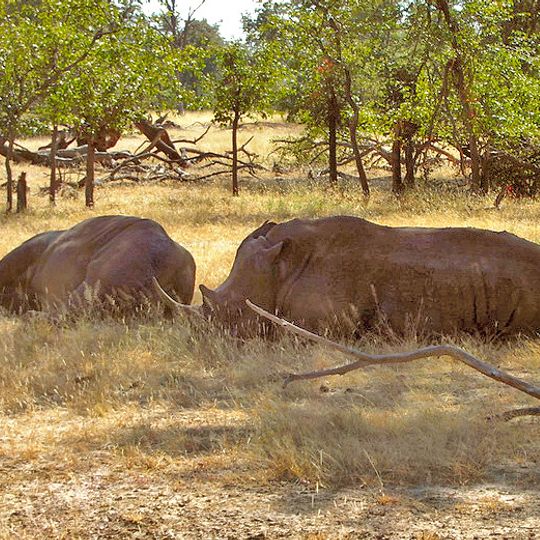
A fenced enclosure holds several white rhinos that visitors can see up close during guided walks accompanied by armed personnel. These animals were brought from South Africa to establish a new population in Zambia.
The community of curious travelers
AroundUs brings together thousands of curated places, local tips, and hidden gems, enriched daily by 93,112 contributors worldwide.