See the monuments around you in AROpen chests in the app
Around Us is built for your phone — point your camera at the streets and discover the monuments and places around you in augmented reality.Around Us is built for your phone — chests unlock when you walk, explore and capture nearby places.
Zambia showcases a remarkable collection of natural wonders and cultural destinations. Victoria Falls stands as the most famous attraction, drawing visitors from around the world. The Livingstone region blends natural features like Batoka Gorge, Livingstone Island, and Devil's Pool with museums and local markets that reveal the area's history and heritage.
National parks spread across the country protect diverse wildlife and landscapes. Lower Zambezi National Park, South Luangwa National Park, and Kafue National Park offer safari experiences and river settings. The north holds additional treasures including Kalambo Falls, Lake Tanganyika, and Twa Rock Paintings that date back several thousand years.
Beyond the main tourist centers, smaller places offer glimpses into daily life. Mukuni Village, Maramba Market, and the Maramba Cultural Center let visitors experience local customs. Lakes such as Lake Kariba and Lake Bangweulu, along with historical sites like Shiwa Ngandu and the Kingdom of Barotse, demonstrate the country's diversity.
Zambia showcases a remarkable collection of natural wonders and cultural destinations. Victoria Falls stands as the most famous attraction, drawing visitors from around the world. The Livingstone region blends natural features like Batoka Gorge, Livingstone Island, and Devil's Pool with museums and local markets that reveal the area's history and heritage.
National parks spread across the country protect diverse wildlife and landscapes. Lower Zambezi National Park, South Luangwa National Park, and Kafue National Park offer safari experiences and river settings. The north holds additional treasures including Kalambo Falls, Lake Tanganyika, and Twa Rock Paintings that date back several thousand years.
Beyond the main tourist centers, smaller places offer glimpses into daily life. Mukuni Village, Maramba Market, and the Maramba Cultural Center let visitors experience local customs. Lakes such as Lake Kariba and Lake Bangweulu, along with historical sites like Shiwa Ngandu and the Kingdom of Barotse, demonstrate the country's diversity.
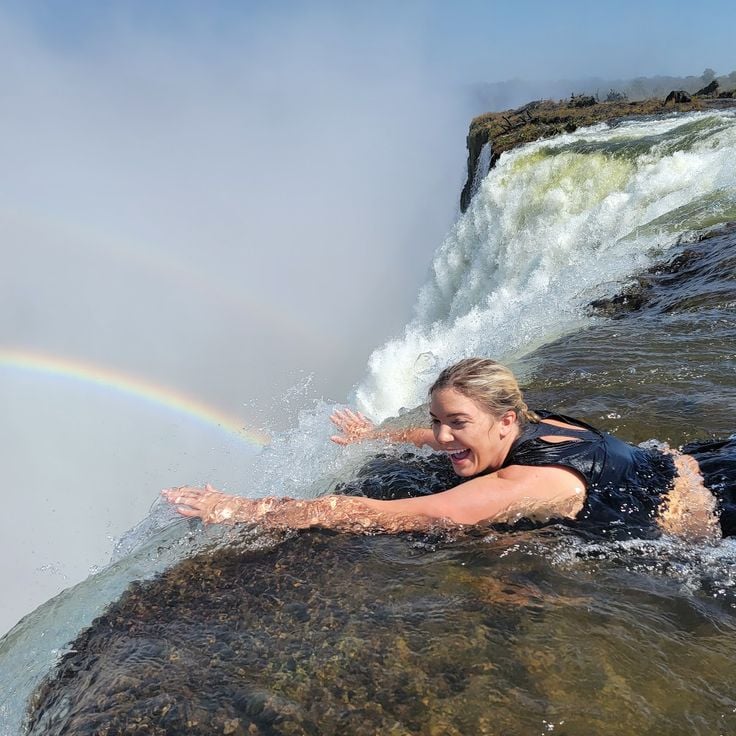
Devil's Pool is a rock basin at Victoria Falls, part of Zambia's principal natural landmarks in this region. Visitors can swim here from August to January when water levels drop and the basin becomes accessible. The natural water basin is formed by rock formations at the falls and offers an unusual opportunity to be in the water right beside the cascading water.
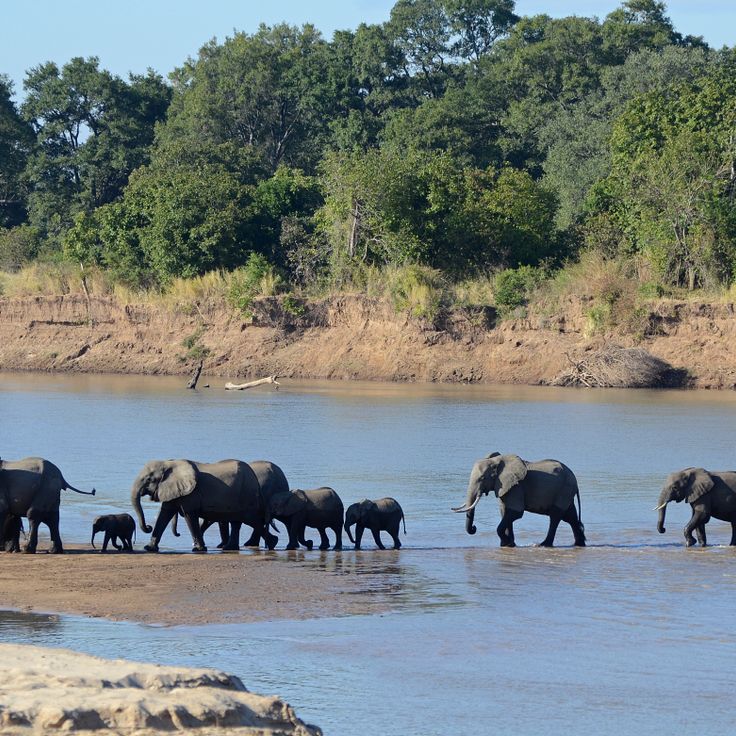
South Luangwa National Park is a protected area in eastern Zambia where visitors can watch leopards, hippopotamuses, and elephants along the Luangwa River. The park is known for walking safaris through woodlands and savannas, allowing you to experience wildlife up close. This park represents one of Zambia's principal natural attractions and showcases the country's diverse landscape.
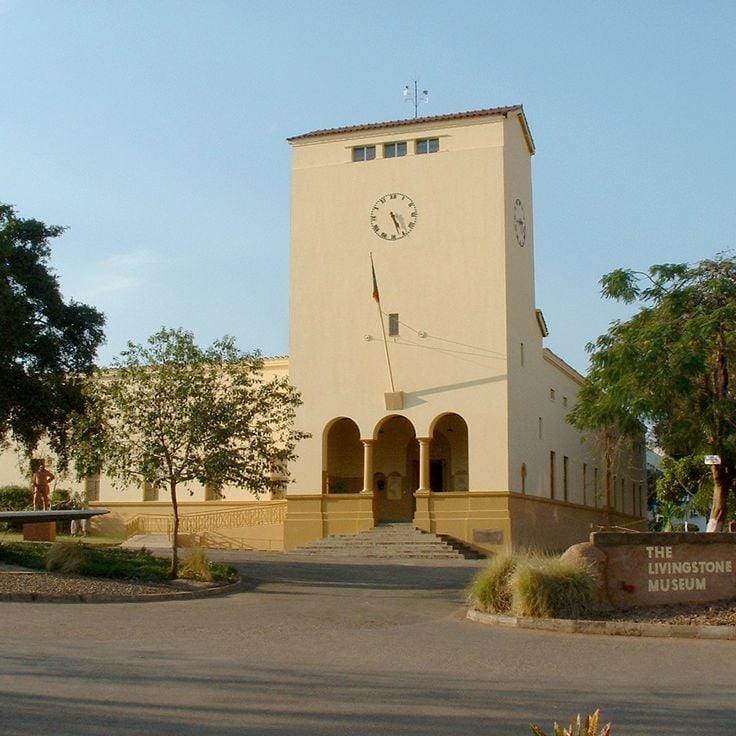
The Livingstone Museum in Livingstone houses significant archaeological discoveries and ethnographic objects from the region. The museum preserves personal belongings of explorer David Livingstone and displays exhibits about Zambian independence. As part of Zambia's principal natural and cultural attractions, it helps visitors understand the country's history and the role of European explorers in shaping it.
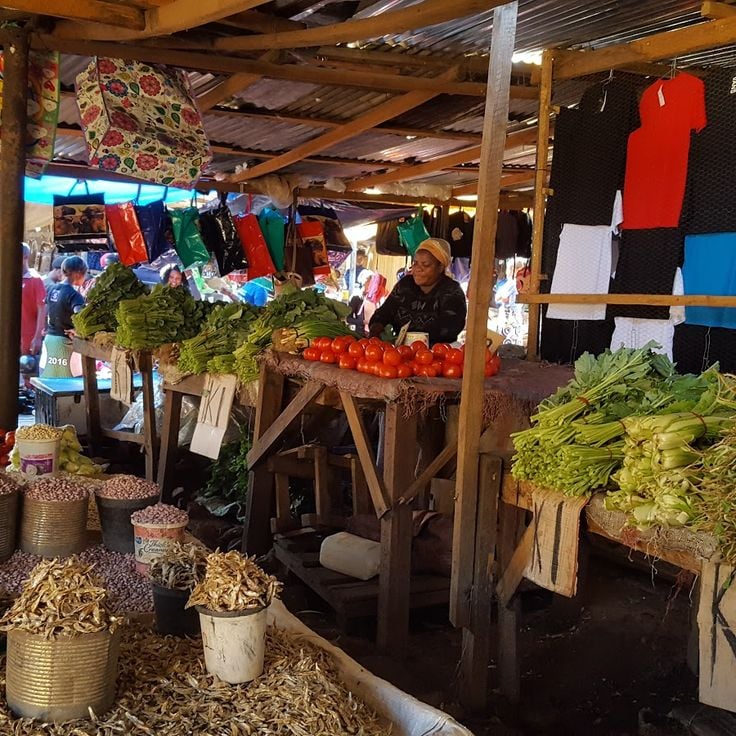
The Maramba Market is a working open-air market in this collection of Zambia's principal natural and cultural attractions. Located in Livingstone, it serves as a window into daily life where vendors sell fresh produce, textiles, crafts, and household items every day from sunrise to sunset.
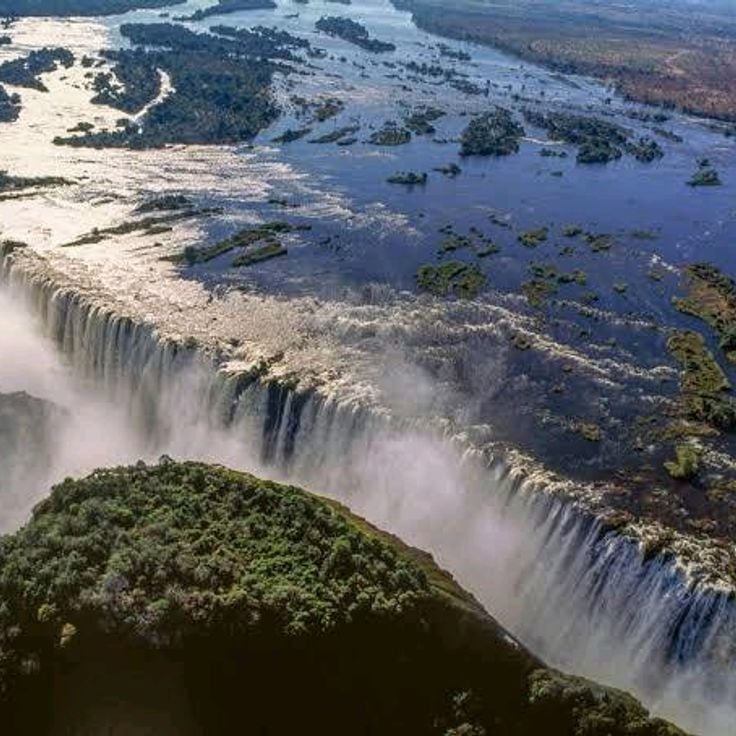
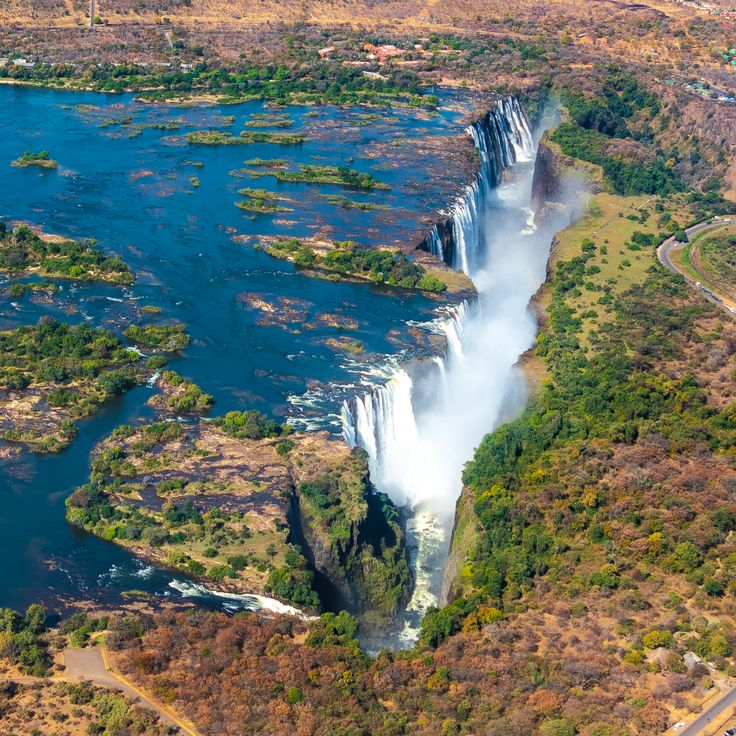
Victoria Falls is a waterfall on the Zambezi River located in the Livingstone area and forming the border between Zambia and Zimbabwe. As a major natural landmark in Zambia, it is central to the country's natural attractions. The water drops dramatically down with tremendous force, creating a thick mist visible from considerable distances. The falls attract visitors who come to witness this powerful natural formation.
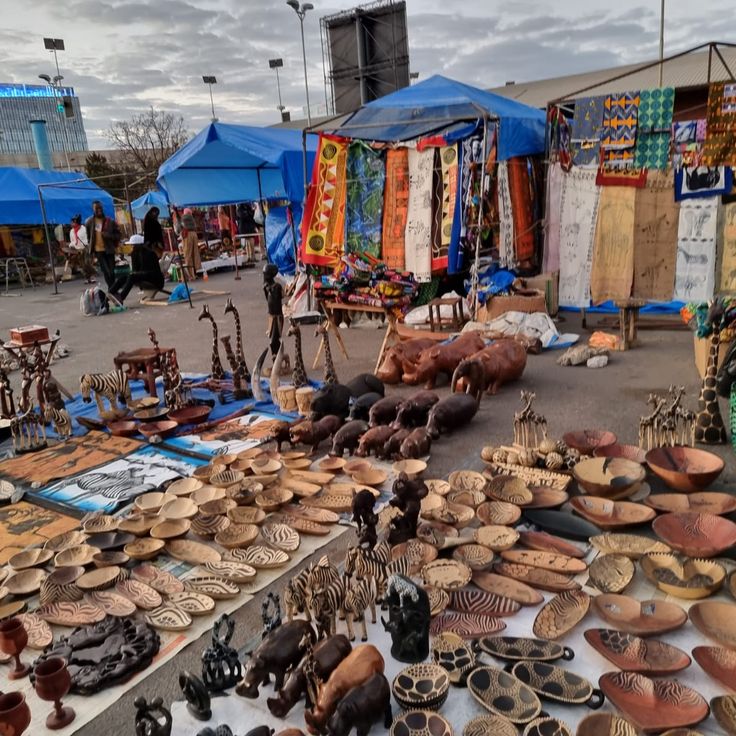
The Sunday Crafts Market in Livingstone is a weekly outdoor market where local artisans sell wood carvings, textiles, jewelry, and baskets made using traditional methods and materials. As a cultural site within Zambia's principal attractions, this market showcases the regional craftsmanship and offers visitors a direct connection to local artistic traditions and the daily life of the community.
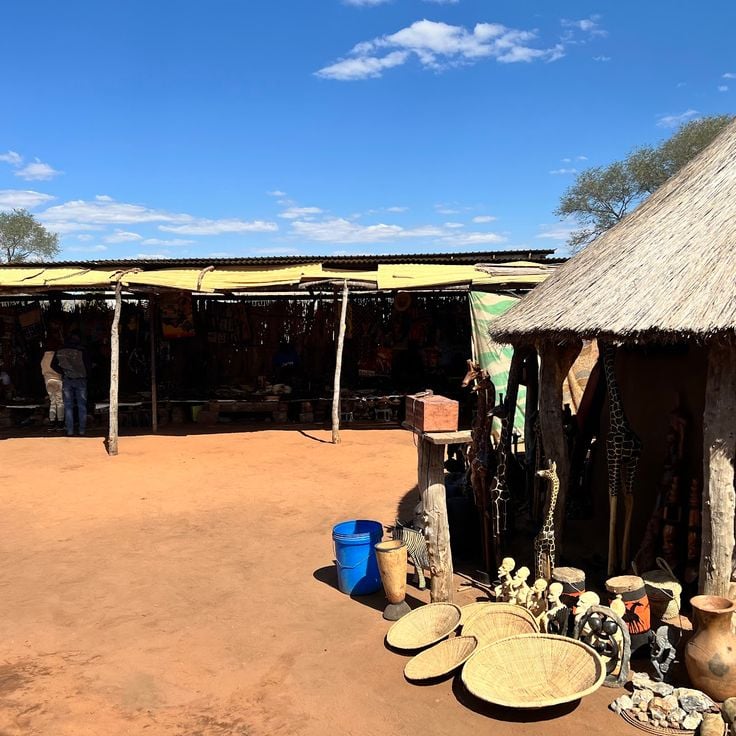
Mukuni Village is a residential settlement of the Leya people featured in this collection of Zambia's principal natural landmarks and cultural sites. Visitors can observe daily activities, witness traditional ceremonies, and learn about local governance systems. The village offers insight into how the Leya community lives and maintains its customs.
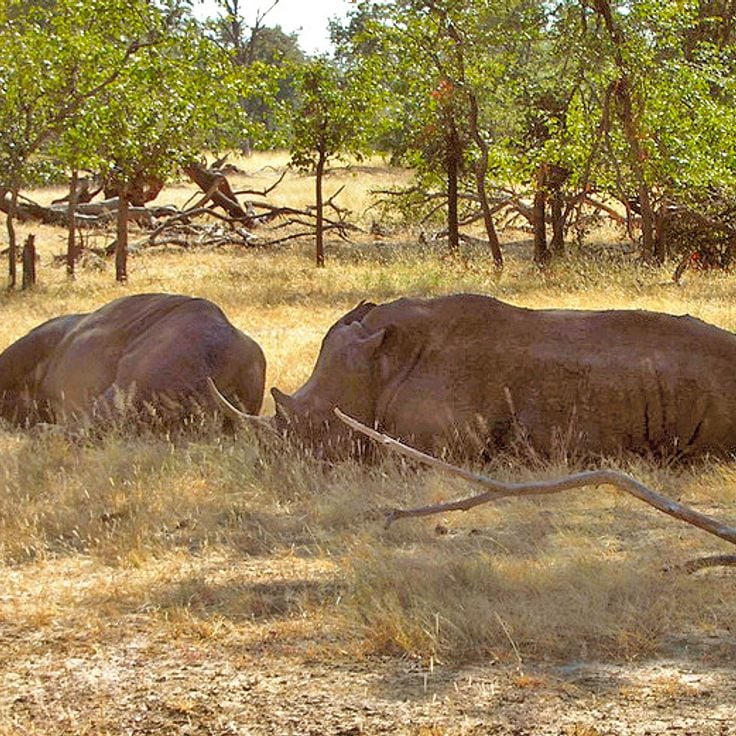
Mosi-oa-Tunya National Park is a protected area located near Victoria Falls that is home to white rhinos, zebras, giraffes, and antelopes. The park forms part of Zambia's principal natural landmarks and offers visitors opportunities to see African wildlife in their natural environment.
The Batoka Gorge is a canyon that stretches along the Zambezi River, reaching significant depths between steep rock walls. Located near Victoria Falls, this dramatic landscape offers world-class whitewater rafting and excellent opportunities for observing African fish eagles and other wildlife. The river flows forcefully through the gorge, creating challenging rapids and exhilarating experiences. The towering cliffs rise high above the water, making this a destination for adventure seekers and nature observers who want to witness the power of the river and the surrounding landscape.
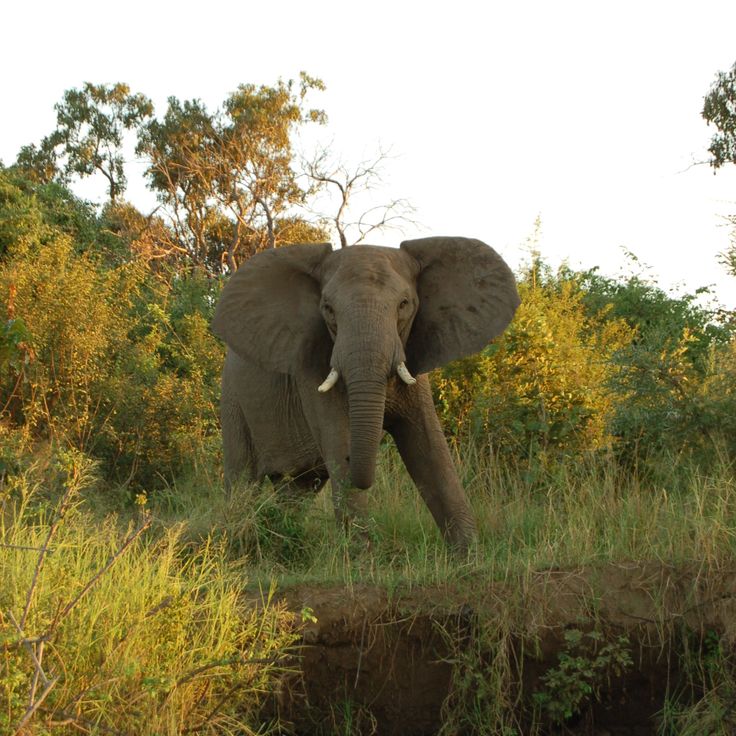
Lower Zambezi National Park is a protected area along the northern bank of the Zambezi River and represents one of Zambia's principal natural attractions featured in this collection. The park is home to elephants, leopards, lions, and buffalo living in their natural habitat. Visitors to this park can observe African wildlife in a less crowded setting and experience the landscape shaped by the river.
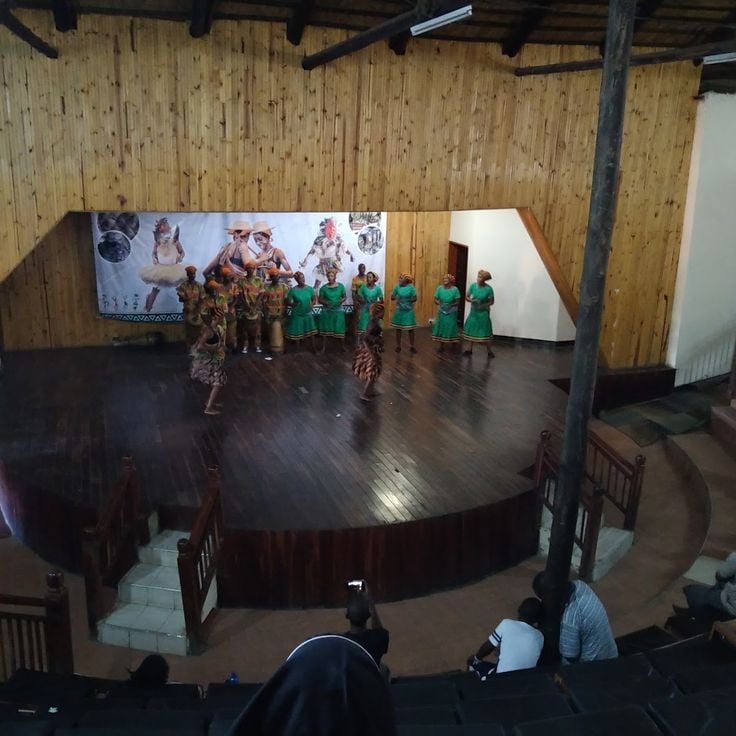
The Maramba Cultural Center in Livingstone is a performance venue where you can experience Zambian music, dance, and art. This center presents daily shows and workshops about local customs and traditions. As part of Zambia's principal cultural attractions, the center helps visitors understand the living artistic traditions of the region.
Kafue National Park is one of Zambia's principal natural landmarks and covers an extensive area of savannas, woodlands, and rivers. The park is home to lions, leopards, elephants, and around 500 bird species. As part of the country's major wildlife reserves, this park protects diverse habitats and draws visitors seeking to experience Zambia's natural landscapes firsthand.
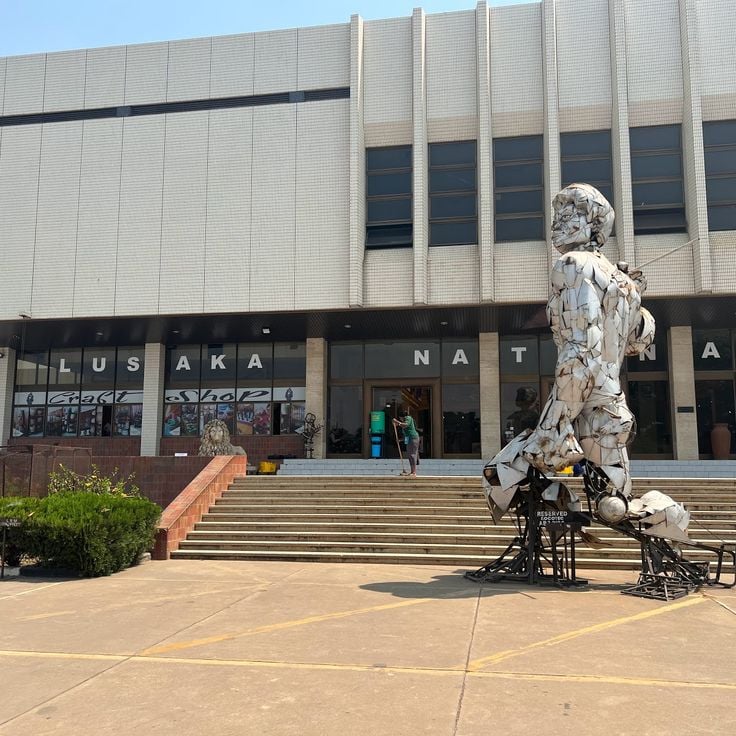
The Lusaka National Museum displays ethnographic artifacts, contemporary artworks, and material culture from various Zambian communities across history. This museum houses exhibitions of traditional crafts and tools that reflect the country's cultural diversity and the ways people have lived throughout different periods.
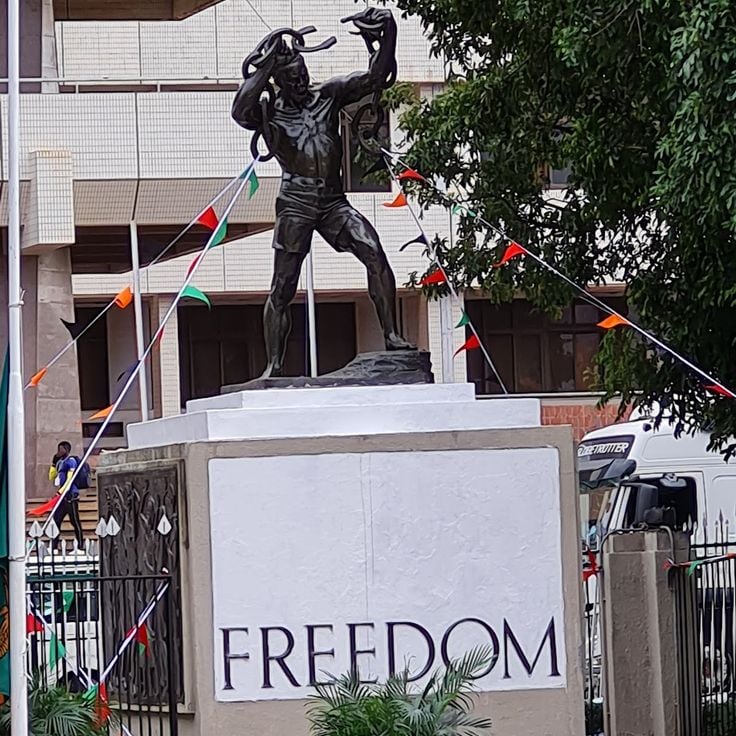
The Freedom Statue is located on Independence Avenue in Lusaka and represents one of Zambia's principal cultural landmarks. This bronze statue depicts a man breaking free from chains and was constructed in 1974 to mark Zambian independence. The monument stands as a symbol of the nation's liberation and serves as an important stop for visitors seeking to understand Zambia's path to freedom.
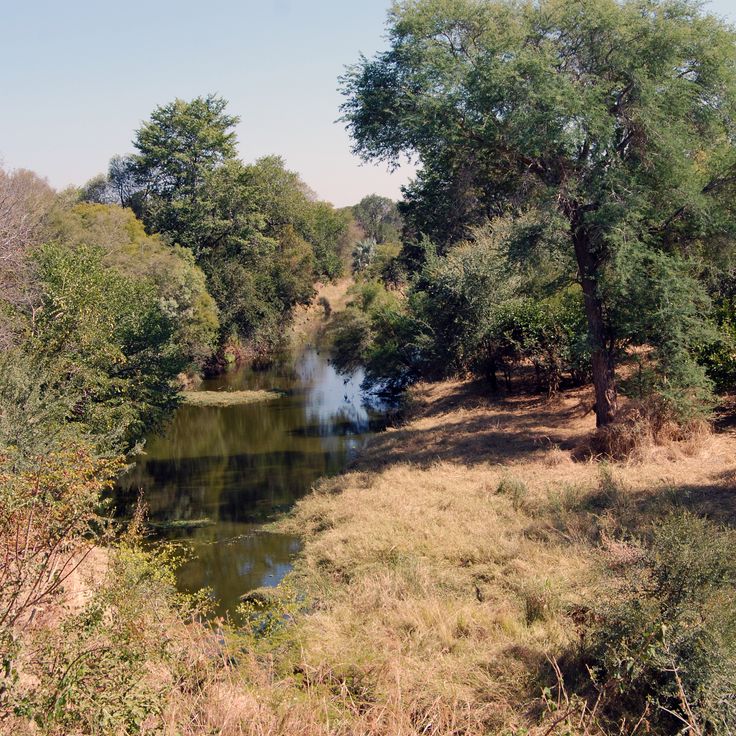
The Zambezi River is the fourth largest river in Africa, flowing for 2700 kilometers across Zambia from northwest to southeast. Home to hippos and crocodiles, the river sustains many fishing villages along its banks. The Zambezi is a key natural feature in this collection of Zambia's principal natural landmarks, supporting both wildlife and the communities that depend on its waters.
Livingstone Island is a small island in the Zambezi River where explorer David Livingstone first saw Victoria Falls. This island is one of Zambia's principal natural attractions and offers visitors the chance to swim in natural pools at the edge of the waterfall. The island tells the story of African exploration and shows why Victoria Falls draws nature lovers from around the world.
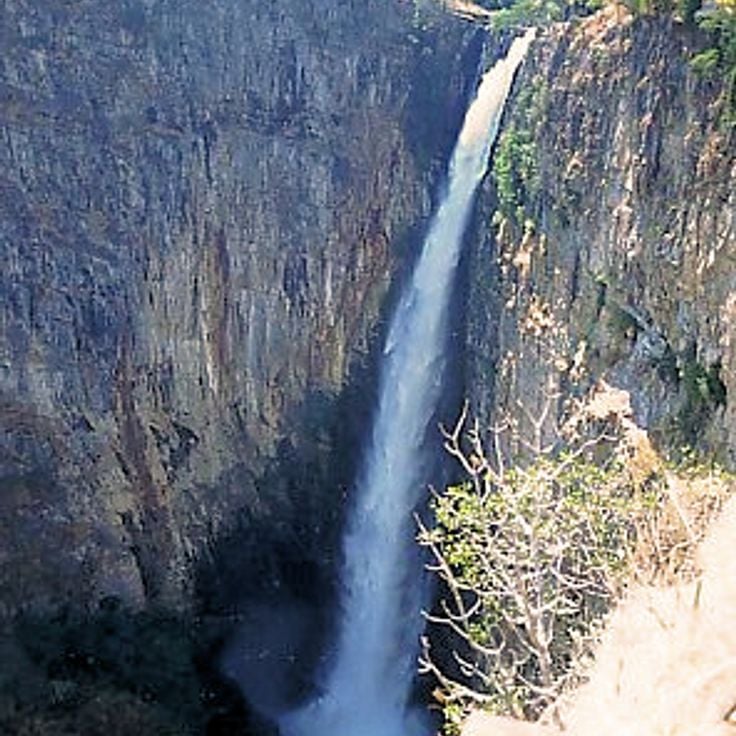
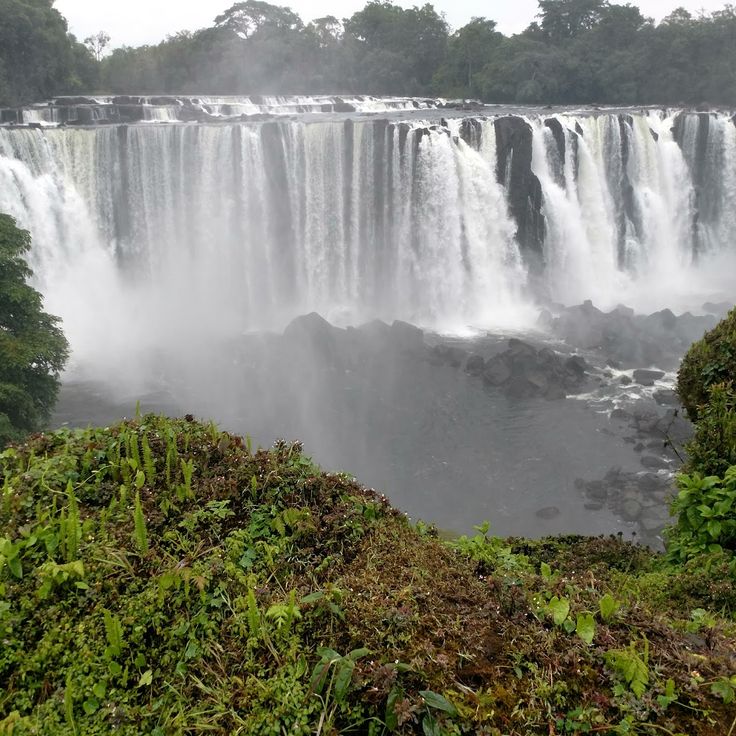
Kalambo Falls is a significant natural landmark in Zambia's Northern Province and ranks among the country's principal attractions. Rising 221 to 235 meters, it stands as Africa's second tallest uninterrupted waterfall. The site holds archaeological importance, with evidence of human activity dating back to around 300,000 BC. This waterfall forms part of the collection of Zambia's major natural and cultural attractions.
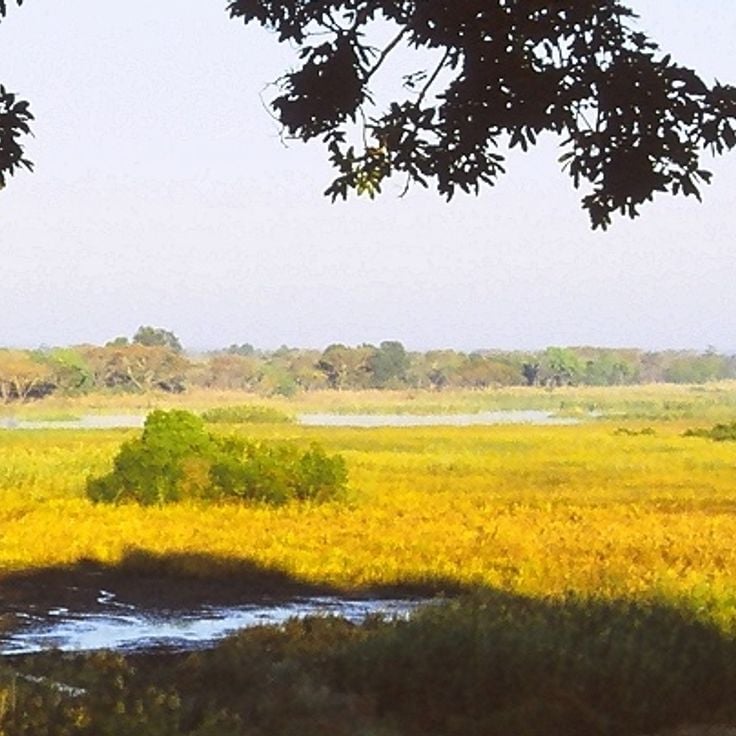
Lake Bangweulu is a large lake in Samfya surrounded by extensive wetlands. The lake is home to diverse bird species, including Shoebill storks. This water body represents one of Zambia's principal natural landmarks, providing critical habitat for wildlife in the region.
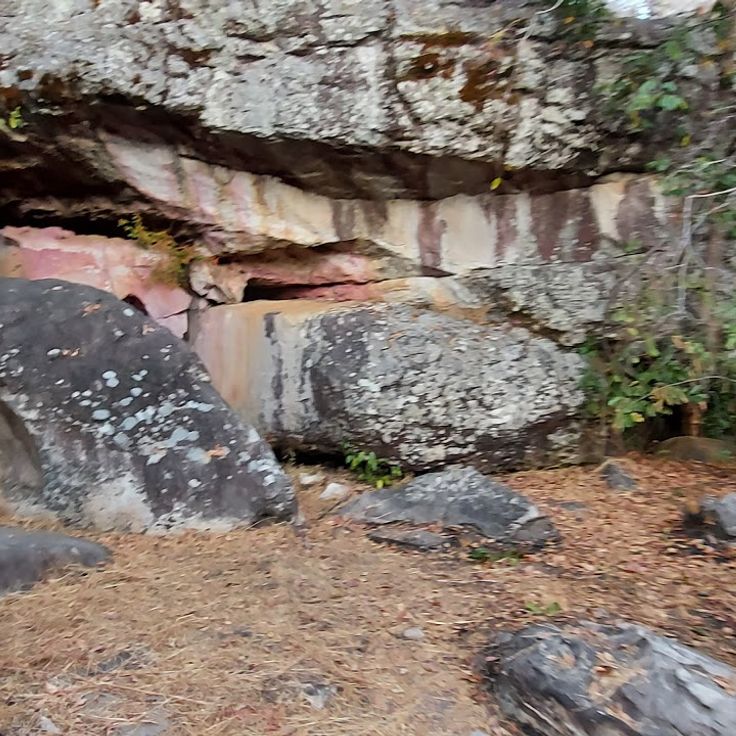
The Twa Rock Paintings are an archaeological site in the Northern Province and one of Zambia's most important cultural sites. Red and black paintings cover granite walls and show humans and animals created thousands of years ago by the Twa people, the region's earliest inhabitants. These paintings offer insight into the life and culture of these early communities and represent some of Zambia's oldest cultural remains.
Lake Kashiba is a deep blue body of water formed in a sinkhole in Copperbelt Province. As part of Zambia's natural attractions, this lake draws visitors with its striking appearance. The water displays an intense blue color shaped by the lake's substantial depth and volume. The lake measures approximately 220 by 160 meters with a depth of around 100 meters. These dimensions make it a notable geological feature in the region.
The Lunsemfwa Wonder Gorge is a 20 kilometer long canyon in Central Province, Zambia, featured in this collection of the nation's principal natural landmarks and cultural sites. The gorge descends to depths of about 500 meters and stretches roughly 1 kilometer across at its widest point. This geological formation offers visitors insight into the natural forces that shaped the landscape of the region, standing alongside other major attractions such as the Victoria Falls and wildlife reserves.
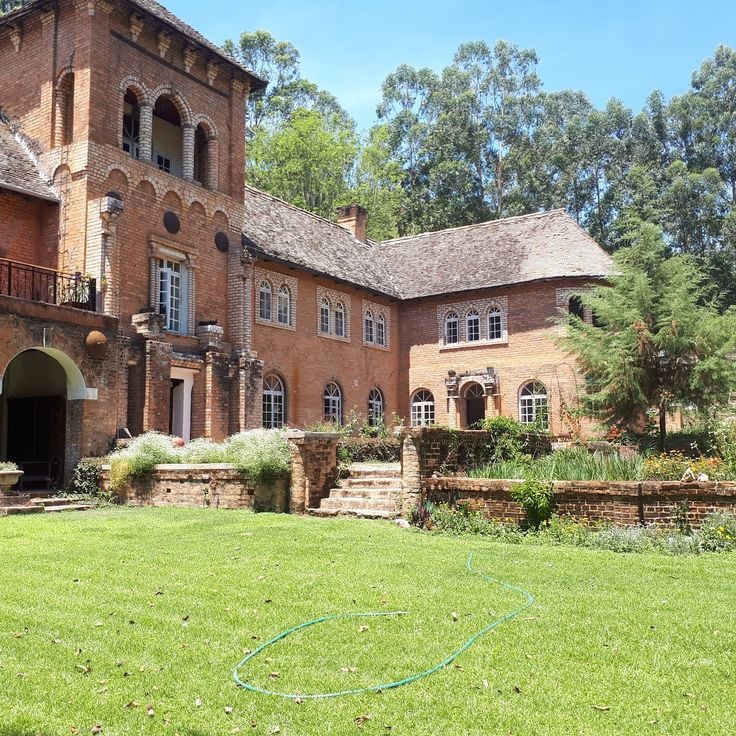
Shiwa Ngandu is an English-style country estate built between the 1920s and 1950s in the Northern Province of Zambia. The property features historic architecture and developed gardens from that era. The building represents a chapter in the region's European settlement history and is maintained as a cultural landmark. As part of Zambia's principal natural and cultural attractions, Shiwa Ngandu offers insight into this distinctive period of local history.
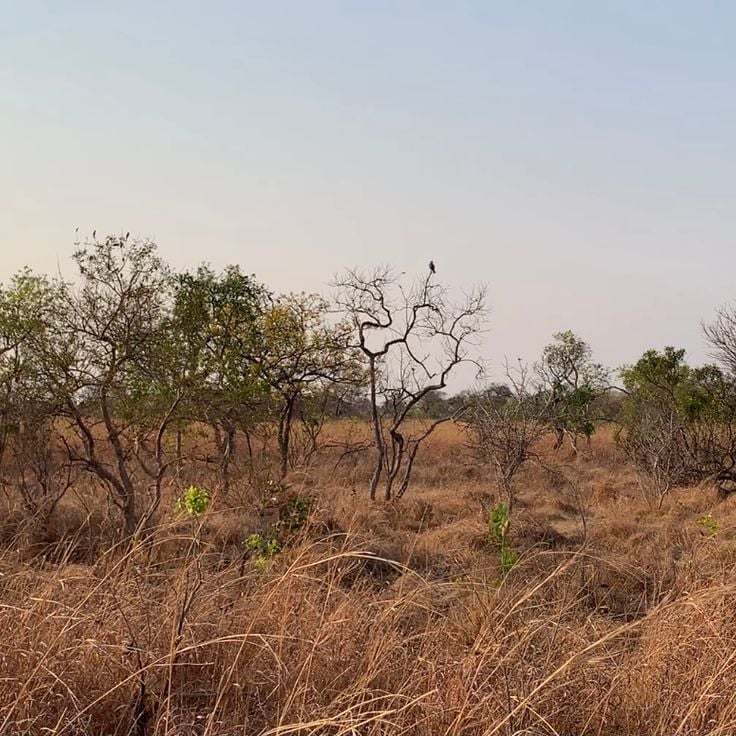
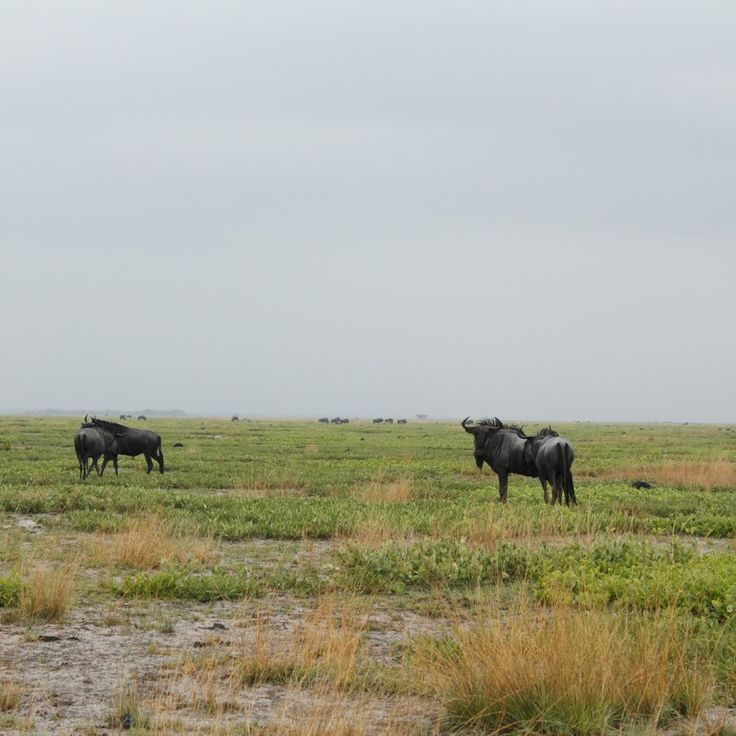
Liuwa Plains National Park in the Western Province is one of Zambia's main natural attractions showcased in this collection. The park hosts the second largest wildebeest migration, where thousands of animals move across the landscape following seasonal patterns. The terrain consists of open grasslands that stretch across vast distances, providing habitat for diverse wildlife. Visitors can see wildebeest, zebras, antelopes, and other large mammals moving through the plains.
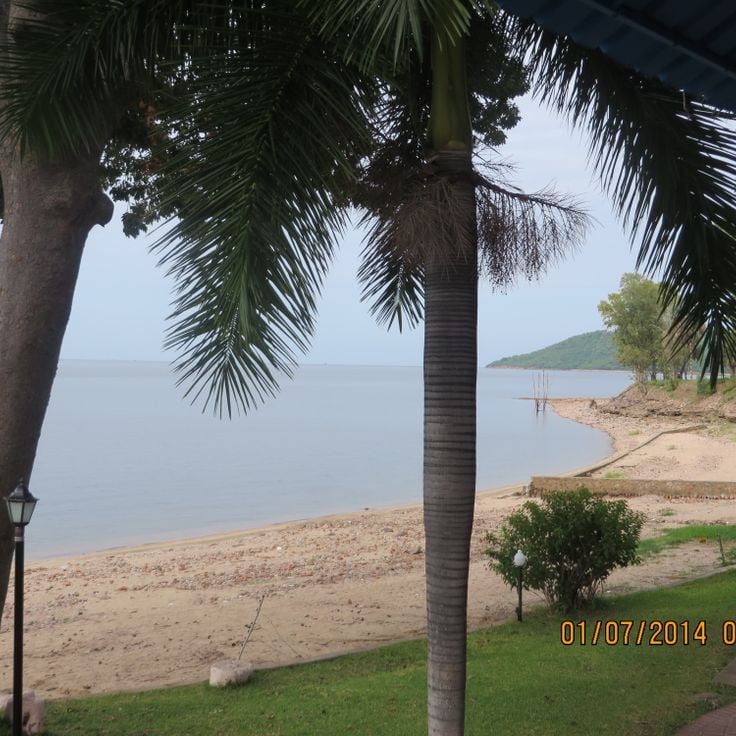
Lake Kariba is the largest man-made reservoir in Zambia and stands as one of the country's principal natural attractions. The lake provides several opportunities for visitors: designated swimming areas where you can cool off in the water, chances to watch wildlife along its shores, and a range of water activities. Located in the Southern Province, this vast body of water has become an important destination for recreation and nature experiences in the region.
North Luangwa National Park is a remote park in northern Zambia and one of the country's principal wildlife reserves featured in this collection. The park is difficult to access and offers visitors walking safaris through wild landscapes where few people venture. Black rhinos are protected here, and their conservation remains a key mission of the park. The challenging roads and limited facilities make this park a destination for travelers seeking genuine wilderness away from developed areas.
The Kingdom of Barotse is a traditional kingdom in Western Province, Zambia. It is known for the Kuomboka ceremony, an annual celebration of the royal household's seasonal move. This ceremony connects historical traditions with the natural rhythms of the region and draws visitors who want to understand the culture and history of this area.
Kasanka National Park is a natural landmark in Zambia's Central Province that draws visitors for its remarkable bat migration. Each year, between August and October, millions of straw-colored fruit bats arrive at the park, creating an unforgettable natural event. The park's trees become filled with these bats, and visitors can observe them from viewing platforms and guided walks. Beyond the bat migration, the park offers opportunities to see other wildlife and explore its varied habitats.
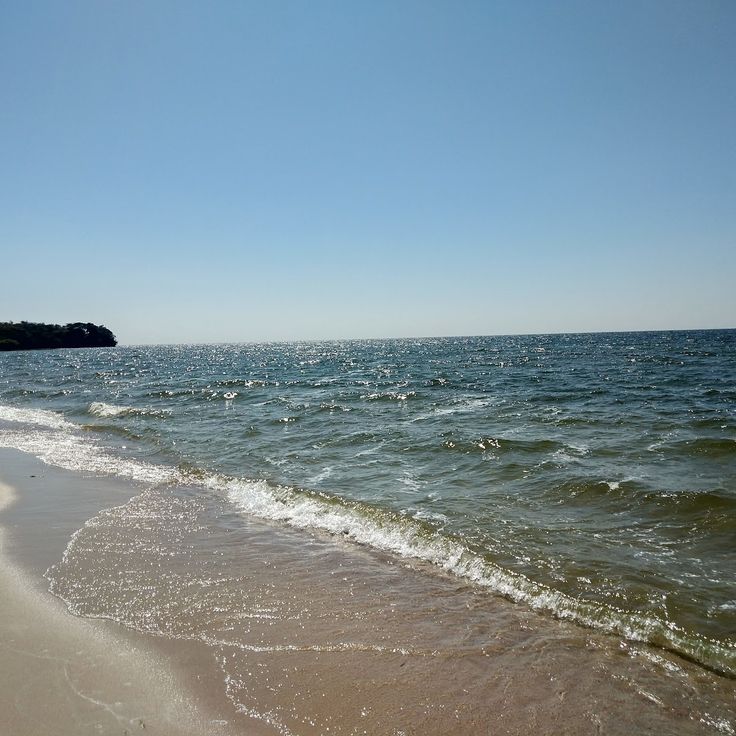
Lake Tanganyika is the second deepest lake in the world and holds more than 350 species of fish found nowhere else. The waters are deep and clear, and on the lake bottom rest shipwrecks from World War I. Visitors come to see the fish diversity and explore the history written on the lake floor. This lake represents one of Zambia's major natural attractions within the Victoria Falls region and wildlife reserves collection.
Devil's Pool is a rock basin at Victoria Falls, part of Zambia's principal natural landmarks in this region. Visitors can swim here from August to January when water levels drop and the basin becomes accessible. The natural water basin is formed by rock formations at the falls and offers an unusual opportunity to be in the water right beside the cascading water.
South Luangwa National Park is a protected area in eastern Zambia where visitors can watch leopards, hippopotamuses, and elephants along the Luangwa River. The park is known for walking safaris through woodlands and savannas, allowing you to experience wildlife up close. This park represents one of Zambia's principal natural attractions and showcases the country's diverse landscape.
The Livingstone Museum in Livingstone houses significant archaeological discoveries and ethnographic objects from the region. The museum preserves personal belongings of explorer David Livingstone and displays exhibits about Zambian independence. As part of Zambia's principal natural and cultural attractions, it helps visitors understand the country's history and the role of European explorers in shaping it.
The Maramba Market is a working open-air market in this collection of Zambia's principal natural and cultural attractions. Located in Livingstone, it serves as a window into daily life where vendors sell fresh produce, textiles, crafts, and household items every day from sunrise to sunset.
Victoria Falls is a waterfall on the Zambezi River located in the Livingstone area and forming the border between Zambia and Zimbabwe. As a major natural landmark in Zambia, it is central to the country's natural attractions. The water drops dramatically down with tremendous force, creating a thick mist visible from considerable distances. The falls attract visitors who come to witness this powerful natural formation.
The Sunday Crafts Market in Livingstone is a weekly outdoor market where local artisans sell wood carvings, textiles, jewelry, and baskets made using traditional methods and materials. As a cultural site within Zambia's principal attractions, this market showcases the regional craftsmanship and offers visitors a direct connection to local artistic traditions and the daily life of the community.
Mukuni Village is a residential settlement of the Leya people featured in this collection of Zambia's principal natural landmarks and cultural sites. Visitors can observe daily activities, witness traditional ceremonies, and learn about local governance systems. The village offers insight into how the Leya community lives and maintains its customs.
Mosi-oa-Tunya National Park is a protected area located near Victoria Falls that is home to white rhinos, zebras, giraffes, and antelopes. The park forms part of Zambia's principal natural landmarks and offers visitors opportunities to see African wildlife in their natural environment.
The Batoka Gorge is a canyon that stretches along the Zambezi River, reaching significant depths between steep rock walls. Located near Victoria Falls, this dramatic landscape offers world-class whitewater rafting and excellent opportunities for observing African fish eagles and other wildlife. The river flows forcefully through the gorge, creating challenging rapids and exhilarating experiences. The towering cliffs rise high above the water, making this a destination for adventure seekers and nature observers who want to witness the power of the river and the surrounding landscape.
Lower Zambezi National Park is a protected area along the northern bank of the Zambezi River and represents one of Zambia's principal natural attractions featured in this collection. The park is home to elephants, leopards, lions, and buffalo living in their natural habitat. Visitors to this park can observe African wildlife in a less crowded setting and experience the landscape shaped by the river.
The Maramba Cultural Center in Livingstone is a performance venue where you can experience Zambian music, dance, and art. This center presents daily shows and workshops about local customs and traditions. As part of Zambia's principal cultural attractions, the center helps visitors understand the living artistic traditions of the region.
Kafue National Park is one of Zambia's principal natural landmarks and covers an extensive area of savannas, woodlands, and rivers. The park is home to lions, leopards, elephants, and around 500 bird species. As part of the country's major wildlife reserves, this park protects diverse habitats and draws visitors seeking to experience Zambia's natural landscapes firsthand.
The Lusaka National Museum displays ethnographic artifacts, contemporary artworks, and material culture from various Zambian communities across history. This museum houses exhibitions of traditional crafts and tools that reflect the country's cultural diversity and the ways people have lived throughout different periods.
The Freedom Statue is located on Independence Avenue in Lusaka and represents one of Zambia's principal cultural landmarks. This bronze statue depicts a man breaking free from chains and was constructed in 1974 to mark Zambian independence. The monument stands as a symbol of the nation's liberation and serves as an important stop for visitors seeking to understand Zambia's path to freedom.
The Zambezi River is the fourth largest river in Africa, flowing for 2700 kilometers across Zambia from northwest to southeast. Home to hippos and crocodiles, the river sustains many fishing villages along its banks. The Zambezi is a key natural feature in this collection of Zambia's principal natural landmarks, supporting both wildlife and the communities that depend on its waters.
Livingstone Island is a small island in the Zambezi River where explorer David Livingstone first saw Victoria Falls. This island is one of Zambia's principal natural attractions and offers visitors the chance to swim in natural pools at the edge of the waterfall. The island tells the story of African exploration and shows why Victoria Falls draws nature lovers from around the world.
Kalambo Falls is a significant natural landmark in Zambia's Northern Province and ranks among the country's principal attractions. Rising 221 to 235 meters, it stands as Africa's second tallest uninterrupted waterfall. The site holds archaeological importance, with evidence of human activity dating back to around 300,000 BC. This waterfall forms part of the collection of Zambia's major natural and cultural attractions.
Lake Bangweulu is a large lake in Samfya surrounded by extensive wetlands. The lake is home to diverse bird species, including Shoebill storks. This water body represents one of Zambia's principal natural landmarks, providing critical habitat for wildlife in the region.
The Twa Rock Paintings are an archaeological site in the Northern Province and one of Zambia's most important cultural sites. Red and black paintings cover granite walls and show humans and animals created thousands of years ago by the Twa people, the region's earliest inhabitants. These paintings offer insight into the life and culture of these early communities and represent some of Zambia's oldest cultural remains.
Lake Kashiba is a deep blue body of water formed in a sinkhole in Copperbelt Province. As part of Zambia's natural attractions, this lake draws visitors with its striking appearance. The water displays an intense blue color shaped by the lake's substantial depth and volume. The lake measures approximately 220 by 160 meters with a depth of around 100 meters. These dimensions make it a notable geological feature in the region.
The Lunsemfwa Wonder Gorge is a 20 kilometer long canyon in Central Province, Zambia, featured in this collection of the nation's principal natural landmarks and cultural sites. The gorge descends to depths of about 500 meters and stretches roughly 1 kilometer across at its widest point. This geological formation offers visitors insight into the natural forces that shaped the landscape of the region, standing alongside other major attractions such as the Victoria Falls and wildlife reserves.
Shiwa Ngandu is an English-style country estate built between the 1920s and 1950s in the Northern Province of Zambia. The property features historic architecture and developed gardens from that era. The building represents a chapter in the region's European settlement history and is maintained as a cultural landmark. As part of Zambia's principal natural and cultural attractions, Shiwa Ngandu offers insight into this distinctive period of local history.
Liuwa Plains National Park in the Western Province is one of Zambia's main natural attractions showcased in this collection. The park hosts the second largest wildebeest migration, where thousands of animals move across the landscape following seasonal patterns. The terrain consists of open grasslands that stretch across vast distances, providing habitat for diverse wildlife. Visitors can see wildebeest, zebras, antelopes, and other large mammals moving through the plains.
Lake Kariba is the largest man-made reservoir in Zambia and stands as one of the country's principal natural attractions. The lake provides several opportunities for visitors: designated swimming areas where you can cool off in the water, chances to watch wildlife along its shores, and a range of water activities. Located in the Southern Province, this vast body of water has become an important destination for recreation and nature experiences in the region.
North Luangwa National Park is a remote park in northern Zambia and one of the country's principal wildlife reserves featured in this collection. The park is difficult to access and offers visitors walking safaris through wild landscapes where few people venture. Black rhinos are protected here, and their conservation remains a key mission of the park. The challenging roads and limited facilities make this park a destination for travelers seeking genuine wilderness away from developed areas.
The Kingdom of Barotse is a traditional kingdom in Western Province, Zambia. It is known for the Kuomboka ceremony, an annual celebration of the royal household's seasonal move. This ceremony connects historical traditions with the natural rhythms of the region and draws visitors who want to understand the culture and history of this area.
Kasanka National Park is a natural landmark in Zambia's Central Province that draws visitors for its remarkable bat migration. Each year, between August and October, millions of straw-colored fruit bats arrive at the park, creating an unforgettable natural event. The park's trees become filled with these bats, and visitors can observe them from viewing platforms and guided walks. Beyond the bat migration, the park offers opportunities to see other wildlife and explore its varied habitats.
Lake Tanganyika is the second deepest lake in the world and holds more than 350 species of fish found nowhere else. The waters are deep and clear, and on the lake bottom rest shipwrecks from World War I. Visitors come to see the fish diversity and explore the history written on the lake floor. This lake represents one of Zambia's major natural attractions within the Victoria Falls region and wildlife reserves collection.
Devil's Pool is a rock basin at Victoria Falls, part of Zambia's principal natural landmarks in this region. Visitors can swim here from August to January when water levels drop and the basin becomes accessible. The natural water basin is formed by rock formations at the falls and offers an unusual opportunity to be in the water right beside the cascading water.
South Luangwa National Park is a protected area in eastern Zambia where visitors can watch leopards, hippopotamuses, and elephants along the Luangwa River. The park is known for walking safaris through woodlands and savannas, allowing you to experience wildlife up close. This park represents one of Zambia's principal natural attractions and showcases the country's diverse landscape.
The Livingstone Museum in Livingstone houses significant archaeological discoveries and ethnographic objects from the region. The museum preserves personal belongings of explorer David Livingstone and displays exhibits about Zambian independence. As part of Zambia's principal natural and cultural attractions, it helps visitors understand the country's history and the role of European explorers in shaping it.
The Maramba Market is a working open-air market in this collection of Zambia's principal natural and cultural attractions. Located in Livingstone, it serves as a window into daily life where vendors sell fresh produce, textiles, crafts, and household items every day from sunrise to sunset.
Victoria Falls is a waterfall on the Zambezi River located in the Livingstone area and forming the border between Zambia and Zimbabwe. As a major natural landmark in Zambia, it is central to the country's natural attractions. The water drops dramatically down with tremendous force, creating a thick mist visible from considerable distances. The falls attract visitors who come to witness this powerful natural formation.
The Sunday Crafts Market in Livingstone is a weekly outdoor market where local artisans sell wood carvings, textiles, jewelry, and baskets made using traditional methods and materials. As a cultural site within Zambia's principal attractions, this market showcases the regional craftsmanship and offers visitors a direct connection to local artistic traditions and the daily life of the community.
Mukuni Village is a residential settlement of the Leya people featured in this collection of Zambia's principal natural landmarks and cultural sites. Visitors can observe daily activities, witness traditional ceremonies, and learn about local governance systems. The village offers insight into how the Leya community lives and maintains its customs.
Mosi-oa-Tunya National Park is a protected area located near Victoria Falls that is home to white rhinos, zebras, giraffes, and antelopes. The park forms part of Zambia's principal natural landmarks and offers visitors opportunities to see African wildlife in their natural environment.
The Batoka Gorge is a canyon that stretches along the Zambezi River, reaching significant depths between steep rock walls. Located near Victoria Falls, this dramatic landscape offers world-class whitewater rafting and excellent opportunities for observing African fish eagles and other wildlife. The river flows forcefully through the gorge, creating challenging rapids and exhilarating experiences. The towering cliffs rise high above the water, making this a destination for adventure seekers and nature observers who want to witness the power of the river and the surrounding landscape.
Lower Zambezi National Park is a protected area along the northern bank of the Zambezi River and represents one of Zambia's principal natural attractions featured in this collection. The park is home to elephants, leopards, lions, and buffalo living in their natural habitat. Visitors to this park can observe African wildlife in a less crowded setting and experience the landscape shaped by the river.
The Maramba Cultural Center in Livingstone is a performance venue where you can experience Zambian music, dance, and art. This center presents daily shows and workshops about local customs and traditions. As part of Zambia's principal cultural attractions, the center helps visitors understand the living artistic traditions of the region.
Kafue National Park is one of Zambia's principal natural landmarks and covers an extensive area of savannas, woodlands, and rivers. The park is home to lions, leopards, elephants, and around 500 bird species. As part of the country's major wildlife reserves, this park protects diverse habitats and draws visitors seeking to experience Zambia's natural landscapes firsthand.
The Lusaka National Museum displays ethnographic artifacts, contemporary artworks, and material culture from various Zambian communities across history. This museum houses exhibitions of traditional crafts and tools that reflect the country's cultural diversity and the ways people have lived throughout different periods.
The Freedom Statue is located on Independence Avenue in Lusaka and represents one of Zambia's principal cultural landmarks. This bronze statue depicts a man breaking free from chains and was constructed in 1974 to mark Zambian independence. The monument stands as a symbol of the nation's liberation and serves as an important stop for visitors seeking to understand Zambia's path to freedom.
The Zambezi River is the fourth largest river in Africa, flowing for 2700 kilometers across Zambia from northwest to southeast. Home to hippos and crocodiles, the river sustains many fishing villages along its banks. The Zambezi is a key natural feature in this collection of Zambia's principal natural landmarks, supporting both wildlife and the communities that depend on its waters.
Livingstone Island is a small island in the Zambezi River where explorer David Livingstone first saw Victoria Falls. This island is one of Zambia's principal natural attractions and offers visitors the chance to swim in natural pools at the edge of the waterfall. The island tells the story of African exploration and shows why Victoria Falls draws nature lovers from around the world.
Kalambo Falls is a significant natural landmark in Zambia's Northern Province and ranks among the country's principal attractions. Rising 221 to 235 meters, it stands as Africa's second tallest uninterrupted waterfall. The site holds archaeological importance, with evidence of human activity dating back to around 300,000 BC. This waterfall forms part of the collection of Zambia's major natural and cultural attractions.
Lake Bangweulu is a large lake in Samfya surrounded by extensive wetlands. The lake is home to diverse bird species, including Shoebill storks. This water body represents one of Zambia's principal natural landmarks, providing critical habitat for wildlife in the region.
The Twa Rock Paintings are an archaeological site in the Northern Province and one of Zambia's most important cultural sites. Red and black paintings cover granite walls and show humans and animals created thousands of years ago by the Twa people, the region's earliest inhabitants. These paintings offer insight into the life and culture of these early communities and represent some of Zambia's oldest cultural remains.
Lake Kashiba is a deep blue body of water formed in a sinkhole in Copperbelt Province. As part of Zambia's natural attractions, this lake draws visitors with its striking appearance. The water displays an intense blue color shaped by the lake's substantial depth and volume. The lake measures approximately 220 by 160 meters with a depth of around 100 meters. These dimensions make it a notable geological feature in the region.
The Lunsemfwa Wonder Gorge is a 20 kilometer long canyon in Central Province, Zambia, featured in this collection of the nation's principal natural landmarks and cultural sites. The gorge descends to depths of about 500 meters and stretches roughly 1 kilometer across at its widest point. This geological formation offers visitors insight into the natural forces that shaped the landscape of the region, standing alongside other major attractions such as the Victoria Falls and wildlife reserves.
Shiwa Ngandu is an English-style country estate built between the 1920s and 1950s in the Northern Province of Zambia. The property features historic architecture and developed gardens from that era. The building represents a chapter in the region's European settlement history and is maintained as a cultural landmark. As part of Zambia's principal natural and cultural attractions, Shiwa Ngandu offers insight into this distinctive period of local history.
Liuwa Plains National Park in the Western Province is one of Zambia's main natural attractions showcased in this collection. The park hosts the second largest wildebeest migration, where thousands of animals move across the landscape following seasonal patterns. The terrain consists of open grasslands that stretch across vast distances, providing habitat for diverse wildlife. Visitors can see wildebeest, zebras, antelopes, and other large mammals moving through the plains.
Lake Kariba is the largest man-made reservoir in Zambia and stands as one of the country's principal natural attractions. The lake provides several opportunities for visitors: designated swimming areas where you can cool off in the water, chances to watch wildlife along its shores, and a range of water activities. Located in the Southern Province, this vast body of water has become an important destination for recreation and nature experiences in the region.
North Luangwa National Park is a remote park in northern Zambia and one of the country's principal wildlife reserves featured in this collection. The park is difficult to access and offers visitors walking safaris through wild landscapes where few people venture. Black rhinos are protected here, and their conservation remains a key mission of the park. The challenging roads and limited facilities make this park a destination for travelers seeking genuine wilderness away from developed areas.
The Kingdom of Barotse is a traditional kingdom in Western Province, Zambia. It is known for the Kuomboka ceremony, an annual celebration of the royal household's seasonal move. This ceremony connects historical traditions with the natural rhythms of the region and draws visitors who want to understand the culture and history of this area.
Kasanka National Park is a natural landmark in Zambia's Central Province that draws visitors for its remarkable bat migration. Each year, between August and October, millions of straw-colored fruit bats arrive at the park, creating an unforgettable natural event. The park's trees become filled with these bats, and visitors can observe them from viewing platforms and guided walks. Beyond the bat migration, the park offers opportunities to see other wildlife and explore its varied habitats.
Lake Tanganyika is the second deepest lake in the world and holds more than 350 species of fish found nowhere else. The waters are deep and clear, and on the lake bottom rest shipwrecks from World War I. Visitors come to see the fish diversity and explore the history written on the lake floor. This lake represents one of Zambia's major natural attractions within the Victoria Falls region and wildlife reserves collection.