Barotse Floodplain, Wetland in Mongu District, Zambia
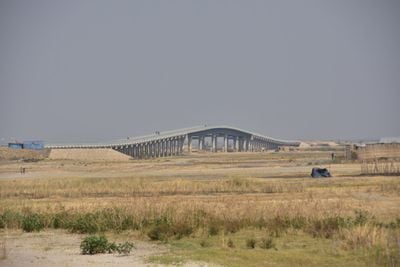
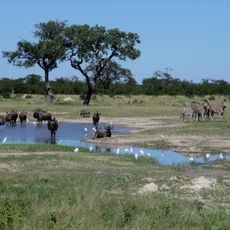
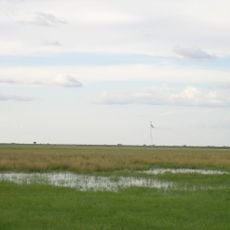
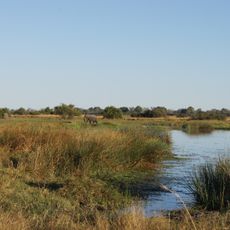
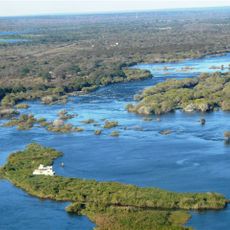
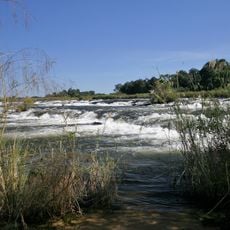
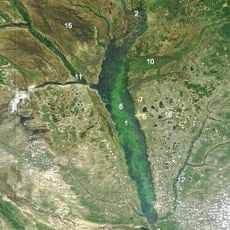
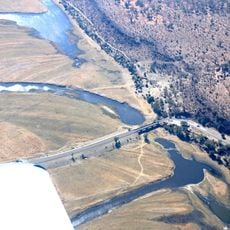
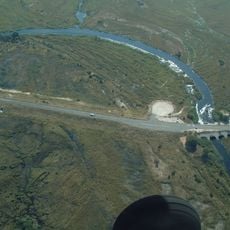
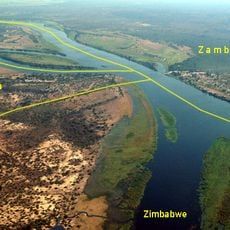
The Barotse Floodplain is a flat plateau at about 1,000 m elevation on the Zambezi in Zambia's Western Province, stretching from the Kabompo and Lungwebungu confluence south past Senanga. It is over 30 km wide along most of its length and reaches 50 km just north of Mongu. The main plain covers about 5,500 km², but the maximum flooded area reaches 10,750 km² when tributary flats such as the Luena are included.
The name Barotse derives from "Rotse", a variant of Lozi, with "Ba" meaning people. Under Litunga Lewanika the Lozi kingdom, called Barotseland, extended up to 300 km from the plain. Lewanika also established the Liuwa Plain, once his hunting grounds, as a game reserve in the 19th century.
The name Barotse derives from "Rotse", a variant of Lozi, with "Ba" meaning "people". The Lozi are skilled boat-builders, paddlers and swimmers, and the annual migration with the flood is celebrated in the Kuomboka ceremony held at Mongu, capital of Barotseland and its successor, the Western Province.
Plan your visit around the water levels, as rainy season floods can make some areas unreachable while drier months offer easier access. Checking local conditions before you go helps you understand what parts of the floodplain you can explore.
The floodplain's name comes from "Rotse", a variant of Lozi, and "Ba", meaning people. The plain is also called Lyondo, Ngulu or Bulozi. The Lozi catch and eat about five times as much fish as the national average, using traps and spears at the height of the flood and gill nets in the lagoons left behind as the water falls.
The community of curious travelers
AroundUs brings together thousands of curated places, local tips, and hidden gems, enriched daily by 94,805 contributors worldwide.