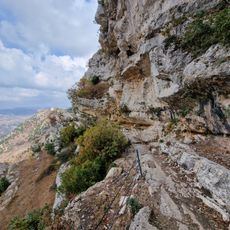
Fortress of Niha, Medieval fortress in Niha Chouf, Lebanon
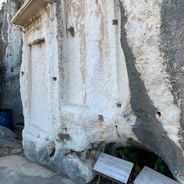
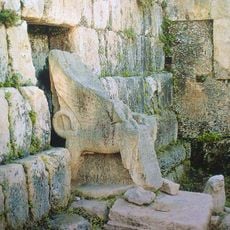
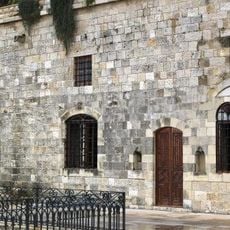
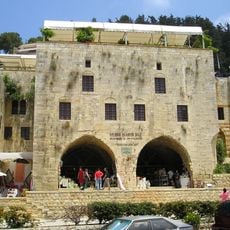
The Fortress of Niha is a medieval stronghold built into the mountain between Sidon and Beqaa Valley, stretching more than 100 meters (330 feet) into a cliff face. The structure consists of multiple chambers carved directly into the rock, with sections added and modified by successive rulers over many centuries.
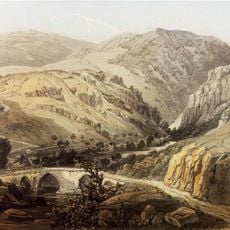
The Fortress of Niha is first recorded in 975 AD and again in 1133. In 1134 Shams al-Muluk Isma'il of Damascus took it; Saladin seized it in 1165, the Crusaders retook it in 1182, and King al-Salih Isma'il recovered it in 1238. Shihab al-Din ibn Buhtur destroyed it in 1261, and in 1270 the Mamluk leader Baibars ordered it rebuilt. From 1516 it passed to Ottoman control and the emirs of Mount Lebanon.
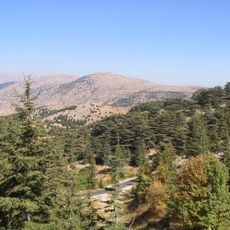
Local tradition links the name Shqif Tayroun, used in Arabic sources, to the Frankish "Cave of Tyron". The site lies in Niha Chouf inside the Shouf Cedar Nature Reserve, about 33 km from Beirut, and is visited as Lebanese cultural heritage. Its seven rock-cut wells, each up to ten metres deep, once channelled water from Ain el-Halquoum spring, roughly a kilometre away.
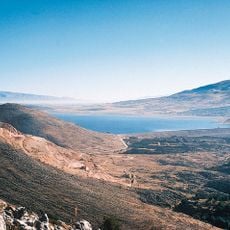
The fortress sits at 1,155 meters (3,790 feet) elevation high in the mountains between Sidon and Beqaa Valley, and welcomes visitors exploring medieval military architecture. The site requires proper footwear and reasonable fitness, as paths involve climbing over rocks and moving through narrow underground passages.
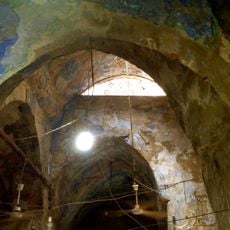
The structure cleverly integrates natural caves with hand-carved chambers, allowing medieval builders to maximize defensive capability while minimizing construction work. This adaptation shows how skillfully the mountain itself became part of the fortress design.
The community of curious travelers
AroundUs brings together thousands of curated places, local tips, and hidden gems, enriched daily by 93,900 contributors worldwide.