Beiteddine Palace, Palace in Beit ed-Dine, Lebanon
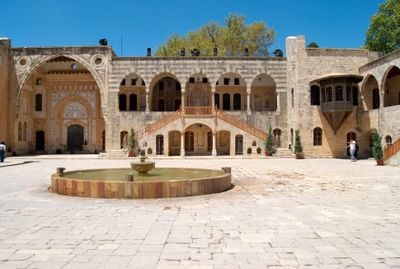
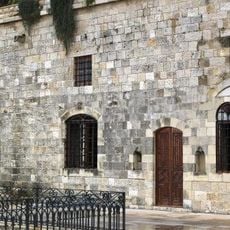
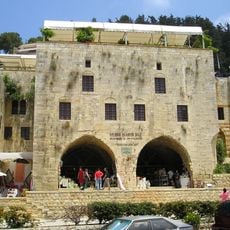
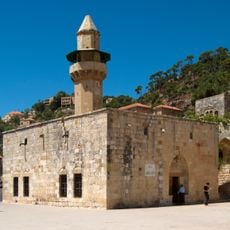
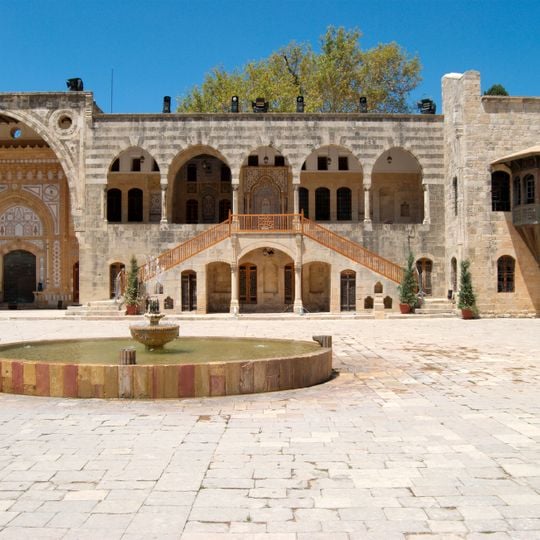
Beiteddine Palace is an early 19th-century Lebanese palace built by Emir Bashir II, with Italian influences. Its main entrance opens onto a 107x45 metre courtyard; the two-storey Al-Madafa wing runs along the right side. A double stairway at the western end leads into Dar El Wousta, whose arcades, mandaloun balconies and rooms with carved, painted cedar wood and Arabic calligraphy face the inner court. Beyond lies Dar el Harim, the private apartments.
Emir Bashir II of the Shihab dynasty built the palace between 1788 and 1818 on the site of a Druze hermitage, moving the emirate's capital here from Deir al-Qamar. After his exile to Istanbul in 1840 the emirate was abolished and the building passed to Ottoman governors, then to the mutasarrifs of Mount Lebanon (1860–1915) and to French mandatory authorities. In 1943 it became the president's summer residence.
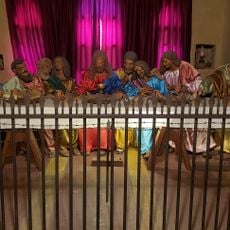
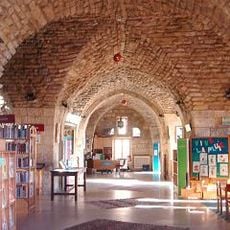
The palace hosts the annual Beiteddine Festival and the Beiteddine Palace Museum, whose collections cover the Druze era and palace relics. Its name, Qasr Bayt ad-Din, is the palace of the house of religion, after the Druze hermitage that stood on the site. Rooms of Dar El Wousta carry carved and painted cedar wood with Arabic calligraphy.
Visiting works best during daytime when natural light highlights the decoration details throughout the spaces. Some rooms are accessible while others may have restrictions, so exploring the open sections at your own pace is worthwhile.
The palace was built on the site of a Druze hermitage, and Emir Bashir II was later buried beside his first wife in a shaded tomb beyond the hammam at the northern edge of the Dar el Harim apartments. UNESCO granted the palace enhanced protection in 2024, one of 34 cultural sites in Lebanon to receive it.
The community of curious travelers
AroundUs brings together thousands of curated places, local tips, and hidden gems, enriched daily by 94,050 contributors worldwide.