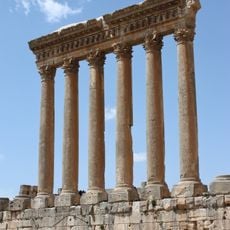
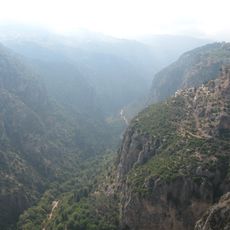
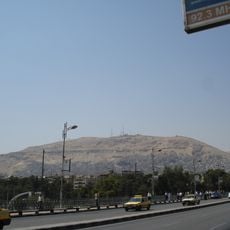
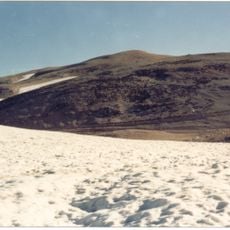
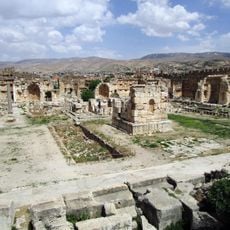
Anti-Lebanon mountains, Mountain range in Syria and Lebanon.
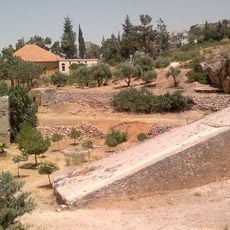
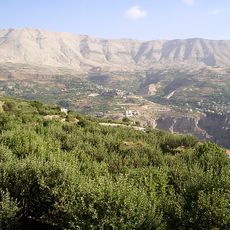
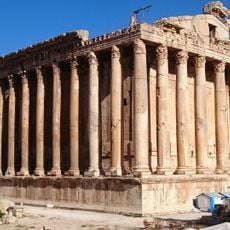
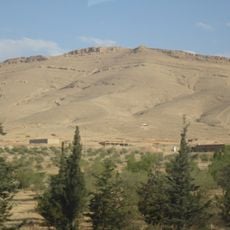
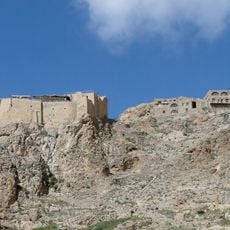
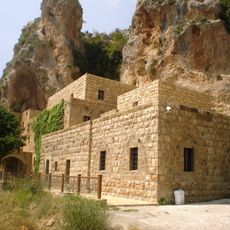
The Anti-Lebanon mountains form a long ridge stretching across the Syria-Lebanon border, rising prominently above the surrounding terrain. This range creates a natural boundary between the two nations and displays varied landscapes across its slopes.
The mountains formed through geological processes that shaped this border region over millennia. Their parallel position to the Lebanon range influenced how ancient peoples understood and named this geographic feature.
The Arabic name Jibal Lubnan ash-Sharqiyyah means "eastern mountains of Lebanon", and the Western name comes from the Greek Antilibanus, "opposite Lebanon", for its position facing Mount Lebanon across the Beqaa Valley. The name Lebanon itself goes back to the Semitic root lbn, "white", referring to the pale limestone or the snow. Nomadic grazing by sheep and goats remains the main form of economy.
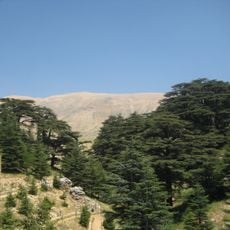
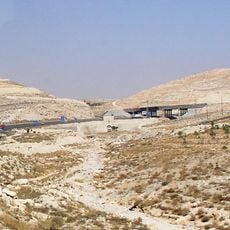
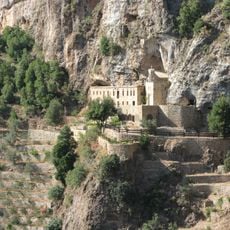
The western slopes support forests with cedar, fir, and juniper trees that give the area a green cover. The eastern sides experience drier conditions and more open terrain, which affects what visitors will see depending on which slope they explore.
The range's crest carries most of the Lebanon-Syria border, and a smuggling route crosses it. Its name comes from Greek Antilibanus, 'opposite Lebanon', while Arabic calls it the eastern mountains of Lebanon. Four plants bear the range's name, among them Iris antilibanotica and Euphorbia antilibanotica.
The community of curious travelers
AroundUs brings together thousands of curated places, local tips, and hidden gems, enriched daily by 93,470 contributors worldwide.