Byblos Castle, Castle museum in Byblos, Lebanon
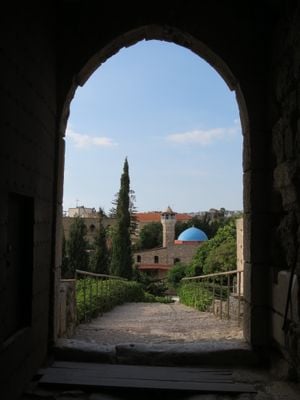
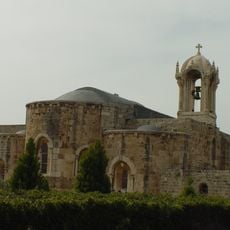
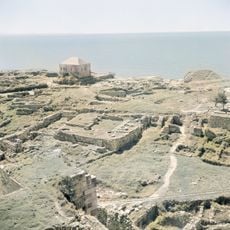
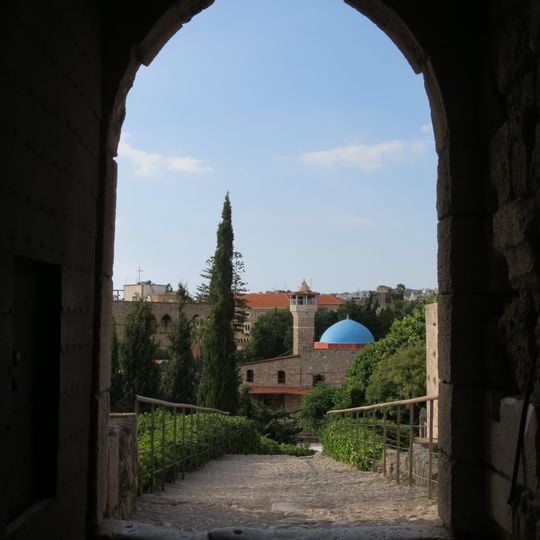
Byblos Castle is a stone fortress in this coastal city featuring thick defensive walls, towers, and a central keep that overlooks the Mediterranean. The structure displays architectural elements from multiple building periods, visible in the varying stonework and construction methods throughout the site.
The Crusaders built the castle in the 12th century from local limestone and reused Roman remains, surrounding it with a moat. It belonged to the Genoese Embriaco family, Lords of Gibelet from 1100 to the late 13th century. Saladin captured it in 1188 and partly dismantled the walls in 1190; the Crusaders retook Byblos and rebuilt the fortifications in 1197. In 1369 it resisted an attack by Cypriot vessels from Famagusta.
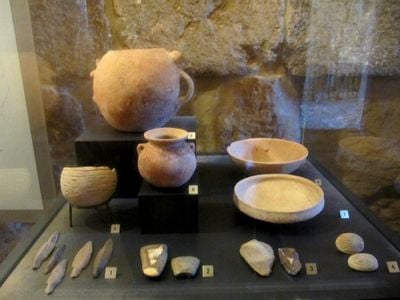
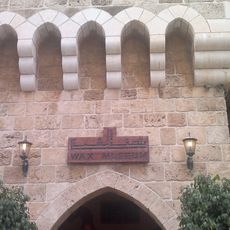
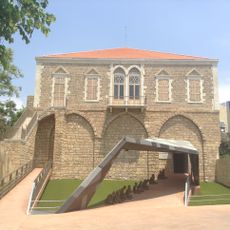
The castle houses the Byblos site museum, where pottery jars, shallow clay bowls and flaked stone tools from the excavations of the archaeological preserve are displayed in cases against the rough stone walls. Thematic panels trace the town's history from prehistory to the medieval period. The most important finds are kept in the National Museum of Beirut.
The site is walkable but has stairs and uneven surfaces, so sturdy shoes are recommended. Visit early in the morning or late afternoon for the most comfortable experience and better views from the elevated positions.
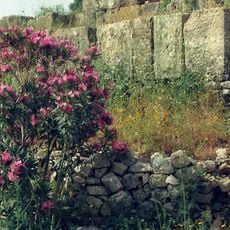
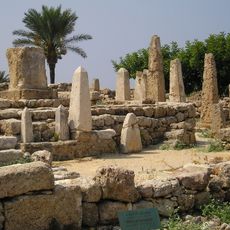
Roman columns and stones from earlier buildings are incorporated into the fortress walls, showing how successive occupiers reused earlier structures. These layers of material from different periods tell the story of generations building upon the same foundations.
The community of curious travelers
AroundUs brings together thousands of curated places, local tips, and hidden gems, enriched daily by 93,468 contributors worldwide.