Atlas Mountains, Mountain range in northwestern Africa.
The range crosses large parts of Morocco, Algeria, and Tunisia, separating coastal zones near the Mediterranean from desert plains further south. The chains run mostly southwest to northeast and divide into several sections with varying climate and plant cover.
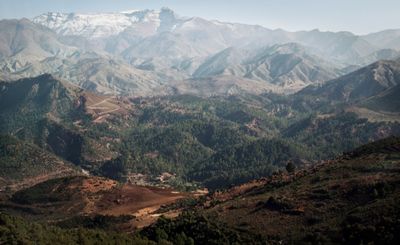
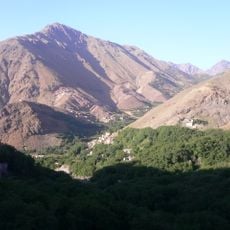
The chains formed in multiple phases, with tectonic shifts around 66 million years ago creating the most pronounced shapes. Later, erosion carved deep valleys and steep ridges that define the landscape today.
In many valleys, inhabitants speak Tamazight and follow customs shaped over centuries, tending terraced plots and cultivating walnut trees. Villages built from rammed earth blend into the reddish slopes, following a building style that uses material gathered from the immediate surroundings.
Most routes work well for walks in early autumn, when temperatures stay moderate and many streams still carry water. Away from main paths, trail markers can be sparse, so hiring a local guide often helps.
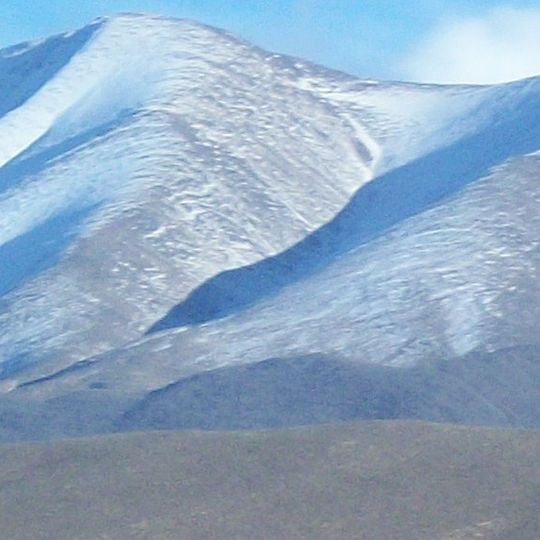
Some peaks in the western part carry snow in winter, even though they stand only a few hundred kilometers from the Sahara. This combination allows visitors to experience alpine ridges and desert-edge valleys on the same day.
The community of curious travelers
AroundUs brings together thousands of curated places, local tips, and hidden gems, enriched daily by 92,244 contributors worldwide.