Kokang, Historical region in northern Shan State, Myanmar
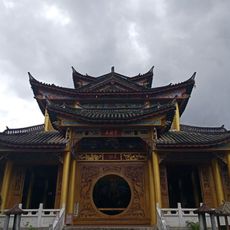
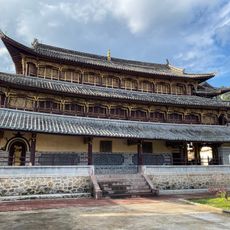
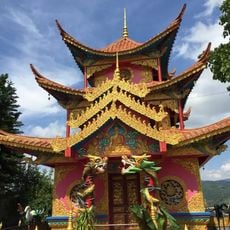
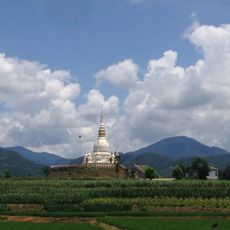
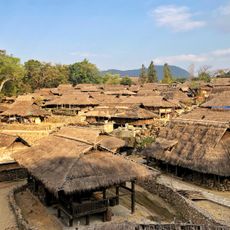
Kokang is a historical region in northern Shan State, Myanmar, stretching along the Salween River on the border with China's Yunnan Province. The area encompasses mountain landscapes and river valleys that connect two main townships and several smaller settlements.
The Yang family from Nanjing, supporters of the Ming dynasty, ruled the area from the 17th century as vassals of the Qing emperors. In 1897, China ceded the territory by treaty to British Burma, ending two centuries of Chinese overlordship.
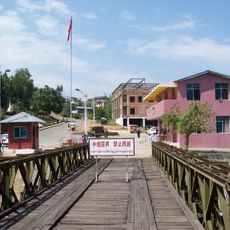
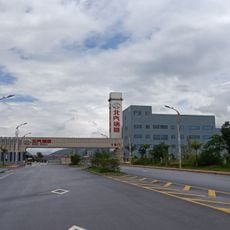
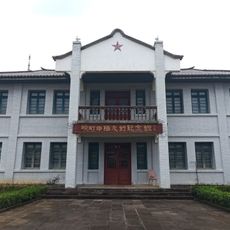
Most residents speak Mandarin and use Chinese script in daily life, while public signs often appear in two languages. Markets and shops follow Chinese trading customs, and traditional festivals align with the Chinese lunar calendar.
The region divides into the townships of Konkyan and Laukkaing, along with smaller administrative areas such as Chinshwehaw and Mawhtike. Travelers should be aware that security conditions may change, and local guidance should be followed.
Since 2003, a complete ban on poppy cultivation has been in place, after generations of farmers relied on it as a main source of income. Growers shifted to alternative crops such as tea and sugarcane, fundamentally changing rural livelihoods.
The community of curious travelers
AroundUs brings together thousands of curated places, local tips, and hidden gems, enriched daily by 92,368 contributors worldwide.