Menghuan Pagoda, Buddhist pagoda in Menghuan Subdistrict, Mangshi City, China
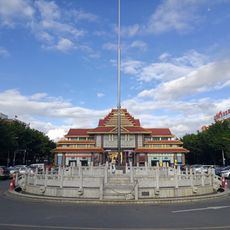
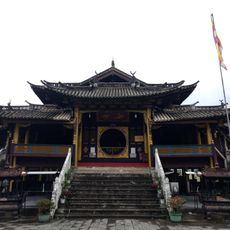
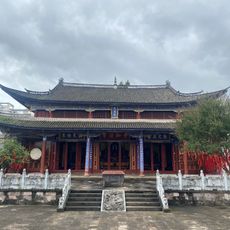
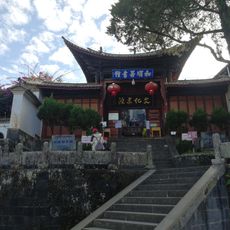
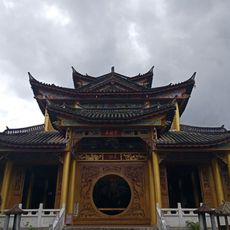
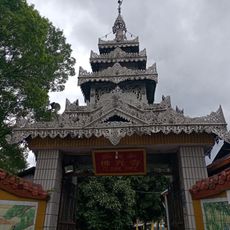
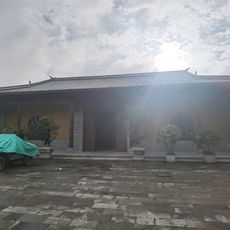
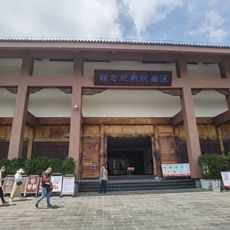
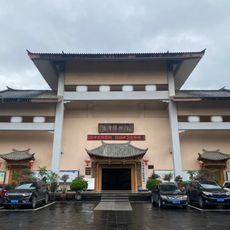
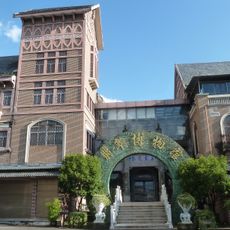
Menghuan Pagoda is a multi-tiered structure displaying traditional Chinese architectural elements with ornate decorative details throughout its form. The building showcases the classic design features typical of Buddhist temples in this region.
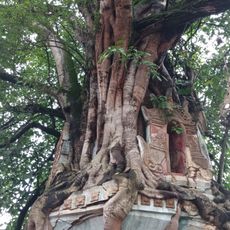
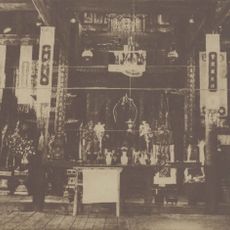
The original pagoda stood in downtown Mangshi until it was destroyed during the Second Sino-Japanese War. In 2003 the Luxi Buddhist Association proposed merging its reconstruction with that of the Leiyarangshan pagoda, destroyed in 1966; work began on Leiyarangshan on 30 June 2004. Relics were enshrined on 12 May 2006, and the completed pagoda was consecrated on 1 May 2007 with a crowning ceremony and the planting of a bodhi tree.
The pagoda honours deities from three Buddhist traditions: Shakyamuni, Guanyin, Maitreya, Bhaisajyaguru and the Four Heavenly Kings are all enshrined here, reflecting Theravada, Han and Tibetan Buddhism together. Its May 2007 consecration included a crowning and eye-opening ceremony and the planting of a bodhi tree.
The pagoda stands on Leiyarang Mountain, reached by road from Mangshi's Menghuan Subdistrict; the 73-metre tower and 50-metre base are visible from much of the city, so the climb is short but the site is exposed. The 2007 inauguration included planting a bodhi tree, and the grounds around the stupa are open for walking.
The pagoda enshrines deities from three Buddhist traditions: Shakyamuni, Guanyin, Maitreya, Bhaisajyaguru and the Four Heavenly Kings. It was rebuilt by combining the original Menghuan pagoda, destroyed in the Sino-Japanese War, with the Leiyarangshan pagoda destroyed in 1966; reconstruction began on 30 June 2004.
The community of curious travelers
AroundUs brings together thousands of curated places, local tips, and hidden gems, enriched daily by 93,846 contributors worldwide.