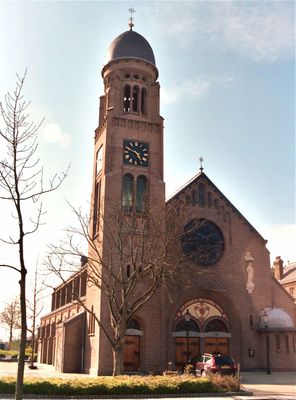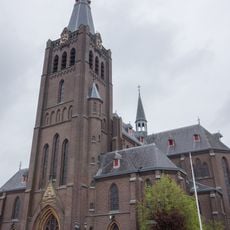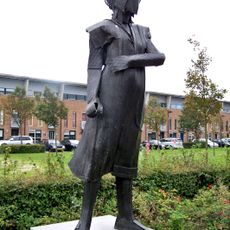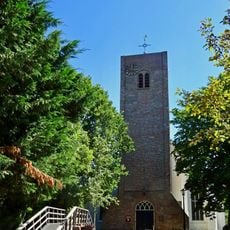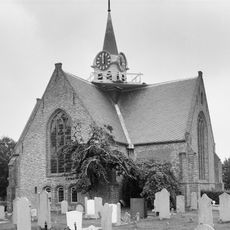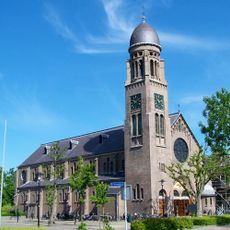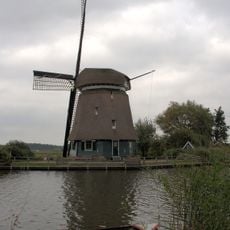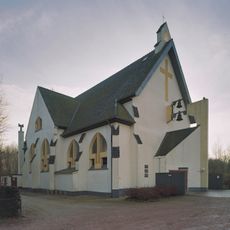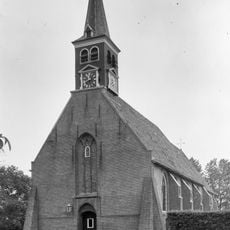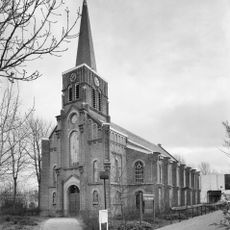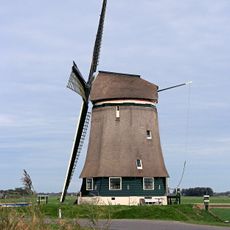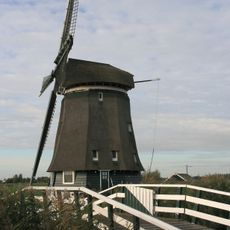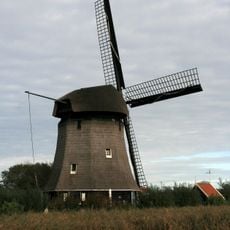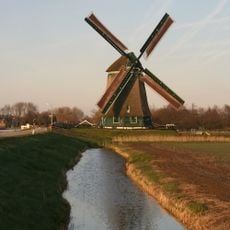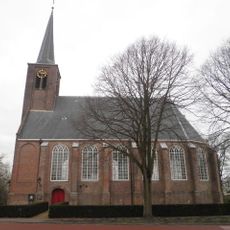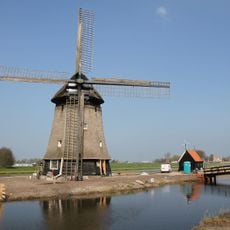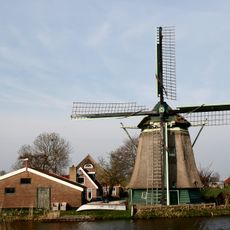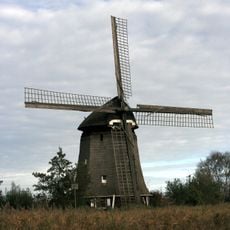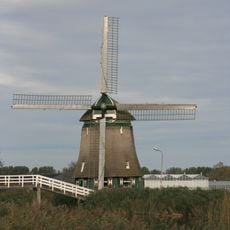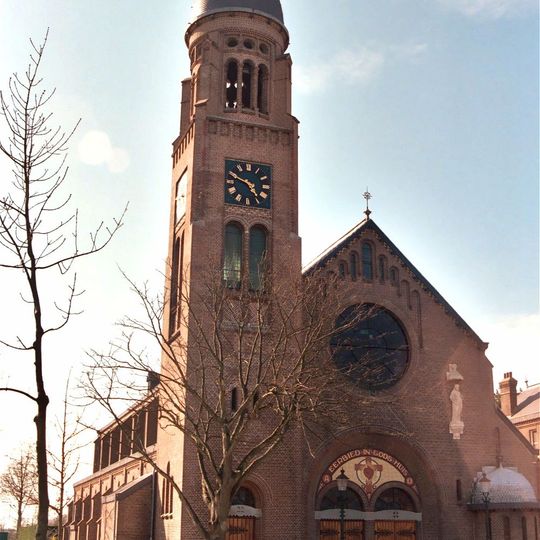
Heerhugowaard, Polder town in North Holland, Netherlands.
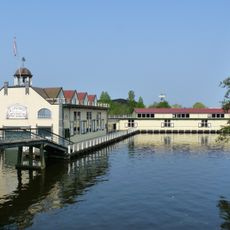
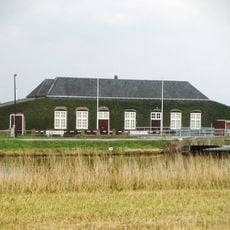
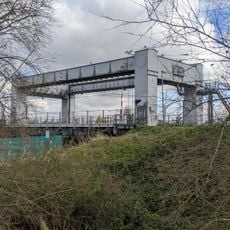
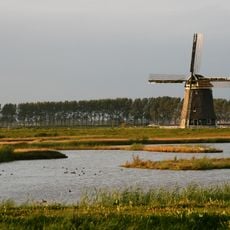
Heerhugowaard is a town built on reclaimed polder land in the West Friesland region of North Holland. The entire municipality lies flat, crossed by a network of canals and waterways that regulate water levels.
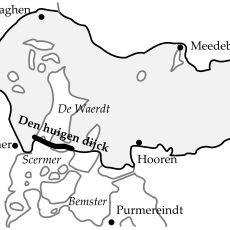
In the 17th century, private investors began draining local lakes and converted them into farmable fields. This newly created landscape was divided among the investors in 1630, establishing the foundation for later urban development.
The town grew from water management and land reclamation, values that remain central to how residents think about their environment today. The flat landscape and regular canal patterns reflect this practical heritage in everyday life.
The town center with shops and services is logically laid out in the middle district. Visitors can explore the area easily on foot or by bicycle, since the flat terrain and minimal elevation changes make this convenient.
The town grew from a small agricultural settlement into a modern municipality, with most of its expansion occurring after the 1970s. This rapid development makes it a case study in 20th century Dutch urban planning and expansion.
The community of curious travelers
AroundUs brings together thousands of curated places, local tips, and hidden gems, enriched daily by 92,085 contributors worldwide.